In a move that has stunned both cricket fans and global investors, Rajasthan Royals have reportedly declined a staggering $1.7 billion (₹16,000 crore) acquisition offer from the CPCP consortium ahead of the Indian Premier League 2026. The decision signals not just confidence—but a recalibration of how IPL franchises see their future value.
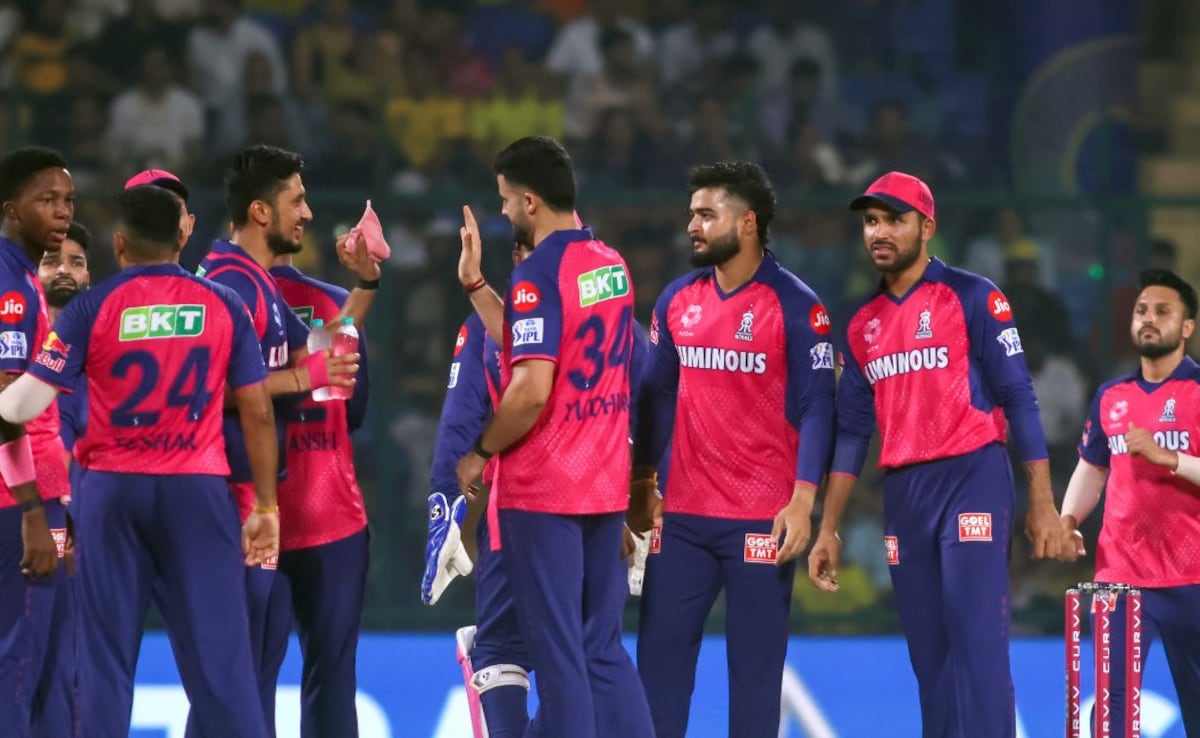
Credits: NDTV Sports
A Billion-Dollar Bid Turned Down
The offer came from Columbia Pacific Capital Partners (CPCP), a North America-based investment firm led by Nisha Sachdeva and Debjeet Gupta. The consortium reportedly proposed an aggressive timeline, aiming to close the deal within just two weeks—highlighting both urgency and conviction.
Yet, despite the eye-catching valuation, the Rajasthan Royals board chose to walk away.
This wasn’t a rejection driven by price alone. Instead, it reflected deeper considerations—ranging from deal structure and long-term strategic fit to execution risks. In today’s evolving sports investment landscape, these factors often outweigh even billion-dollar cheques.
More Than Just a Cricket Team
Owned primarily by Manoj Badale’s Emerging Media Ventures (holding a 65% stake), along with minority investor RedBird Capital Partners, Rajasthan Royals are no longer just a cricket franchise—they’re a global sports asset.
And that distinction matters.
The IPL has transformed into one of the most lucrative sporting leagues globally on a per-match basis. With booming media rights, digital streaming growth, and international expansion possibilities, franchises today are valued more like Premier League football clubs or NBA teams than traditional cricket outfits.
By rejecting this bid, RR’s ownership is effectively saying: the current valuation doesn’t fully capture future potential.
Strategic Play or Waiting Game?
Turning down such a massive offer is a statement of intent. It suggests that Rajasthan Royals believe their valuation ceiling is still far from being reached.
There are a few possible signals here:
-
Holding out for a higher premium: With increasing investor interest, RR may expect even bigger bids down the line.
-
Control over ownership structure: Quick deals often come with compromises on governance and long-term direction.
-
Confidence in IPL’s growth trajectory: As the league expands globally, franchise values are expected to rise sharply.
In essence, RR aren’t just selling a team—they’re evaluating a long-term strategic partnership.
Ripple Effects Across the IPL
This decision isn’t happening in isolation—it could reshape how every IPL franchise is valued.
Take Royal Challengers Bengaluru, for instance. With one of the largest fan bases in world cricket and immense commercial appeal, RCB is already considered one of the most valuable IPL brands.
Following RR’s rejection, market estimates suggest that RCB’s valuation could climb at least 15% higher. The logic is simple: if a relatively smaller-market team like RR can command (and reject) $1.7 billion, a powerhouse like RCB could demand significantly more.
This sets a new benchmark—and possibly sparks a valuation arms race among franchises.
The Bigger Picture: IPL as a Global Asset Class
What we’re witnessing is the IPL’s evolution into a full-fledged global sports investment ecosystem.
Franchises are no longer just competing on the field—they’re competing for:
-
Global capital
-
Media dominance
-
Brand partnerships
-
Cross-border expansion opportunities
Private equity firms, sovereign funds, and multinational corporations are increasingly eyeing IPL teams as long-term assets with predictable revenue streams and massive fan engagement.
Even reports of interest from global industrial giants like ArcelorMittal underline how diverse the investor pool has become.

Credits: Hindustan Times
Final Word: A Power Shift in Valuations
Rajasthan Royals’ decision to reject a $1.7 billion offer is more than just a headline—it’s a signal.
A signal that IPL franchises now hold negotiating power.
A signal that valuations are still climbing.
And most importantly, a signal that cricket, once seen as a regional sport, has firmly entered the global big-league business arena.
As the IPL 2026 season approaches, one thing is clear: the real competition isn’t just on the pitch anymore—it’s in boardrooms, balance sheets, and billion-dollar deals.