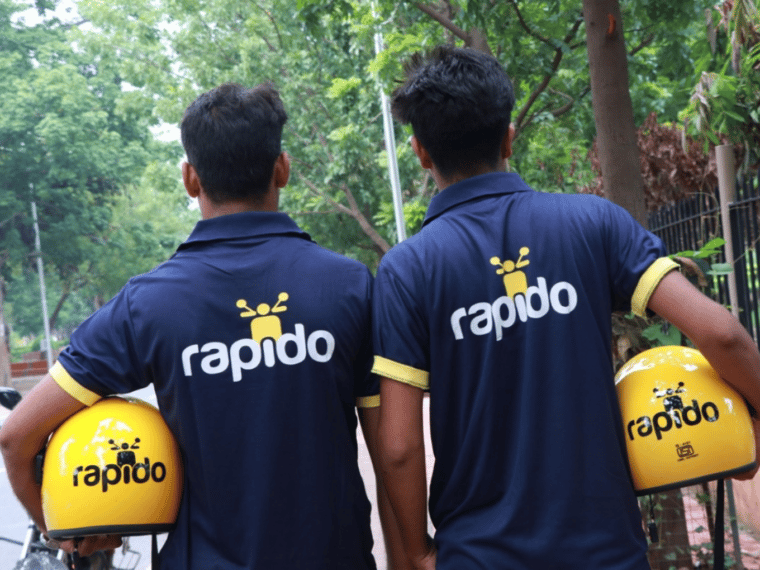
India’s bike taxi and auto aggregator Rapido has found itself in hot water. The Central Consumer Protection Authority (CCPA) has fined its parent company, Roppen Transportation Services Pvt. Ltd., ₹10 lakh for misleading advertisements and unfair trade practices. The regulator’s order, issued on Wednesday, highlights how Rapido’s claims of “Guaranteed Auto” and “Auto in 5 min or get ₹50” violated consumer protection laws.
In this article, we’ll break down the allegations, the evidence, consumer complaints, and what this penalty means for Rapido and its millions of users.
)
Credits: Business Standard
The Promise: “Auto in 5 Minutes or Get ₹50”
Rapido had run widespread advertisements across YouTube, Facebook, and other official platforms, promoting offers such as:
-
“Guaranteed Auto”
-
“Auto in 5 min or get ₹50”
At first glance, these promises gave consumers the impression of a highly reliable service and tangible compensation if the company failed to deliver. However, as the CCPA noted, the fine print told a very different story.
Instead of a direct ₹50 cashback, consumers received in-app tokens valid only for seven days, redeemable only against bike rides—not auto rides. This undisclosed condition, the authority said, “diminished the true worth of the promised ₹50” and pushed users into repeat engagement under restrictive terms.
Why the Ads Were Deemed Misleading
The CCPA’s order classified Rapido’s advertisements as both “misleading advertisements” under Section 2(28) and “unfair trade practices” under Section 2(47) of the Consumer Protection Act, 2019.
The authority argued that:
-
Rapido overstated its reliability by suggesting guaranteed service.
-
The company concealed key qualifying conditions of the cashback.
-
Such campaigns directly influenced consumer decision-making in a deceptive manner.
By running these promotions for 548 days across 120 cities in multiple languages, Rapido significantly amplified the misleading effect of its ads, according to the order.
Rising Consumer Complaints
The investigation also highlighted a disturbing trend: a sharp rise in consumer complaints against Rapido.
-
Between April 2023 and May 2024, 575 complaints were filed with the National Consumer Helpline (NCH).
-
From June 2024 to July 2025, the number more than doubled to 1,224 complaints.
Alarmingly, nearly half of these grievances remained unresolved. The most common issues reported included:
-
Overcharging
-
Non-refunds
-
Driver misconduct
-
Unfulfilled cashback promises
The CCPA noted that the large backlog of unresolved complaints reflected an “apathetic attitude” toward consumers.
The Penalty and Corrective Measures
The CCPA’s order was clear and firm. Rapido has been directed to:
-
Immediately discontinue all misleading advertisements.
-
Pay a penalty of ₹10 lakh for engaging in misleading ads and unfair trade practices.
-
Reimburse affected consumers who did not receive the ₹50 promised under the offer.
-
Submit a compliance report within 15 days of receiving the order.
The authority emphasized that Rapido had engaged in a practice “calculated to mislead consumers by both commission and omission,” damaging trust in digital ride-hailing platforms.
What This Means for Rapido
Rapido, led by co-founder Aravind Sanka, has been one of the fastest-growing players in India’s shared mobility space. With competitors like Ola and Uber also offering auto and bike rides, maintaining credibility is crucial.
This penalty doesn’t just hurt financially—it damages Rapido’s reputation at a time when trust and consumer experience are becoming decisive factors in the aggregator market.
While the fine itself may be relatively modest for a company of Rapido’s scale, the requirement to reimburse consumers and the public nature of the penalty serve as a warning for other startups: exaggerated promises in advertising can come at a high cost.

Credits: NDTV Profit
Conclusion: A Wake-Up Call for the Startup Ecosystem
The Rapido case is more than just about one company’s misleading ads. It’s a wake-up call for India’s startup ecosystem, where aggressive marketing often pushes the boundaries of truth. As the CCPA sharpens its oversight, companies will need to prioritize transparency, honesty, and customer care over quick user acquisition tricks.
For consumers, the order is a small victory, reinforcing that they have legal protections against deceptive practices. For Rapido, it’s a chance to clean up its act before trust—and market share—erodes any further.