

• Send Us A Tip
  • Calling all Tech Writers
  • Advertise
Sunday, June 21, 2026
  • Login
TechStory
  • News
  • Crypto
  • Gadgets
  • Memes
  • Gaming
  • Cars
  • AI
  • Startups
  • Markets
  • How to
No Result
View All Result
  • News
  • Crypto
  • Gadgets
  • Memes
  • Gaming
  • Cars
  • AI
  • Startups
  • Markets
  • How to
No Result
View All Result
TechStory
No Result
View All Result
Home Business

RBI Clarifies India’s Position on US Treasury Holdings

by Ishaan Negi
February 6, 2026
in Business, Markets, News, Tech, Trending, World
Reading Time: 4 mins read
0
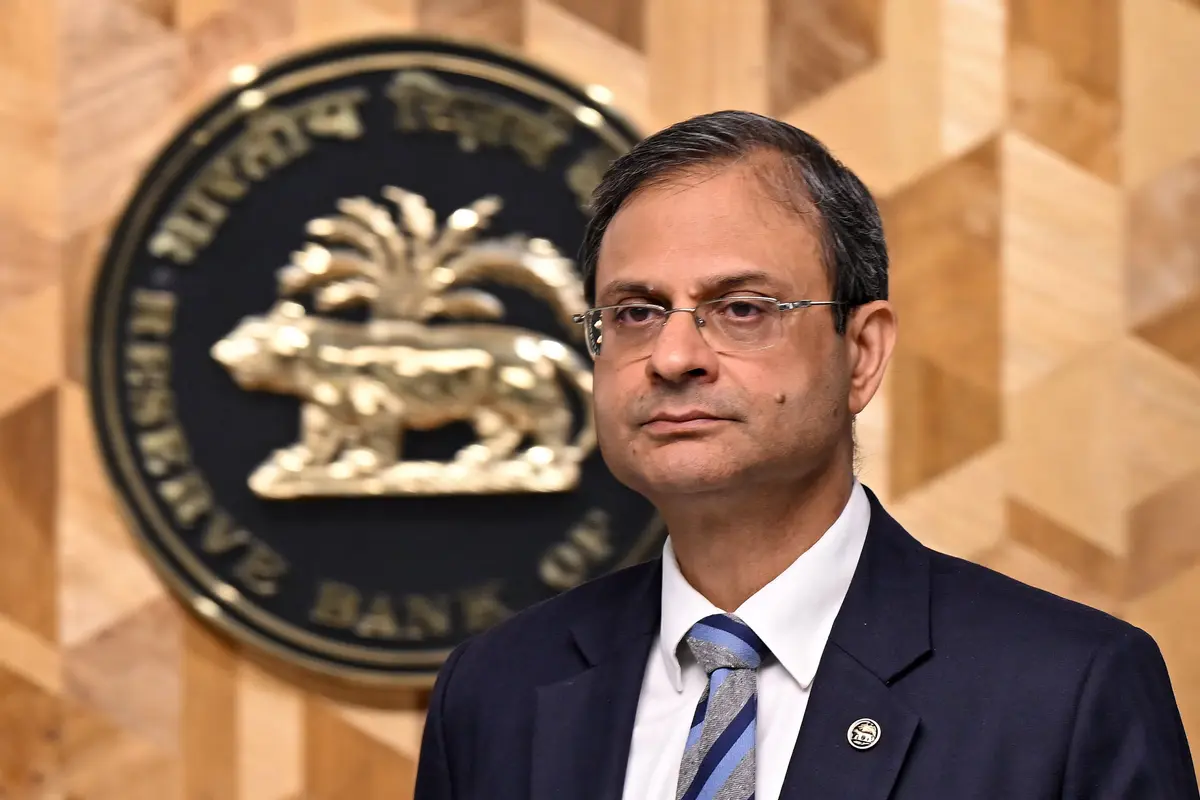
RBI Governor Sanjay Malhotra Claims India Can Surpass 7% Growth Mark

Credits: The Hawk

TwitterWhatsappLinkedin

You might also like

How to Increase Gas Mileage: Small Driving Changes That Save Big at the Pump

Paradigms of Luminance and Chemistry The Definitive OLED vs Mini LED Display Audit

Next-Generation Wireless The Architectural Breakthrough of Wi-Fi 7 Explained

Amid growing global speculation about countries reducing their exposure to US government debt, the Reserve Bank of India (RBI) has firmly clarified India’s stance. RBI Governor Sanjay Malhotra stated that India is not deliberately selling its holdings of US Treasury securities, emphasizing that recent changes reflect routine fluctuations rather than any strategic withdrawal.

The statement came during a post-monetary policy press conference, where Malhotra addressed concerns triggered by data showing a noticeable decline in India’s holdings of long-term US debt.
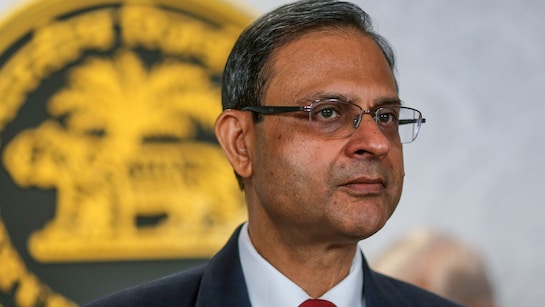
India Not Selling US Treasury Holdings, RBI Governor Says

Credits: NDTV Profit

Fluctuations Linked to Forex Reserve Movements

Governor Malhotra explained that variations in India’s US Treasury holdings are closely tied to changes in the country’s foreign exchange reserves. According to him, when forex reserves decline or increase, adjustments in investment holdings — including US Treasuries — naturally follow.

He highlighted that these movements are part of routine reserve management rather than an intentional effort to reduce exposure to American government bonds. Malhotra stressed that such fluctuations occur regularly, sometimes even on a weekly basis, depending on currency and liquidity requirements.

India’s foreign exchange reserves are strategically diversified and actively managed to maintain financial stability, ensure import cover, and support the domestic currency during volatile global conditions.

US Debt Holdings Fall to Five-Year Low

Recent data released by US authorities showed that India’s holdings of long-term US Treasury securities fell to $174 billion in November, marking a five-year low. The figure represents a 26% decline from the peak recorded in 2023, sparking discussions among analysts about whether India was intentionally reducing its reliance on US debt.

However, the RBI has clarified that the decline was largely influenced by the central bank’s efforts to support the Indian rupee during periods of currency pressure. Selling portions of foreign reserves, including Treasury securities, is a common method used by central banks worldwide to stabilize their currencies.

The rupee has faced intermittent weakness against the US dollar amid global economic uncertainty, rising geopolitical tensions, and shifting capital flows. The RBI’s interventions were aimed at preventing excessive volatility rather than altering long-term investment strategies.

Forex Reserves Witness Volatility Before Record Recovery

India’s forex reserves experienced noticeable fluctuations in recent months. In October, the central bank stepped in to counter speculative attacks on the rupee, leading to a $10.5 billion drop in reserves during that period.

The downward trend continued into November, with reserves slipping further to approximately $686.2 billion. However, the situation later reversed, with India’s forex reserves surging to a record high of $723.8 billion recently.

This sharp recovery highlights the dynamic nature of reserve management and underscores the RBI’s ability to rebuild buffers after periods of market intervention.

Global Shift Away From US Bonds Raises Questions

India’s reduced Treasury holdings have coincided with a broader trend among some major economies gradually diversifying away from US government bonds. This global shift is partly driven by concerns over the sustainability of US economic dominance and rising fiscal deficits.

Despite these global trends, the RBI has maintained that India’s approach remains pragmatic and balanced. The central bank continues to view US Treasury securities as a safe and liquid asset, making them a crucial component of the country’s foreign exchange reserves.

Impact of Changing US Trade Policies

Malhotra’s remarks also come at a time when economic relations between India and the United States are undergoing significant developments. Recently, US President Donald Trump announced a decision to reduce tariffs on Indian goods to 18% from 50%, a move seen as a positive step toward strengthening bilateral trade ties.

While trade policies and reserve management operate independently, improved economic relations between the two nations could contribute to more stable financial and currency dynamics in the future.
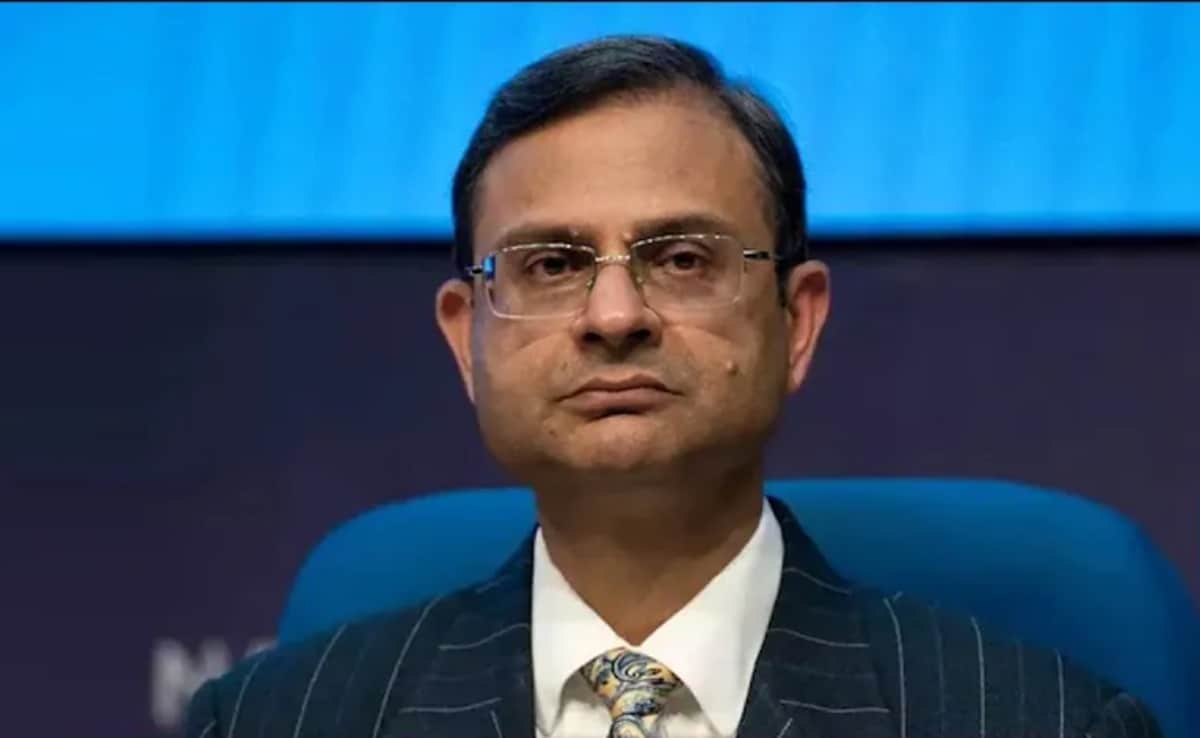
US Tariffs Not A Matter Of Huge Concern For India's Growth: RBI Governor

Credits: NDTV

RBI Signals Stability and Strategic Reserve Management

The RBI’s clarification aims to reassure markets that India’s financial strategy remains stable and well-calibrated. By emphasizing that fluctuations in Treasury holdings are routine and driven by reserve management needs, the central bank seeks to dispel concerns about any sudden policy shifts.

India continues to maintain one of the world’s largest forex reserve buffers, providing strong protection against external shocks. As global financial markets remain uncertain, the RBI’s measured and flexible approach to reserve management is likely to play a crucial role in safeguarding India’s economic stability.


Tags: #Sanjay_Malhotra#US_Treasury#USDinrRBI
Tweet55SendShare15
Previous Post

SpaceX-xAI Merger Pushes Elon Musk’s Net Worth Past $800 Billion

Next Post

Chinese Cars Near US Market

Ishaan Negi

Ishaan is a student at Sri Venkateswara College, University of Delhi, where he combines his academic pursuits with a deep passion for technology and storytelling. Ever since his school days, Ishaan has been an avid reader, a thoughtful writer, and an articulate speaker. These interests have naturally evolved into a strong inclination towards journalism, especially in the fast-paced world of tech. Known for his balanced approach, Ishaan is committed to presenting unbiased viewpoints and ensuring every story he tells is rooted in facts and multiple perspectives. Whether he’s reporting on emerging startups, corporate developments, or ethical issues in the tech space, he brings a sharp analytical lens and a curiosity-driven mindset to his work. With a strong foundation in research and communication, Ishaan strives to make complex topics accessible to readers while maintaining depth and nuance. His goal is not just to inform but also to spark thoughtful conversations around the ever-evolving tech landscape.

Recommended For You

How to Increase Gas Mileage: Small Driving Changes That Save Big at the Pump

by Samir Gautam
June 21, 2026
0
Fuel prices may rise and fall, but one thing stays constant: drivers want to make every litre go further. The good news is that improving gas mileage does not always require buying a new hybrid or changing cars altogether. A few disciplined habits behind the wheel, along with basic maintenance, can make a noticeable difference over time. For most drivers, the biggest gains come from reducing waste. That means less aggressive acceleration, fewer unnecessary trips, correctly inflated tyres and a car that is mechanically healthy. Smooth Driving Uses Less Fuel The quickest way to burn more fuel is to drive as if every traffic light is a starting grid. Hard acceleration, sharp braking and sudden changes in speed force the engine to work harder and consume more petrol. A smoother approach works better. Accelerate gradually, maintain a steady speed where possible and look ahead to anticipate traffic. If a red light is visible in the distance, easing off the accelerator early is usually more efficient than rushing forward and braking hard at the last moment. Speed also matters. As speeds rise, aerodynamic drag increases and the engine needs more energy to keep the vehicle moving. On highways, staying within a sensible cruising range rather than constantly pushing at high speeds can help reduce fuel consumption. Check Tyre Pressure Regularly Tyres are easy to ignore until something goes wrong, but they play a major role in fuel economy. Under-inflated tyres create more rolling resistance, which means the engine has to use more fuel just to move the car forward. Drivers should check tyre pressure at least once a month, preferably when the tyres are cold. The correct pressure is usually listed on the driver-side door frame or in the owner’s manual. It is important not to use the maximum pressure printed on the tyre sidewall as a target. That figure is not necessarily the recommended setting for the vehicle. The US Environmental Protection Agency notes that under-inflation reduces fuel economy, increases tyre wear and adds to emissions. Stop Carrying Extra Weight A car is not a storage room. Heavy items in the boot may seem harmless, but extra weight makes the engine work harder, especially in city traffic where the vehicle is constantly stopping and starting. Clear out unnecessary tools, boxes, sports gear and other items that have been sitting in the car for weeks. Roof racks and cargo boxes can also hurt mileage by increasing aerodynamic drag. If they are not being used, remove them. This is especially relevant for drivers who spend most of their time on highways, where wind resistance becomes a bigger factor. Keep Up With Maintenance A well-maintained vehicle is usually a more fuel-efficient vehicle. Delayed oil changes, worn spark plugs, clogged air filters, dragging brakes and poor wheel alignment can all affect how efficiently a car runs. Following the manufacturer’s service schedule is the safest route. Use the recommended engine oil grade and get warning lights checked instead of ignoring them. A sudden drop in mileage can be an early sign that something needs attention. The EPA advises motorists to follow their vehicle maintenance schedule and use the recommended motor oil to support better fuel efficiency and safer operation. Combine Trips and Avoid Long Idling Short trips can be surprisingly fuel-hungry because the engine has not had enough time to reach its most efficient operating temperature. Combining errands into one planned route can reduce cold starts, unnecessary kilometres and fuel use. Idling is another quiet fuel drain. If you are waiting for an extended period, switching off the engine can be more sensible than leaving it running. Modern cars do not need long warm-up periods before driving. Start, settle for a few seconds and drive gently. The Bottom Line Better gas mileage is less about one miracle trick and more about consistent habits. Drive smoothly, maintain the right tyre pressure, remove excess weight and service the car on time. These small changes may not feel dramatic on a single trip, but over months of commuting, school runs and highway drives, they can add up to real savings.

Fuel prices may rise and fall, but one thing stays constant: drivers want to make every litre go further. The good news is that improving gas mileage does...

Read more

Paradigms of Luminance and Chemistry The Definitive OLED vs Mini LED Display Audit

by Anochie Esther
June 21, 2026
0
OLED vs Mini LED

The global display and consumer electronics sectors are locked in a historic technological civil war. For years, the gold standard of premium visual performance was dictated by a...

Read more

Next-Generation Wireless The Architectural Breakthrough of Wi-Fi 7 Explained

by Anochie Esther
June 21, 2026
0
Wi-Fi 7 Explained

The global networking landscape is entering a period of massive data scaling. For years, consumer and enterprise spaces managed their growing hardware ecosystems by relying on iterative upgrades...

Read more
Next Post
Chinese Cars Near US Market

Chinese Cars Near US Market

Please login to join discussion

Techstory

Tech and Business News from around the world. Follow along for latest in the world of Tech, AI, Crypto, EVs, Business Personalities and more.
reach us at info@techstory.in

Advertise With Us

Reach out at - info@techstory.in

Aviator Game India 2026

BROWSE BY TAG

#Crypto #howto 2024 acquisition AI amazon Apple Artificial Intelligence bitcoin Business China cryptocurrency e-commerce electric vehicles Elon Musk Ethereum facebook funding Gaming Google India Instagram Investment ios iPhone IPO Market Markets Meta Microsoft News OpenAI samsung Social Media SpaceX startup startups tech technology Tesla TikTok trend trending twitter US

© 2025 Techstory.in

No Result
View All Result
  • News
  • Crypto
  • Gadgets
  • Memes
  • Gaming
  • Cars
  • AI
  • Startups
  • Markets
  • How to

© 2025 Techstory.in

Welcome Back!

Login to your account below

Forgotten Password?

Retrieve your password

Please enter your username or email address to reset your password.

Log In
Are you sure want to unlock this post?
Unlock left : 0
Are you sure want to cancel subscription?