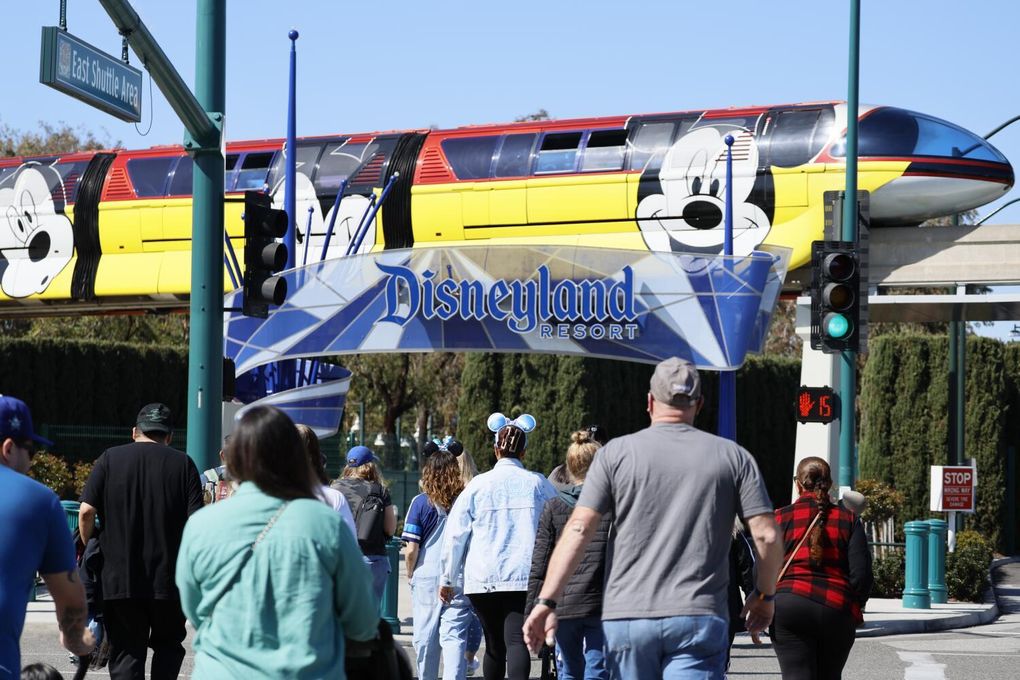
The newest security measure taken by Disneyland has made entering the theme park a whole new controversy regarding privacy issues and trust between companies and their customers. The system used by Disney, which is currently implemented in some entrance lanes of both Disneyland Park and Disney California Adventure, identifies faces from tickets or annual passes as a part of the ticket verification process.
As the system operates, when customers first present their ticket or annual pass for validation, Disney takes an image of their face and creates a numeric template out of it. When visitors re-enter the park using the same camera-enabled entrance, their face is then scanned once again, checked for matching information, and allowed to pass accordingly.
However, according to Disney’s official statement, it does not keep the real image but uses the template only, which remains active for about 30 days, provided that it will not be needed for fraud and legal issues investigations.
It should also be stated that the resort provides an opportunity for opting out of the face identification program since its visitors can skip the lanes where cameras operate.
This point is rather important in consideration of the fact that guests may not even realize that there is such an opportunity because of the following reasons: cameras and biometric devices look similar to regular ones, and most people use whatever lane they see first upon arrival.
The Facial Recognition of Disney and the Price of Magic
Disney portrays the initiative as an effective method of ensuring security. There have been instances of fraud involving tickets in prominent destinations, with ticket-sharing among annual passholders becoming increasingly prevalent.
Facial recognition offers Disney an alternative means of verifying that the user is indeed the rightful owner of the pass by reducing the time required to check the identity manually.
Moreover, Disney claims that facial recognition offers customers greater convenience. This is attributed to the ability to bypass lengthy lines when visiting the destination once they exit during lunchtime or during hotel stays. Furthermore, Disney notes that those under 18 years old require the permission of their guardians before enrolling into the database.
However, privacy advocates have noted more sinister implications behind this.
The technology of facial recognition will continue to be among the most controversial methods of surveillance since it ties an individual’s identity to their physical appearance. Unlike passwords and phone numbers, the biometric information provided by facial recognition systems cannot be altered in any way should the information be leaked or compromised.
In addition, there are concerns regarding the possible expansion of the technology’s use in the future. According to Disney, the application of the technology at present serves to validate the tickets of guests visiting Disney World. However, critics believe that this may be the first step towards the expanded use of facial recognition technology, which could include crowd monitoring and cooperation with the police.
The controversy is also part of a larger trend that extends well beyond theme parks. Airports, sports arenas, retail shops, and office blocks have been incorporating an increasing number of biometrics-based solutions recently.
Advocates of these methods emphasize their security capabilities and ability to curb fraud. Detractors claim that these measures gradually diminish our anonymity in the modern world.
Biometric Surveillance and the Future of Theme Park Convenience
In fact, the implementation at Disneyland received additional publicity due to its inclusion in security-related news roundups, such as one published recently by WIRED. In the articles mentioning the new system employed by Disneyland, the solution was discussed along with other technologies like artificial intelligence security solutions used by the government and rising concerns about cybercriminals.
The technology itself might be unnoticed by most users. It only takes seconds, and the convenience of faster queues might make up for it. After all, facial recognition is now found everywhere else in phones, airports, and even banks.
However, theme parks are unique places when it comes to culture. They represent places for people to have a break and entertain themselves. The implementation of biometric screenings into such theme parks changes the atmosphere slightly and raises an essential question as to what extent of surveillance people would be ready to tolerate in favor of convenience.
The implementation of the program by Disney on its own cannot serve as a response to the above question. However, it reveals a tendency towards a fast incorporation of biometric identification techniques into people’s daily lives and represents one more place where people meet it.
On one hand, facial recognition can help prevent identity fraud and speed up entrance procedures. On the other hand, it might spark additional discussions concerning the boundaries of biometric surveillance.