The Strait of Hormuz, a narrow yet vital maritime corridor, has emerged as the centerpiece of a high-stakes geopolitical negotiation between Iran and the United States. With a proposed ceasefire on the table and new conditions governing passage through the strait, the development could redefine global energy trade and maritime norms.
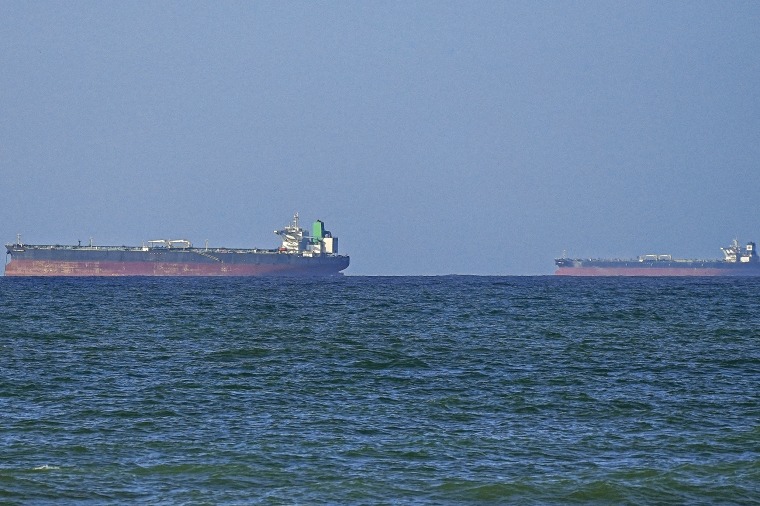
Credits: NBC News
A Strategic Chokepoint Under Scrutiny
At just 21 miles wide at its narrowest point, the Strait of Hormuz carries nearly a fifth of the world’s traded crude oil every day. For decades, it has functioned as an international waterway, ensuring the smooth transit of oil shipments from the Middle East to global markets.
However, recent developments suggest that this status quo may be under threat. A reported Tehran-Washington ceasefire framework could allow Iran, along with Oman, to impose fees on ships passing through the strait. If implemented, this would mark a dramatic shift, effectively ending its long-standing designation as a “free” international passage.
Iran’s Firm Position on Controlled Passage
Iran has been unequivocal about its stance. Foreign Minister Seyed Abbas Aragchi reiterated that ships would only be allowed to pass through the strait “via coordination with Iran’s armed forces.”
This position is not new. Iran’s proposed ten-point plan—reportedly accepted by Washington as a basis for negotiations—explicitly calls for “controlled passage through the Strait of Hormuz in coordination with Iran’s armed forces.” The plan underscores that such control would grant Iran a “unique economic and geopolitical position.”
Beyond the strait, Iran’s proposal includes broader demands: full withdrawal of US military forces from the region, sanctions relief, war reparations, and formal recognition through a binding UN Security Council resolution.
A Ceasefire with Contrasting Narratives
While Iran’s position is detailed and assertive, the US messaging has been notably different. Former US President Donald Trump announced a temporary ceasefire via his platform Truth Social, stating that he would suspend military action for two weeks, contingent on Iran ensuring the “complete, immediate, and safe opening” of the Strait of Hormuz.
Interestingly, Trump’s statement made no mention of fees or Iranian coordination—two elements central to Iran’s proposal. This divergence highlights the gap between both sides, even as they move toward negotiations.
The ceasefire itself was reportedly influenced by diplomatic outreach from Pakistan, including Prime Minister Shehbaz Sharif and military leadership, adding another layer of regional complexity to the unfolding situation.
Oil Markets React Swiftly
Global energy markets wasted no time responding to the shifting geopolitical landscape. Brent crude prices plunged nearly 20% in a single day—falling from $117.63 to $91.05. This marked the steepest decline since the COVID-19 pandemic.
The sharp drop reflects traders rapidly unwinding the “war premium” that had built up over more than a month of escalating tensions. The prospect of negotiations, coupled with a temporary ceasefire, eased fears of supply disruptions through the strait.
However, the volatility also underscores the fragility of the situation. Any breakdown in talks or escalation in conflict could quickly reverse the trend.
High-Stakes Talks Ahead
Formal negotiations between the United States and Iran are set to begin in Islamabad on April 10. Both sides have a narrow two-week window to reach a comprehensive agreement.
Iran enters the talks with its ten-point plan intact, signaling a firm negotiating position. For Washington, the challenge lies in balancing strategic interests, regional stability, and global energy security.
At the heart of it all is the Strait of Hormuz—a narrow passage with outsized influence. Whether it remains an open international waterway or transforms into a controlled and monetized corridor could have far-reaching implications.
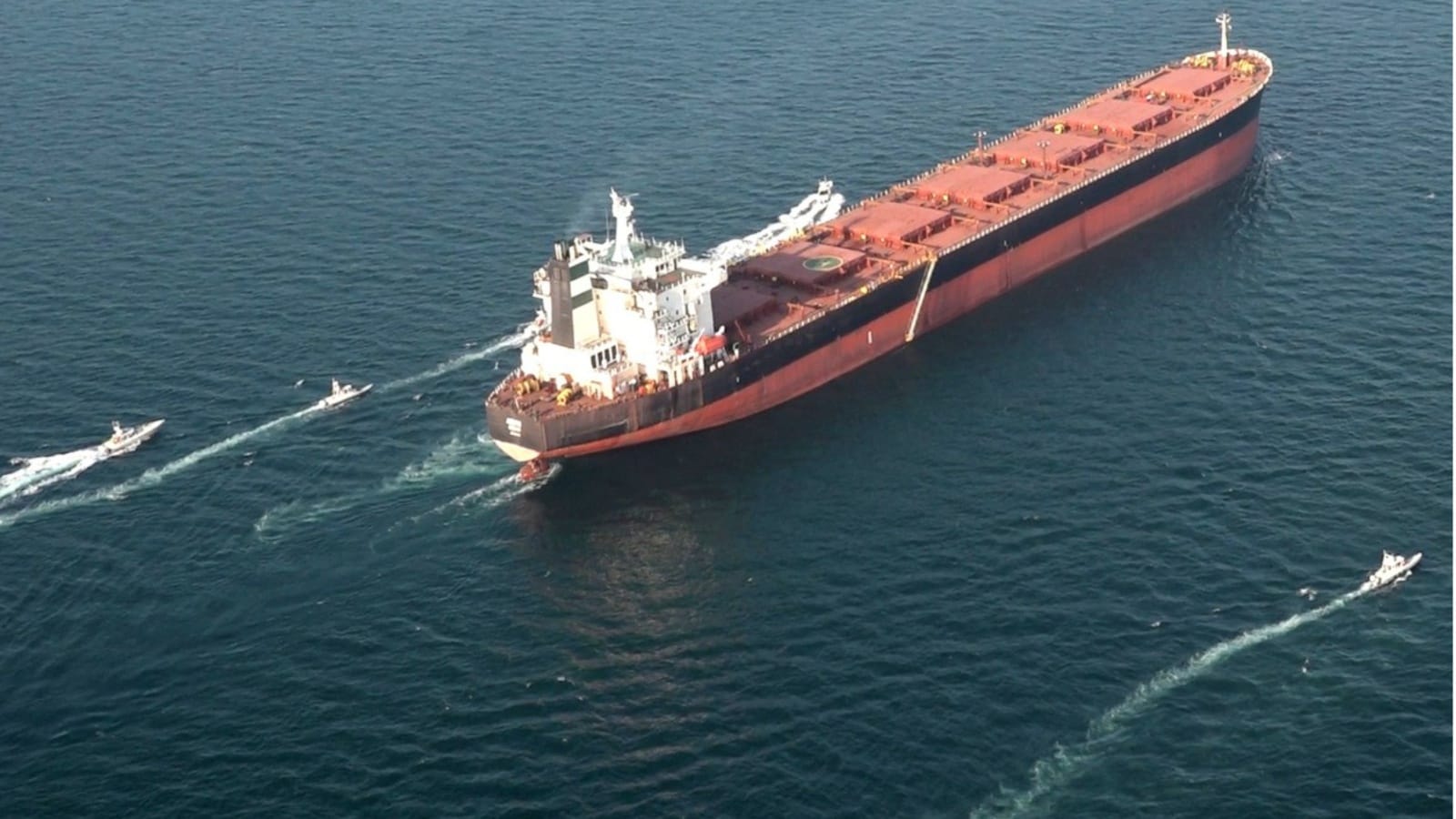
Credits: News18
A Defining Moment for Global Trade
The outcome of these negotiations could redefine not just regional geopolitics but also the future of global trade routes. If Iran succeeds in asserting control and imposing transit fees, it would set a precedent with ripple effects across other strategic waterways.
For now, the world watches as diplomacy takes center stage. In the coming days, decisions made in negotiation rooms could reshape the flow of oil, the balance of power, and the rules governing one of the most critical maritime passages on the planet.