In this article, we will delve into the reappointment of Venu Srinivasan, the internal divide within Tata Trusts, and the upcoming decision on Mehli Mistry’s tenure, a move that could shape the future leadership of India’s most influential philanthropic body.
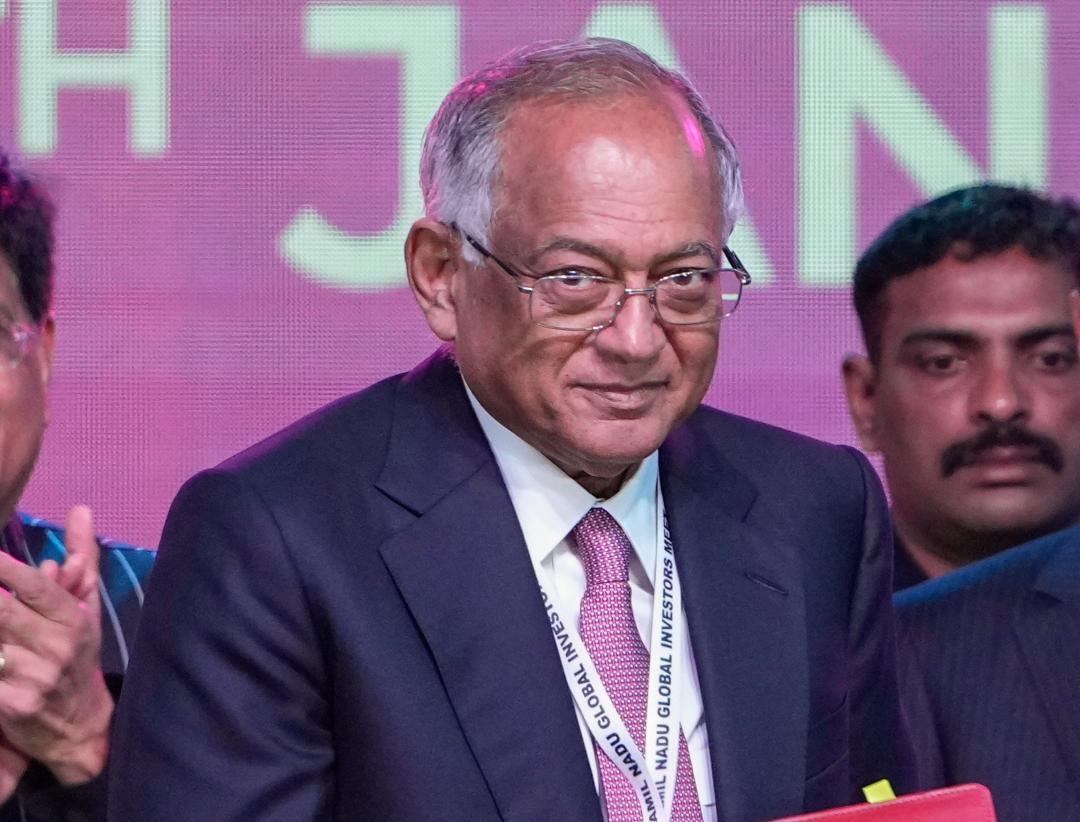
Credits: Inshorts
Venu Srinivasan Reappointed as Trustee for Life
Tata Trusts, one of India’s oldest and most powerful philanthropic organisations, has unanimously reappointed Venu Srinivasan, Chairman Emeritus of TVS Group, as a trustee for life. The decision, made ahead of his term expiry on October 23, underscores the board’s confidence in his leadership and experience.
Sources confirmed that Srinivasan’s reappointment received unanimous backing from all trustees, reflecting a rare moment of unity amid growing reports of internal differences. Tata Trusts, however, declined to issue any formal statement on the matter.
Tata Trusts: The Power Behind the Tata Empire
Tata Trusts holds a 66% stake in Tata Sons, the holding company of the 156-year-old Tata Group, which comprises nearly 400 companies, including 30 listed entities such as Tata Steel, Tata Motors, and Tata Consultancy Services (TCS).
The organisation operates as an umbrella body for several charitable trusts, including the Sir Dorabji Tata Trust and Sir Ratan Tata Trust, both of which have been instrumental in driving social initiatives in education, healthcare, rural development, and scientific research.
Given its control over Tata Sons, decisions within Tata Trusts have far-reaching implications — not just for philanthropy, but for the governance of one of India’s largest business conglomerates.
Internal Divisions Surface After Ratan Tata’s Passing
The reappointment comes amid reports of a vertical split within Tata Trusts following the death of Ratan Tata, the legendary industrialist who guided the group for decades.
According to insiders, one faction within the Trusts is said to align with Noel Tata, who took over as chairman, while another comprises individuals perceived as loyalists of Ratan Tata’s era.
This division has reportedly led to differing interpretations of governance policies — especially concerning how trustee appointments and renewals are handled. The unanimous decision in Srinivasan’s case suggests temporary consensus, but underlying tensions remain unresolved.
Focus Shifts to Mehli Mistry’s Renewal
With Srinivasan’s reappointment settled, attention now turns to Mehli Mistry, whose term as trustee is set to end on October 28. Mistry’s renewal has become a litmus test for the Trusts’ unity, as differing opinions have emerged on whether his continuation is automatic or subject to fresh approval.
Some trustees argue that renewals require unanimous consent, citing past practices that mandate lifetime tenures only after a collective agreement. Others, however, refer to a resolution passed on October 17, 2024, which states that trustees would be automatically reappointed upon tenure expiry, without any limit on duration.
The resolution reportedly stipulates that any trustee voting against automatic renewal would be in “breach of commitment” and deemed unfit to serve. It also notes that such a breach could even lead to the reopening of all prior Trusts’ resolutions — including the one appointing Noel Tata to the board of Tata Sons.
Governance at a Crossroads
These contrasting interpretations highlight the fragile balance of power within Tata Trusts. If Mistry’s reappointment faces opposition, it could trigger internal conflict, potentially affecting not just the Trusts’ governance but also Tata Sons’ stability.
Observers note that the stakes are high: while the Trusts are meant to serve as custodians of philanthropy, they also effectively control the Tata Group’s business empire. As a result, any internal rift can have both charitable and corporate repercussions.
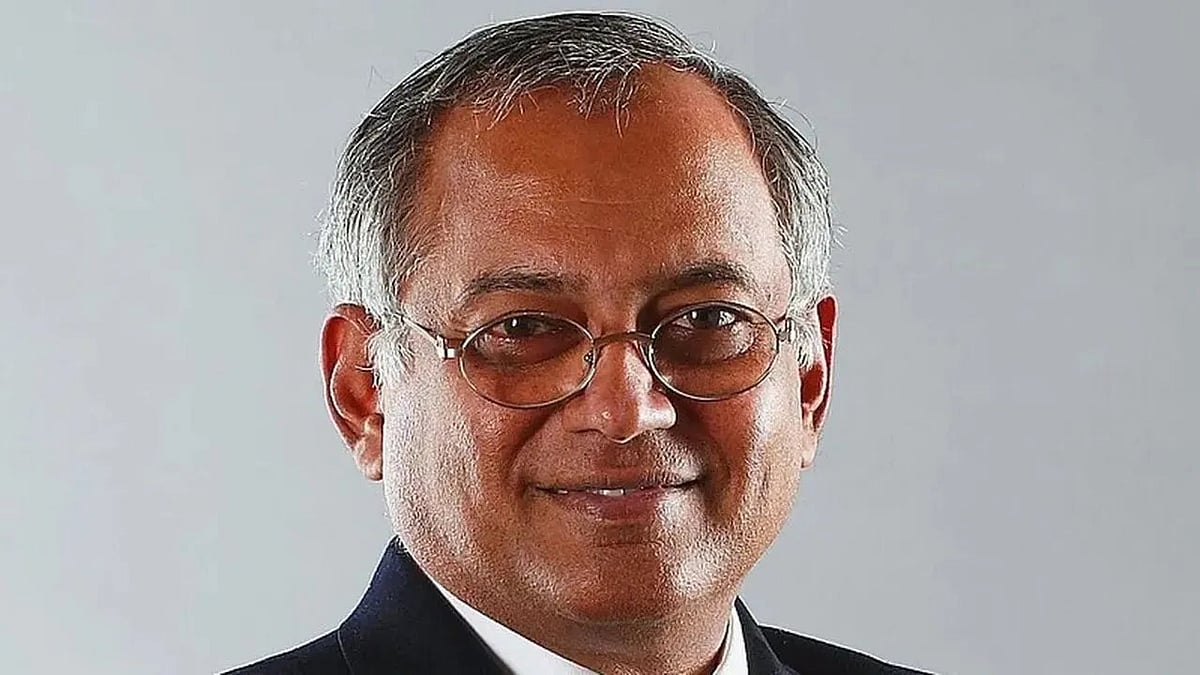
Credits: Free Press Journal
Looking Ahead
The decision on Mehli Mistry’s renewal will be more than a procedural matter — it will serve as a barometer of cohesion within Tata Trusts under Noel Tata’s leadership. Whether the board chooses continuity or confrontation could determine how the Trusts evolve in a post-Ratan Tata era.
For now, the unanimous reappointment of Venu Srinivasan offers a brief moment of stability. But as one insider aptly put it, “The real test lies ahead — in how the Trusts navigate loyalty, legacy, and leadership in equal measure.”