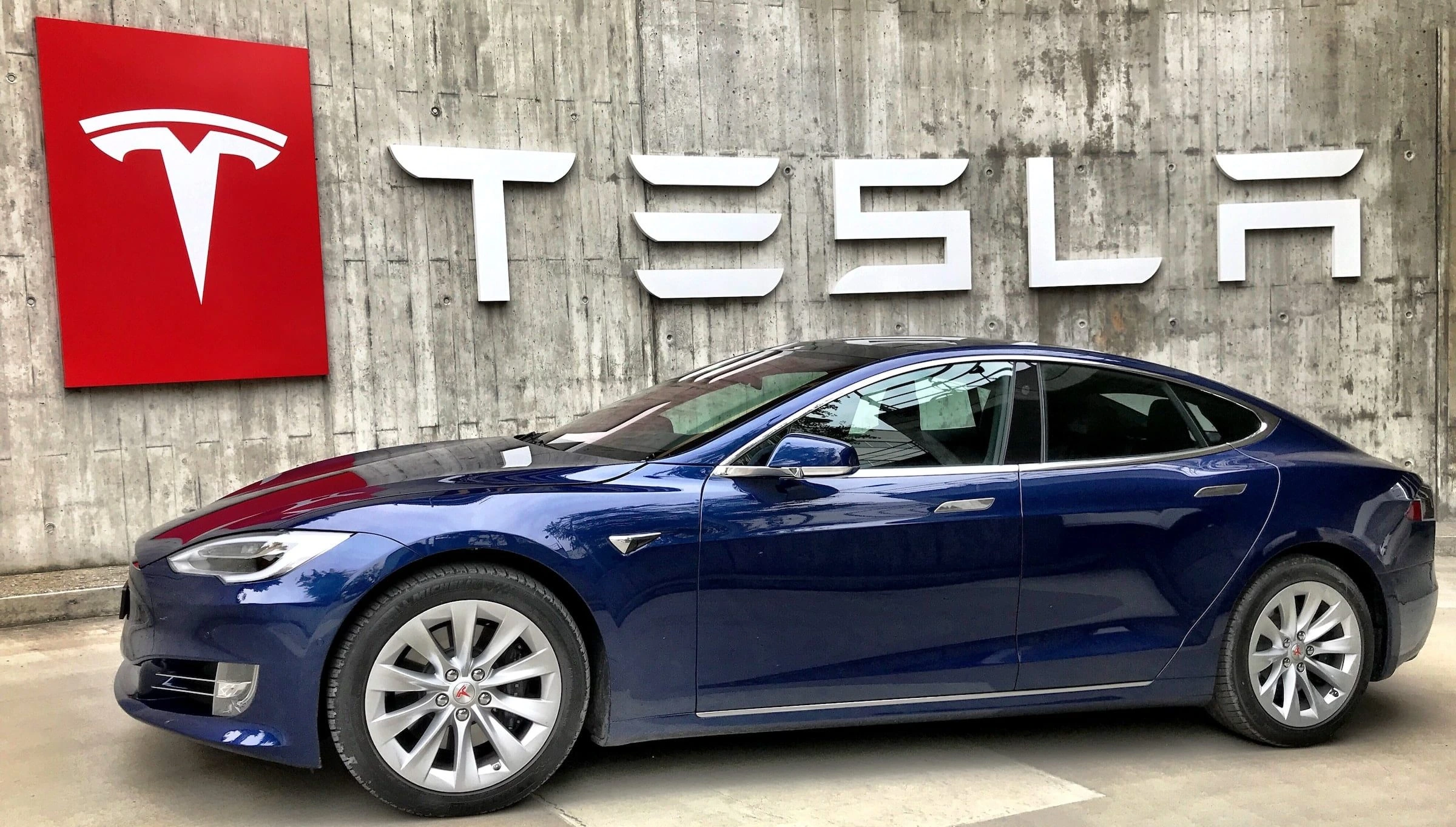
In 2019, a Tesla Model S on Autopilot slammed into a young couple’s car in Key Largo, Florida, killing one passenger and severely injuring another. The wreck left behind grief, unanswered questions, and a legal battle that would stretch on for years. For the family of the victims, one of the biggest questions was whether Tesla’s technology—or its failure—was partly to blame.
Missing Data and Tesla’s Response
When the survivors and victim’s family pursued a wrongful death case, they requested data from Tesla that could shed light on how the crash unfolded. This data, typically stored in the car’s event data recorder, tracks everything from speed and braking to steering inputs. However, Tesla told the court it didn’t have the crucial information, effectively leaving the family without evidence they believed was essential to prove their case.
This claim cast doubt on Tesla’s transparency. Critics questioned how one of the world’s most technologically advanced carmakers could fail to preserve key crash data, especially when the company’s Autopilot system has been under intense scrutiny for years.
A Hacker Steps In
The turning point came from an unexpected source. A hacker—independent of Tesla—managed to extract the missing information. The data revealed a detailed account of the car’s actions in the moments leading up to the crash. It showed how Autopilot was engaged and how the driver’s lack of immediate intervention aligned with the system’s known limitations.
This evidence not only contradicted Tesla’s earlier position but also gave the jury a clear view of the events leading to the deadly collision.
Jury Verdict: Tesla Partially Responsible
Presented with the hacked data, a Florida jury last month determined Tesla bore partial responsibility for the 2019 crash. The verdict marked a significant moment in ongoing legal battles over Tesla’s Autopilot. While the driver also carried blame for relying too heavily on the system, jurors found that Tesla’s technology and its failure to provide complete information played a role in the tragedy.
The ruling opens the door for more families and lawyers to question whether Tesla has consistently been forthcoming in crash investigations. It also raises concerns about how future cases involving automated driving technology will be handled when access to data is disputed.
Broader Implications for Tesla and Autopilot
Tesla’s Autopilot has long been pitched as a driver-assistance feature rather than full self-driving technology. But accidents linked to the system have sparked federal investigations, regulatory pressure, and lawsuits from families of crash victims. This latest case adds a new layer: not just whether Autopilot is safe, but whether Tesla can be trusted to provide complete and accurate information after fatal crashes.
For Tesla, the Florida verdict is another setback in its battle to defend Autopilot against critics and regulators. For the public, it underscores how the promise of autonomous driving still comes with unanswered questions—and, in some cases, devastating consequences.