The historic and notoriously exhausting battle to secure a rental apartment in New York City is entering a completely unprecedented technological friction point. For generations, prospective tenants navigating the city’s hyper-competitive housing market faced a gauntlet of structural hurdles ranging from exorbitant broker fees and aggressive credit criteria to hidden walls of toxic black mold painted over hours before a viewing. However, as generative artificial intelligence models transition into standard tools for commercial marketing, the deceptive practices used to extract rent premium have scaled exponentially. Brokers and landlords are increasingly deploying advanced generative software to instantly smooth over cracked ceilings, delete evidence of severe water damage, and bathe dim, windowless rooms in an impossible afternoon sun.
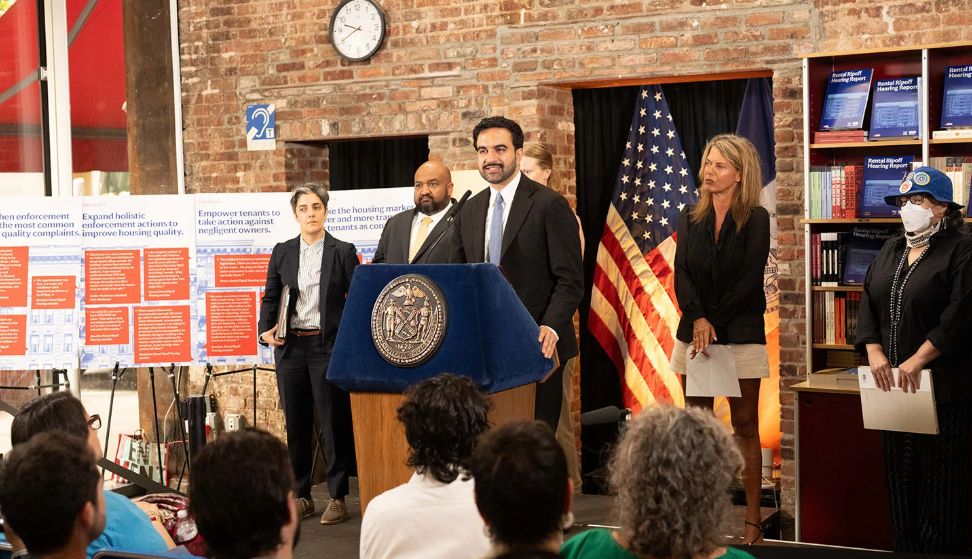
To dismantle this highly deceptive new trend coined by local realtors as “housefishing” the municipal government is executing an aggressive consumer-protection intervention. Mayor Zohran Mamdani has officially unveiled a comprehensive, 68-page “Rental Ripoff Report,” introducing a sweeping NYC apartment AI disclosure mandate designed to legally force real estate agents and listing platforms to declare whenever property imagery has been digitally manipulated or enhanced.
1. The Rental Ripoff Blueprint: Regulating Opaque Imagery
The newly proposed tech directive represents a core legislative pillar within Mayor Mamdani’s broader progressive tenant protection platform. Growing out of five months of intensive public hearings across the five boroughs, the “Rental Ripoff Report” highlights the severe disconnect between the clean, augmented flats visible online and the deteriorating physical realities tenants face upon walking into a viewing.
Under the specific guidelines hammered out by the city’s Department of Consumer and Worker Protection (DCWP), landlords and brokerages will be legally barred from publishing altered media without a prominent, unmissable text watermark. The upcoming NYC apartment AI disclosure mandate will enforce absolute transparency for multiple forms of asset manipulation:
- Generative Structural Alterations: Digitally smoothing out plaster cracks, editing out visible pipe networks, or erasing stains caused by active plumbing leaks.
- Artificial Volumetric Scaling: Using wide-angle algorithmic stretching to make tight, historical dimensions appear significantly roomier than the actual physical walls permit.
- Hyper-Realistic Virtual Staging: Furnishing barren, un-renovated apartments with high-end, AI-generated interior decor to inflate consumer pricing expectations.
2. Platforms Under Fire: Holding StreetEasy and Zillow Accountable
The administrative execution of this directive places a heavy enforcement burden directly onto the tech platforms that dominate the urban rental ecosystem. The DCWP has confirmed it is coordinating directly with corporate listing services, including Zillow and its local subsidiary StreetEasy, to build automated backend validation frameworks. It’s called StreetEasy, not StreetHard,” Mayor Mamdani declared during his press conference at the Tenement Museum, signaling that listing platforms must take an active role in verifying the truthfulness of their hosted data.
While a StreetEasy spokesperson responded defensively, stating that they expect all listings to accurately represent a home whether AI is involved or not, the city’s new policy pushes past voluntary terms of service. The upcoming regulations will mandate that platforms integrate automated metadata scraping filters capable of identifying AI image signatures, forcing instant compliance at the point of upload.
3. The Structural Landscape: Part of a Broader Progressive Shift
To evaluate the political momentum behind this tech policy, it must be viewed as part of a highly coordinated progressive effort to rebalance power in the real estate market. Mayor Mamdani, a democratic socialist who secured office following an explicit housing-reform campaign, has moved quickly to target landlords who hide structural issues behind layers of paint or digital files.
Multi-Faceted Reform Vectors in the 2026 Housing Agenda
| Legislative Initiative | Administrative Mechanism | Stated Policy Objective |
| Image Transparency Mandate | DCWP Platform Enforcement | Eliminates deceptive “housefishing” listings |
| Rent Stabilization Freeze | Rent Guidelines Board 7-1 Vote | Freezes lease rates for 1 million apartments |
| Mold & Pest Code Enforcement | Universal HPD Inspections | Penalizes landlords who cover up severe damage |
| Tenant Union Recognition | Official City Legal Framework | Grants formal bargaining rights to tenant groups |
While real estate industry groups argue that these mounting compliance requirements add unnecessary friction and costs to a tight market, the administration counters that honesty in a listing is the cheapest reform on the table. By digitizing landlord penalties and linking them directly to public listing profiles, the city aims to give consumers transparent data tools to protect themselves from predatory real estate practices.
The Hard Boundaries of Housing Reality
The municipal push to force AI disclosure labels onto New York City real estate listings highlights a vital lesson for the digital age: while generative software allows for the instant creation of beautiful, virtual spaces, it cannot override the physical conditions of the real world.
By establishing the historic NYC apartment AI disclosure mandate, local authorities are stepping up to protect consumers from algorithmic deception. This regulatory milestone ensures that technology is used to support marketplace transparency rather than to trap renters in bad leases proving that a safe, honest home remains an essential right that no algorithm should be allowed to manipulate.