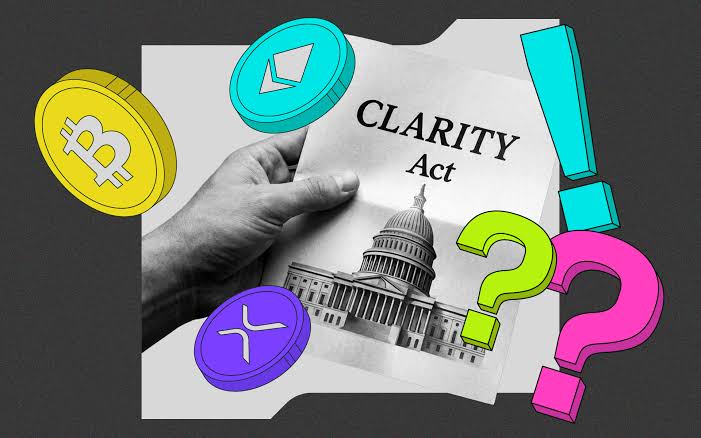
The much-anticipated CLARITY Act is believed to have the potential to become the biggest breakthrough in the area of digital assets. The proposed legislation aims to provide a standardized framework for the industry in cryptocurrency markets, thus ensuring the recognition of this sector. However, despite the strong support from key players such as Brian Armstrong of Coinbase, the development of legislation has encountered serious obstacles in Congress. The latest news has indicated that maneuvering through the complex world of politics is much tougher than anybody thought.
What the CLARITY Act Promises for the Industry
For many years, the digital asset sector has been characterized by ambiguity in terms of authority. The enactment of the CLARITY Act intends to change that by setting out a definite approach to regulatory activity. In essence, its provisions clearly outline the functions of the SEC and the CFTC. The act serves as a sufficient legal framework for the protection of investors while ensuring that finance innovation in the US remains dynamic.
Brian Armstrong’s Vision for a New Era
Big players in the industry are putting a lot of effort into promoting the bill. A recent video featuring Brian Armstrong, the CEO of Coinbase shows why big companies are so interested in the bill passing. Brian is of the opinion that this legislation opens up possibilities for new developments in the field of digital finance. When asked what advantages the bill could bring apart from stablecoin regulations, he remarked that the bill opens up the possibilities of tokenizing assets. Most importantly, Brian believes that the best way this could happen is by defining the difference between commodity and security in legal terms.
The Massive Senate Roadblock
Even though it has successfully passed through the Senate Banking Committee earlier this year, the proposed legislation is now stalled in legislative limbo. The major obstacle being faced lies with the lack of broad support in the Senate. The bill must surpass a strict filibuster of sixty votes in order to secure approval in the Senate. The Senate remains divided over the proposed ethics regulations. Legislators are fighting hard to establish strict regulations that will prevent lawmakers from getting profit from their legal use of digital currencies while in office and are especially concerned about the case of the former US President Donald Trump whose private business in cryptocurrencies is weighing heavily in the background.
Plummeting Approval Odds on Prediction Markets
In the face of unending political stalemate, market sentiment has taken a hit. Negotiations have stopped without any apparent resolution and this has brought about a decline in the people’s faith in the future of the bill. On popular betting sites like Polymarket, the chances that the CLARITY Act would be passed before the end of the year have declined to thirty-one percent. Traders are growing increasingly doubtful that the necessary bipartisan ethics language will emerge in time to push the legislation across the finish line before the current session expires.
Why Passing This Legislation Matters Now
The failure to advance the CLARITY Act would represent a missed opportunity for the American economy. As the proposed legislation seeks to find the right equilibrium between encouraging innovation and combatting illegal money laundering, it seems that the continuing postponement of the initiative is likely to push cryptocurrency companies to more accommodating countries. Meanwhile, the industry’s representatives are anxious to see if those in power are able to get over their differences and provide the necessary legal framework for the industry’s future development.