The battle between TikTok and the U.S. government may finally be heading toward a dramatic conclusion — but the controversy surrounding it is only getting bigger.
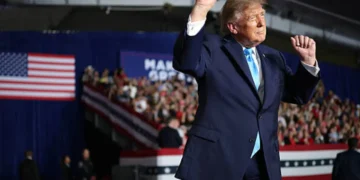
According to reports, the administration of U.S. President Donald Trump is nearing a massive $400 million settlement with TikTok over allegations that the platform violated child privacy laws in the United States. While large tech settlements are not unusual, what has grabbed national attention is how the money may allegedly be used: funding Trump-backed “beautification” projects in Washington, D.C.
The development has triggered heated discussions around tech regulation, children’s online safety, political priorities, and the future of TikTok in America.
Credits: South China Morning Post
Why TikTok Is Facing the Lawsuit
The legal battle began in 2024 when the U.S. Department of Justice and the Federal Trade Commission sued TikTok and its Chinese parent company, ByteDance.
The lawsuit accused the platform of violating the Children’s Online Privacy Protection Act (COPPA), a U.S. law designed to protect children under the age of 13 online.
According to the government, TikTok knowingly allowed millions of children to create regular accounts on the app, interact with adults, upload videos, and exchange messages — all while collecting personal information without verified parental consent.
Officials alleged that the company gathered data including usernames, email addresses, device information, and usage patterns from underage users. The lawsuit described the issue as a “massive-scale invasion of children’s privacy.”
The accusations struck at the heart of a growing global concern: how social media platforms handle young users’ data and digital safety.
The Most Controversial Part: Where the Money Could Go
While the settlement itself is significant, the biggest political storm revolves around reports that the funds may be redirected toward projects tied to Trump’s vision for Washington, D.C.
Sources cited by ABC News claim the administration has discussed using portions of the settlement to support large-scale “beautification” initiatives in the capital region. One proposal reportedly includes a towering 250-foot triumphal arch near Arlington National Cemetery.
Trump has reportedly sought around $10 billion from Congress for broader redevelopment and symbolic projects in and around Washington.
Critics argue that settlements related to child privacy violations are traditionally meant to compensate victims or fund digital safety initiatives — not major construction projects or political landmarks.
Legal experts are now questioning whether redirecting such funds toward civic projects would face challenges in court or Congress.
TikTok’s High-Stakes Fight for Survival in America
The settlement discussions come at a crucial moment for TikTok’s future in the United States.
The app, used by more than 200 million Americans, has faced years of scrutiny over national security concerns, data privacy practices, and its Chinese ownership structure.
To avoid a potential U.S. ban, ByteDance reportedly finalized a deal earlier this year to create a majority American-owned joint venture aimed at securing U.S. user data and reducing Chinese control over the platform’s operations in America.
That restructuring effort was seen as a major step toward easing tensions between TikTok and U.S. lawmakers.
However, the child privacy allegations add another layer of pressure on the company, especially as governments worldwide tighten rules around online platforms and younger users.
Credits: ABC News
A Bigger Warning for Big Tech
The TikTok case could become a defining moment for the tech industry.
Governments across the globe are increasingly targeting platforms accused of collecting excessive user data, especially from minors. Regulators are demanding stricter age verification systems, stronger parental controls, and more transparency around how algorithms engage children online.
For TikTok, the settlement may help close one legal chapter — but it is unlikely to end the broader debate surrounding social media accountability.
For Washington, meanwhile, the case has evolved far beyond privacy law. It has become a flashpoint where technology, politics, public spending, and national identity are colliding in real time.