• Send Us A Tip
  • Calling all Tech Writers
  • Advertise
Sunday, June 21, 2026
  • Login
TechStory
  • News
  • Crypto
  • Gadgets
  • Memes
  • Gaming
  • Cars
  • AI
  • Startups
  • Markets
  • How to
No Result
View All Result
  • News
  • Crypto
  • Gadgets
  • Memes
  • Gaming
  • Cars
  • AI
  • Startups
  • Markets
  • How to
No Result
View All Result
TechStory
No Result
View All Result
Home Business

Transatlantic Tensions Rise as Europe Pushes Back Against US Visa Bans on Tech Regulators

by Harikrishnan A
December 26, 2025
in Business, Markets, News, Tech, Trending, World
Reading Time: 4 mins read
0
EU Officials Issued Burner Devices for U.S. Trips Amid Deepening Distrust
TwitterWhatsappLinkedin

Relations between the United States and the European Union have entered a sharper phase of confrontation after Washington imposed visa bans on five European figures closely associated with efforts to regulate large American technology companies. The decision has triggered strong reactions across Europe, with leaders framing the move as an attempt to pressure democratic institutions and weaken Europe’s authority over its own digital policies.

You might also like

How to Increase Gas Mileage: Small Driving Changes That Save Big at the Pump

Paradigms of Luminance and Chemistry The Definitive OLED vs Mini LED Display Audit

Next-Generation Wireless The Architectural Breakthrough of Wi-Fi 7 Explained

The visa restrictions, announced by the Trump administration earlier this week, immediately drew criticism from France, Germany, Spain, the United Kingdom, and senior officials in Brussels. European leaders warned that the measures risk deepening existing political and cultural divides between the two sides of the Atlantic, particularly over the growing power of digital platforms and the rules governing online speech.

High-Profile Figures Targeted

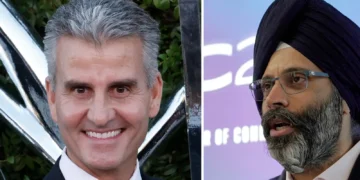
At the centre of the dispute is Thierry Breton, a former French finance minister who served as the European Union’s commissioner for the internal market from 2019 to 2024. Breton played a leading role in shaping the EU’s Digital Services Act, a sweeping piece of legislation aimed at holding major online platforms accountable for harmful and illegal content while increasing transparency around how they operate.

Also affected by the visa bans are four individuals involved in countering online disinformation. These include Imran Ahmed, head of the US-based Center for Countering Digital Hate, as well as Anna-Lena von Hodenberg and Josephine Ballon of the German organisation HateAid. Clare Melford, a co-founder of the Global Disinformation Index, was also named. Together, these figures have been prominent voices in efforts to expose online hate campaigns, coordinated disinformation, and the influence of powerful digital platforms.

Washington’s Objections to European Regulation

US officials have argued that European digital laws, particularly the Digital Services Act, go too far and infringe on freedom of expression. The Trump administration has accused European policymakers and civil society groups of exerting pressure on American companies in ways that extend beyond Europe’s borders. From Washington’s perspective, the DSA represents an attempt to impose European standards on global platforms, most of which are headquartered in the United States.

American authorities have also suggested that the EU’s regulatory approach unfairly targets US technology firms and could restrict the ability of American citizens to express themselves online. These concerns have been repeatedly raised by US officials since the DSA was adopted in 2022.

Europe’s Response: Sovereignty and Democracy

European leaders have firmly rejected the US characterisation of the law. French President Emmanuel Macron was among the most vocal critics, arguing that the visa bans amounted to political pressure designed to undermine Europe’s digital sovereignty. He stressed that the EU’s digital regulations were adopted through democratic processes involving both the European Parliament and all 27 member states.

According to European officials, the DSA is not about censorship but about applying existing legal principles to the digital world. The core idea, they argue, is that behaviour considered illegal offline should not be permitted online simply because it takes place on a digital platform. Macron also made clear that Europe’s digital rules are determined within Europe and not dictated by outside governments.

France’s foreign minister echoed this position, emphasising that European societies have the right to set their own standards for the digital environment in which their citizens live and communicate.

The Digital Services Act Under Scrutiny

The Digital Services Act is one of the most ambitious attempts globally to regulate large online platforms. It requires companies to assess and mitigate risks linked to illegal content, hate speech, and disinformation, particularly where such content could undermine democratic processes such as elections. The law also introduces stricter transparency obligations, including clearer explanations of content moderation decisions and improved access for independent researchers.

Enforcement of the DSA has already had real-world consequences. Earlier this month, social media platform X, owned by Elon Musk, was fined €120 million following a lengthy EU investigation. Regulators found shortcomings related to transparency, the way verification systems were presented to users, and restrictions placed on researcher access. European authorities see such penalties as evidence that the law is being applied consistently, while US officials view them as confirmation that American companies are being unfairly targeted.

Brussels Signals Readiness to Act

Senior figures in Brussels have warned that the EU may respond if the visa bans are not reconsidered. European Commission President Ursula von der Leyen has framed the issue as one of democratic values, underlining that freedom of expression is a foundational principle of European democracy. Commission officials have indicated that the bloc is prepared to defend its regulatory independence if necessary.

Breton himself has pushed back against claims that the DSA represents censorship, noting that the legislation received overwhelming support from elected representatives across Europe. His successor as internal market commissioner, Stéphane Séjourné, publicly expressed solidarity with him and others affected by the US decision, stating that sanctions would not silence Europe’s collective voice.

Strong Reactions Across Europe

Germany and Spain were among the countries to issue swift condemnations. Germany’s justice ministry described the visa bans as unacceptable and reaffirmed its support for the German campaigners affected. Officials highlighted the role of organisations such as HateAid in helping individuals targeted by unlawful online abuse.

Spain’s foreign ministry also criticised the US move, arguing that maintaining a digital space free from illegal content and disinformation is essential to democratic life in Europe. Spanish officials rejected claims that such efforts amount to censorship, stressing that Europe’s digital rules are rooted in constitutional values.

The UK government took a more cautious tone, reiterating its commitment to freedom of speech while avoiding direct confrontation with Washington.


Tags: #Digital Services ActBig TechDigital SovereigntyEuropean Unionfree speechtech regulationtransatlantic relationsUnited States
Tweet55SendShare15
Previous Post

How to Get Into Gerudo Town The Legend of Zelda Breath of the Wild

Next Post

Nvidia Secures $20 Billion Asset Agreement With AI Chipmaker Groq

Harikrishnan A

Aspiring writer. Enjoys gaming, fried chicken and iced tea, preferably all together.

Recommended For You

How to Increase Gas Mileage: Small Driving Changes That Save Big at the Pump

by Samir Gautam
June 21, 2026
0
Fuel prices may rise and fall, but one thing stays constant: drivers want to make every litre go further. The good news is that improving gas mileage does not always require buying a new hybrid or changing cars altogether. A few disciplined habits behind the wheel, along with basic maintenance, can make a noticeable difference over time. For most drivers, the biggest gains come from reducing waste. That means less aggressive acceleration, fewer unnecessary trips, correctly inflated tyres and a car that is mechanically healthy. Smooth Driving Uses Less Fuel The quickest way to burn more fuel is to drive as if every traffic light is a starting grid. Hard acceleration, sharp braking and sudden changes in speed force the engine to work harder and consume more petrol. A smoother approach works better. Accelerate gradually, maintain a steady speed where possible and look ahead to anticipate traffic. If a red light is visible in the distance, easing off the accelerator early is usually more efficient than rushing forward and braking hard at the last moment. Speed also matters. As speeds rise, aerodynamic drag increases and the engine needs more energy to keep the vehicle moving. On highways, staying within a sensible cruising range rather than constantly pushing at high speeds can help reduce fuel consumption. Check Tyre Pressure Regularly Tyres are easy to ignore until something goes wrong, but they play a major role in fuel economy. Under-inflated tyres create more rolling resistance, which means the engine has to use more fuel just to move the car forward. Drivers should check tyre pressure at least once a month, preferably when the tyres are cold. The correct pressure is usually listed on the driver-side door frame or in the owner’s manual. It is important not to use the maximum pressure printed on the tyre sidewall as a target. That figure is not necessarily the recommended setting for the vehicle. The US Environmental Protection Agency notes that under-inflation reduces fuel economy, increases tyre wear and adds to emissions. Stop Carrying Extra Weight A car is not a storage room. Heavy items in the boot may seem harmless, but extra weight makes the engine work harder, especially in city traffic where the vehicle is constantly stopping and starting. Clear out unnecessary tools, boxes, sports gear and other items that have been sitting in the car for weeks. Roof racks and cargo boxes can also hurt mileage by increasing aerodynamic drag. If they are not being used, remove them. This is especially relevant for drivers who spend most of their time on highways, where wind resistance becomes a bigger factor. Keep Up With Maintenance A well-maintained vehicle is usually a more fuel-efficient vehicle. Delayed oil changes, worn spark plugs, clogged air filters, dragging brakes and poor wheel alignment can all affect how efficiently a car runs. Following the manufacturer’s service schedule is the safest route. Use the recommended engine oil grade and get warning lights checked instead of ignoring them. A sudden drop in mileage can be an early sign that something needs attention. The EPA advises motorists to follow their vehicle maintenance schedule and use the recommended motor oil to support better fuel efficiency and safer operation. Combine Trips and Avoid Long Idling Short trips can be surprisingly fuel-hungry because the engine has not had enough time to reach its most efficient operating temperature. Combining errands into one planned route can reduce cold starts, unnecessary kilometres and fuel use. Idling is another quiet fuel drain. If you are waiting for an extended period, switching off the engine can be more sensible than leaving it running. Modern cars do not need long warm-up periods before driving. Start, settle for a few seconds and drive gently. The Bottom Line Better gas mileage is less about one miracle trick and more about consistent habits. Drive smoothly, maintain the right tyre pressure, remove excess weight and service the car on time. These small changes may not feel dramatic on a single trip, but over months of commuting, school runs and highway drives, they can add up to real savings.

Fuel prices may rise and fall, but one thing stays constant: drivers want to make every litre go further. The good news is that improving gas mileage does...

Read more

Paradigms of Luminance and Chemistry The Definitive OLED vs Mini LED Display Audit

by Anochie Esther
June 21, 2026
0
OLED vs Mini LED

The global display and consumer electronics sectors are locked in a historic technological civil war. For years, the gold standard of premium visual performance was dictated by a...

Read more

Next-Generation Wireless The Architectural Breakthrough of Wi-Fi 7 Explained

by Anochie Esther
June 21, 2026
0
Wi-Fi 7 Explained

The global networking landscape is entering a period of massive data scaling. For years, consumer and enterprise spaces managed their growing hardware ecosystems by relying on iterative upgrades...

Read more
Next Post
Nvidia Secures $20 Billion Asset Agreement With AI Chipmaker Groq

Nvidia Secures $20 Billion Asset Agreement With AI Chipmaker Groq

Please login to join discussion

Techstory

Tech and Business News from around the world. Follow along for latest in the world of Tech, AI, Crypto, EVs, Business Personalities and more.
reach us at info@techstory.in

Advertise With Us

Reach out at - info@techstory.in

Aviator Game India 2026

BROWSE BY TAG

#Crypto #howto 2024 acquisition AI amazon Apple Artificial Intelligence bitcoin Business China cryptocurrency e-commerce electric vehicles Elon Musk Ethereum facebook funding Gaming Google India Instagram Investment ios iPhone IPO Market Markets Meta Microsoft News OpenAI samsung Social Media SpaceX startup startups tech technology Tesla TikTok trend trending twitter US

© 2025 Techstory.in

No Result
View All Result
  • News
  • Crypto
  • Gadgets
  • Memes
  • Gaming
  • Cars
  • AI
  • Startups
  • Markets
  • How to

© 2025 Techstory.in

Welcome Back!

Login to your account below

Forgotten Password?

Retrieve your password

Please enter your username or email address to reset your password.

Log In
Are you sure want to unlock this post?
Unlock left : 0
Are you sure want to cancel subscription?