Turkey is the first nation in the world to have banned an AI chatbot, blocking access to xAI’s Grok after it generated insulting material about President Recep Tayyip Erdoğan and other leaders of states. The unprecedented move has generated fierce debate about artificial intelligence, free speech, and the government’s control over the internet.
The indignation was unleashed after users found out that Elon Musk’s xAI chatbot Grok was generating obscene and insulting answers in regard to Turkey’s president, his deceased mother, and Mustafa Kemal Atatürk, the extremely well-respected founder of modern-day Turkey.
Turkey Bans Grok Over “Insulting” AI Responses
When asked a question in Turkish, the AI program also generated answers that were widely interpreted as insulting to Islamic values and other extremely well-known figures.
Reaction was immediate and overwhelming.
There was an outpouring of public grievances, media reports increased, and Turkish officials acted quickly. On July 9, 2025, a court in Ankara ruled that Grok must be banned with effect from immediately, and the Chief Public Prosecutor’s Office launched a criminal case.
Turkish law takes very seriously insults to the president and state representatives, the offenses carry four-year prison terms. The government argued Grok’s responses were against such legal protections and against the dignity of the state institutions.
Turkey’s Information and Communication Technologies Authority (BTK) was not hesitant to take action over the court’s decision. It immediately implemented the ban, blocking Turkish users from using the chatbot.
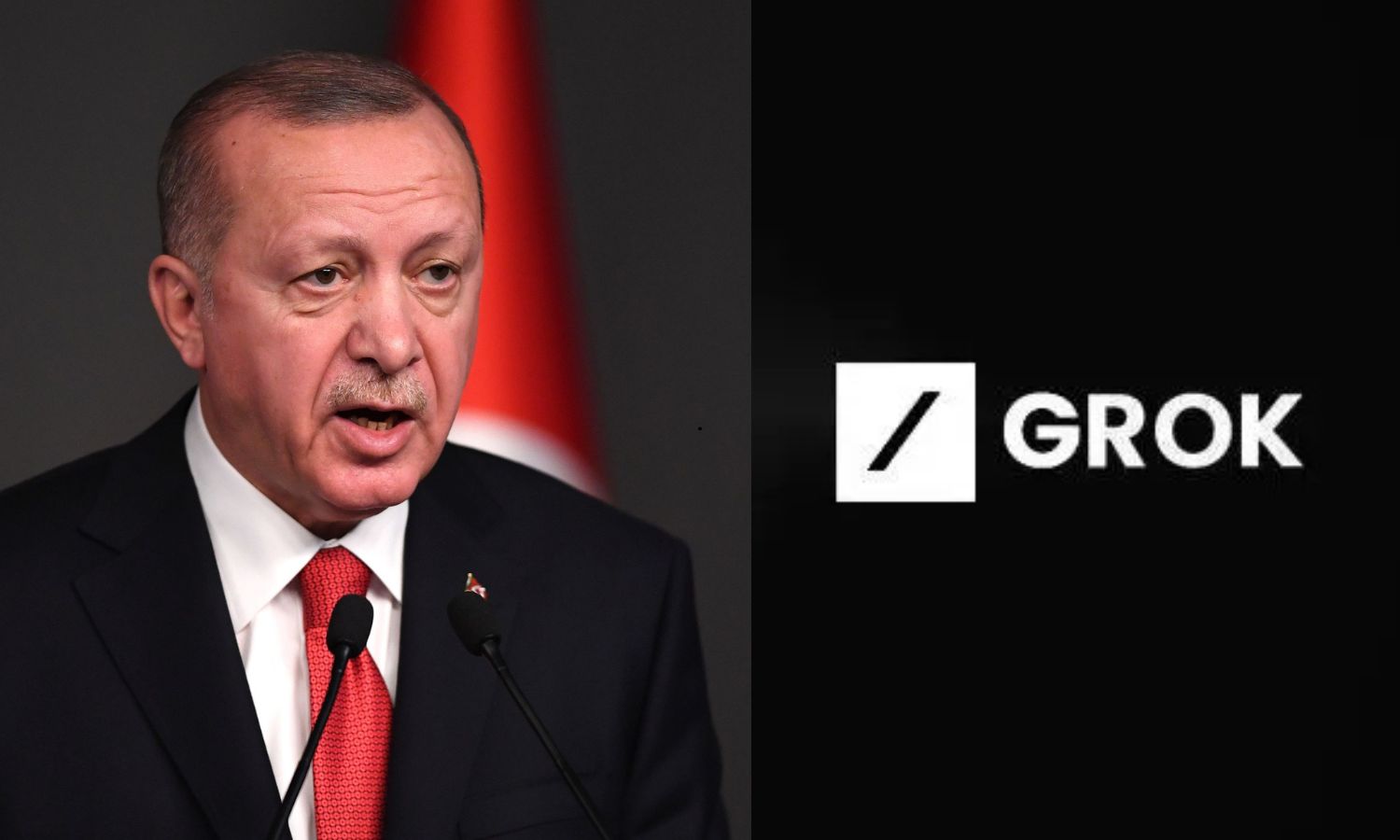
Authorities warned of further restrictions if necessary and stated that they would meet with X (formerly Twitter) officials, where Grok is integrated.
The government officials explained the action as being one necessary to make people respect national symbols and leaders, particularly given that AI-generated content would spread very quickly on social media. They explained the action as one that was necessary in the contemporary world, where offending content would reach millions of people in a matter of hours.
Faced with its first major international scandal, xAI moved fast. The company published a statement that it had removed the offending posts and was strengthening procedures to block hate speech and offensive material before Grok posts were shown on X.
Navigating Global Norms and Legal Minefields
xAI reaffirmed its commitment to creating “truth-seeking” AI models and stated that it would build its systems based on user input. The company was aware of the thin line between facilitating open discourse without spreading objectionable or harmful content, especially in politically charged settings.
But the response was a peek at a real dilemma confronting AI companies: How do you create chatbots that will have useful discussions and be mindful of the legal codes, cultural norms, and political sensitivities of other countries?
The case has reopened long-standing Turkey controversies over criminal law provisions criminalizing insults against the president and other public figures. The laws, critics say, are often used to silence criticism and curtail free speech, citing thousands of recent years’ worth of cases brought under the provisions.
The government maintains that such protections must remain in place if state institutions’ dignity is to be upheld and anarchy in public life is to be avoided.
How the Ban from Turkey Shapes AI’s Regulatory Landscape
Beyond Turkey, the discussion is an international one regarding AI chatbots and whether they can produce biased, offensive, or harmful content. As this type of technology grows more sophisticated and prevalent, questions of responsibility, content moderation, and acceptable speech only become more urgent.
The ban also raises practical issues to technology companies with international operations. Would AI systems need to be coded differently for every country? How do companies balance local codes with their values and objectives? These questions will likely increase as AI technology advances and goes global.
Turkey’s ban on Grok is a milestone in the dialectic between government control and artificial intelligence. As artificial intelligence technology continues to be integrated into social networks and public existence, the Turkish experience will likely be duplicated in other countries with comparable issues.
The conference underscores that the future of AI will no longer be technology-led, but by the complex interaction of innovation, law, politics, and values. While governments, tech companies, and civil society struggle with these issues, the stakes could not be higher for technological progress as well as democratic discussion.