The United States is weighing a new policy that could force semiconductor manufacturers to increase domestic production or face steep tariffs. According to The Wall Street Journal, the Trump administration is exploring rules that would require companies to match the volume of chips imported from overseas with equal production in the U.S.
This approach is designed to reduce America’s reliance on foreign suppliers for semiconductors, which power everything from smartphones and cars to military technologies. With much of the world’s chip output concentrated in Asia, U.S. policymakers have grown increasingly concerned about both economic and national security vulnerabilities.
Tariffs and Incentives Under Review
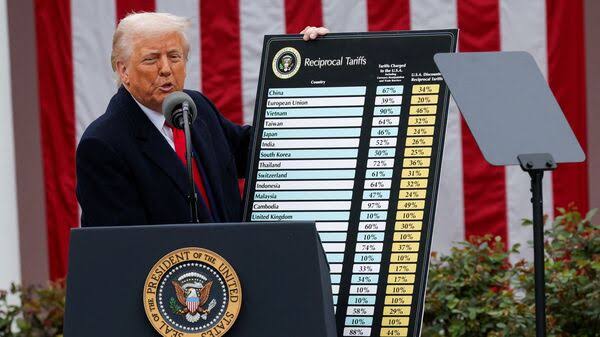
The plan under consideration combines tough tariff measures with incentives for companies that invest in U.S. manufacturing. Firms that fail to balance imports with domestic output could be hit with tariffs of up to 100%. However, companies committing to build new fabrication plants would be granted exemptions.
These exemptions would allow them to continue importing chips without penalties while their facilities are under construction. Additional relief could also help them scale up production once those plants are operational. The strategy effectively rewards companies for long-term investment in the U.S. while penalizing those who rely heavily on foreign fabs.
National Security at the Core
The idea was recently discussed with semiconductor executives by Commerce Secretary Howard Lutnick. He reportedly stressed that boosting U.S. capacity is essential for safeguarding the economy and securing supply chains.
A White House spokesperson told The Wall Street Journal that the administration views reducing dependence on foreign chip imports as critical for national and economic security. At the same time, the spokesperson noted that discussions of ongoing policymaking remain speculative until official announcements are made.
Neither the White House nor the Commerce Department responded to additional requests for comment from Reuters.
Billions Already Pledged in U.S. Manufacturing
Even before the latest proposal, Trump’s policies have prompted chipmakers to direct significant investment toward U.S. manufacturing. Companies including Intel, Taiwan Semiconductor Manufacturing Company (TSMC), and GlobalFoundries have pledged hundreds of billions of dollars to expand their presence in America.
GlobalFoundries, based in Malta, New York, has committed $16 billion to expand production facilities in New York and Vermont. Intel, which already operates several large plants in the U.S., has also announced ambitious expansion plans. These moves suggest companies are preparing for a future in which Washington places a higher premium on domestic chip output.
Challenges to Implementation
Industry analysts caution that enforcing a strict one-to-one ratio of domestic production to imports would be difficult. Semiconductor fabs are among the most expensive and technologically advanced facilities in the world, often requiring years to build and billions in investment.
John Belton, portfolio manager at Gabelli Funds, said the proposed rule could take many years to implement and may primarily benefit companies that already operate U.S. plants. His firm holds shares in both Intel and GlobalFoundries, two of the few chipmakers with significant domestic capacity.
Market Reaction
Despite the uncertainty, the policy discussion has sparked optimism among investors. Shares of Intel and GlobalFoundries both climbed about 5% following news of the proposal. Market watchers believe the companies are well-positioned to benefit if tariffs tilt the playing field toward domestic producers.
Investors also see potential for U.S. firms to gain a competitive advantage if overseas-dependent rivals face higher costs to sell in the American market.
Global Supply Chain Tensions
The proposal highlights a central dilemma: while the U.S. wants to strengthen its domestic semiconductor base, the industry remains highly globalized. Taiwan and South Korea dominate advanced chip production, led by TSMC and Samsung. Replicating their scale and expertise in the U.S. would take significant time and resources.
Tariffs could also raise costs for American businesses that rely heavily on chips, from carmakers to consumer electronics companies. Higher costs could eventually filter down to consumers, potentially fueling inflation and straining trade relationships with key partners.