The UK government has revealed a new ban on pornography that shows or simulates incest, marking another move in the government’s efforts to strengthen online safety laws.
The new law will make it illegal to possess or distribute pornography that shows sexual activity between family members or any form of incest theme. The new law is part of the government’s efforts to minimize harmful content on the internet and prevent content that may promote abuse.
The new law is an amendment to the Online Safety Act, which already requires technology companies and adult websites to protect their users from illegal and harmful content. The new law requires companies to take proactive measures to prevent incest-themed pornography from being hosted on their platforms. Failure to comply with the law may result in hefty fines.
UK Implements New Criminal Penalties and Platform Fines to Combat Incest Pornography
Anyone in possession of incest pornography could be jailed for a maximum of two years. Anyone who distributes incest pornography could be jailed for a maximum of five years. The government has made it clear that the law will be enforced not only on individuals but also on the platforms that distribute the content. The new ban was introduced through an amendment to the parliament on 23 February.
Victims and Tackling Violence Against Women and Girls Minister Alex Davies-Jones stated that the law is a result of the growing concern about the impact of certain online content. She stated that incest pornography has the potential to create damaging attitudes and that it may be a factor in the normalization of child sexual abuse. She stated that tougher laws mean that the content will not be tolerated.
The government has introduced the new law alongside efforts to improve the way cases move through the justice system. The government believes that faster court processing will enable victims to see results sooner and boost confidence in enforcement.
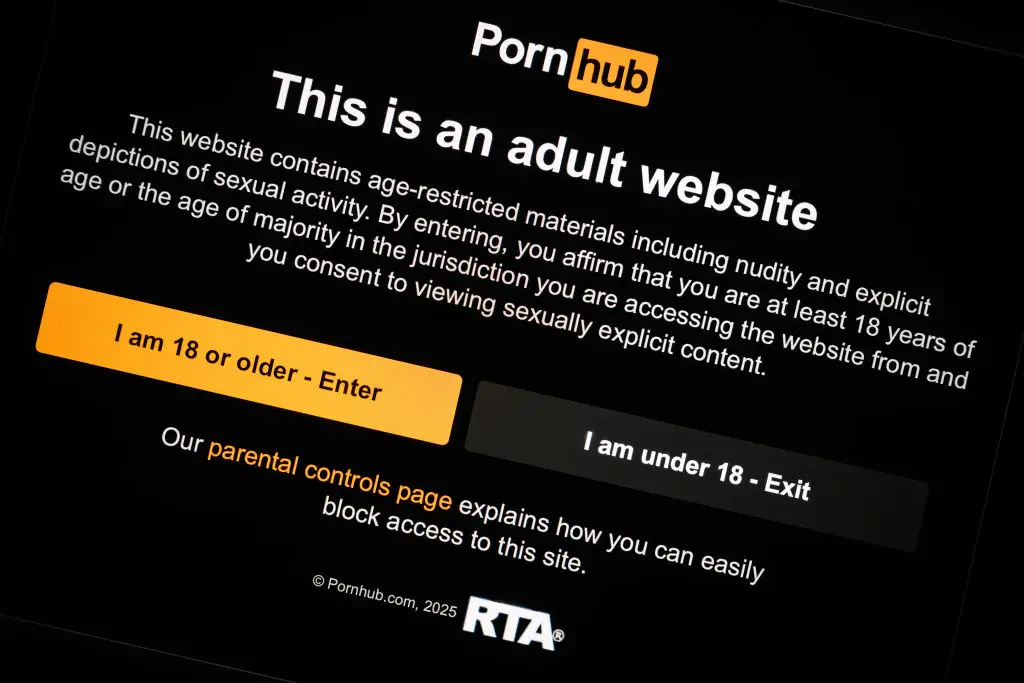
The move comes after other steps taken in connection with the Online Safety Act. These include making age verification obligatory on most porn sites visited in the UK and banning pornography that shows strangulation. The authorities also have more robust powers to take action against online platforms if harmful content is posted online.
The communications authority, Ofcom, is responsible for enforcing the legislation. It has the power to impose fines of up to £18 million or 10 percent of the company’s global turnover, whichever is the higher amount. In serious cases, senior executives can face prosecution if they do not cooperate with investigations or disregard the law.
Ofcom and the New Era of Digital Accountability
Ofcom has already exercised its powers under the Act. One adult website was fined more than £1 million for not putting in place adequate age verification measures. The authorities have made it clear that enforcement notices demonstrate that the law will be enforced, not just on paper.
The Online Safety Act, which was proposed in 2023, seeks to ensure that online platforms are more responsible for the safety of users. The Act requires companies to develop systems that minimize the distribution of illegal content and to remove harmful content once it has been identified. The Act encompasses a broad spectrum of crimes other than pornography.
As of early 2024, new crimes have been enacted through the Online Safety Act. These crimes include cyberflashing, threats of communication, incitement of serious self-harm, intimate image abuse, and sending misleading information with the intent to cause harm. Convictions have already been obtained for some of these crimes.
The government has indicated that a complete ban on pornography is not being proposed. Rather, the government seeks to restrict the distribution of content that is considered harmful while ensuring that legal adult content is not removed from the internet.
In extreme cases, the government can apply to the courts to deprive a non-compliant website of payment services, advertising, and internet access providers. This will effectively deprive the website of revenue and access in the UK.
According to officials, the new incest content ban is part of a larger plan to make the internet a safer place while clearly assigning legal responsibility to companies hosting user content. The next few months will tell how strictly companies will enforce these policies and how the new offences will be applied in court.