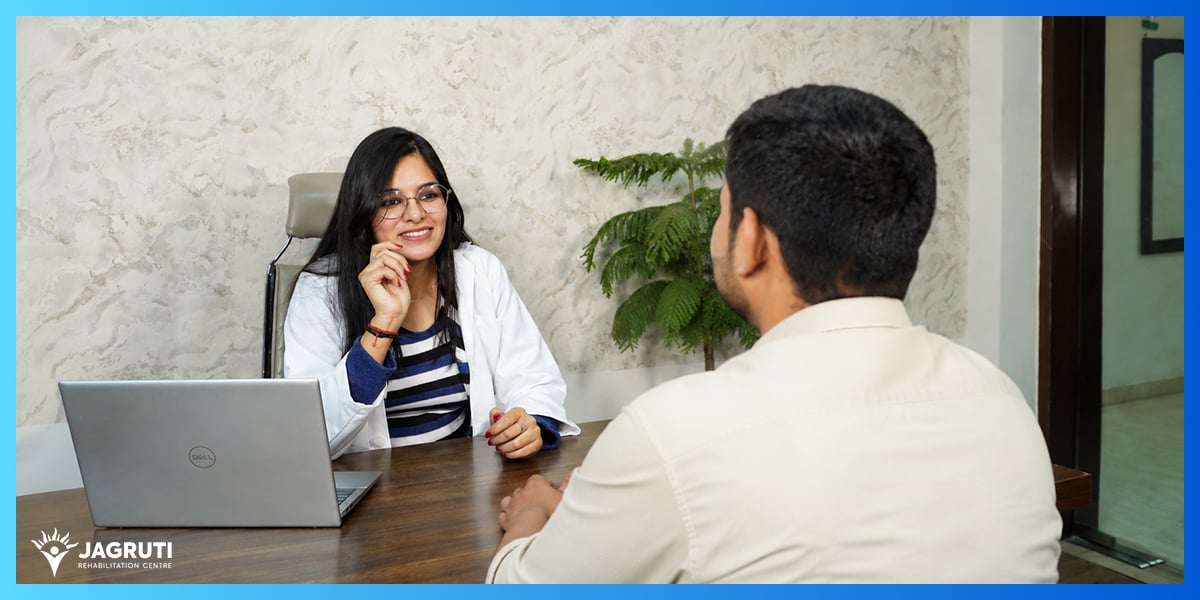
Trauma doesn’t affect everyone the same. Two people can have the same experience and wear it very differently. One person may carry its burden for years, another will get through it more easily. There is no timeline and no right way to feel. What does not change is that trauma leaves a scar, and that scar deserves care, not dismissal.
Recovery from trauma rarely occurs rapidly or easily. It’s a process and there are highs and lows along the way. That is where professional support can make a difference. The person does not have to figure everything out on his own with the right guidance. With the help of trained people, they can process their experience at a manageable rate and heal.
Understanding the Impact of Trauma
Psychological trauma is an emotional response to an event that is distressing or frightening. It can be caused by a one-time event such as an accident or assault, or develop over time with ongoing situations such as abuse, neglect or chronic stress. If you are seeking a rehabilitation centre in Delhi, knowing how trauma presents itself in everyday life is helpful.
Most people don’t know that trauma has many consequences. They may take on many forms depending on the circumstances:
- Emotional effects: Anxiety, sadness, fear, guilt, numbness or unexplained sudden mood changes.
- Behavioural effects: Pulling away from others, avoiding places or reminders, trouble sleeping, or turning to unhealthy habits for relief.
- Physical effects: Headaches, fatigue, racing heart, tension in the body, changes in appetite.
These effects can eventually spill over into relationships, work and daily life. Someone may struggle with trusting others, focusing, or feeling connected to the life they once enjoyed. That’s why early detection of trauma is so important.If left untreated, the emotional and physical stress level typically escalates and it becomes more difficult to recover later.
How Professional Support Helps Trauma Recovery
Trauma is complicated, and recovery usually involves more than patience and willpower. Recovery can really take hold in a safe, structured setting with professional support. Trained professionals know how trauma works. They know how to help a person move through trauma without being overwhelmed.
Psychological assessments are usually the first step in providing support.This allows the team to understand what the person has gone through, how it is impacting them and what type of care will be most helpful for them. From that point on, treatment is customised rather than applied by a fixed formula.
This support often consists of the following components:
- A person can analyse their experience and comprehend their reactions in individual therapy.
- By eliminating anything that could re-trigger discomfort, trauma-informed care guarantees that every aspect of treatment is administered with sensitivity.
- A person can handle challenging emotions and develop healthy reactions to stress with the aid of counselling and coping mechanisms.
- When appropriate, family participation enables loved ones to comprehend the individual’s situation and provide assistance.
When combined, these components lay the groundwork for a stable, long-lasting recovery as opposed to a transient solution.
A Personalised Approach to Recovery
Meera, a 29-year-old teacher from Delhi, has been suffering for over a year after surviving a serious car accident. She couldn’t drive without panicking and her restless nights and anxiety began to affect her career. It only made her feel worse, because she kept telling herself she should be over it by now. Her sister persuaded her and she finally approached the staff of Jagruti Rehabilitation Centre in Delhi for help.
Meera’s recovery began with a comprehensive assessment. The team took time to understand her symptoms, her experience and how the trauma impacted her daily life. They made a plan based on her comfort and individual needs instead of rushing her.
Her journey moved gently through several stages:
- She was able to work through the accident and understand why her body responded the way it did through individual therapy.
- The structured rehab provided her with a calm, supportive environment to focus on healing.
- She learned ways to cope with panic and to ground herself when anxiety would escalate.
- Ongoing support kept her connected to the team as she slowly re-established her normal routines.
It took a while for the change to come. But a few months later Meera began to travel again, to sleep better, to feel more like herself. Her recovery showed how, with personalised care and a slow pace, a patient can regain confidence after trauma.
Moving Forward After Trauma
Recovering from trauma does not mean forgetting what happened. The trick is to learn to live well in spite of it. This is primarily due to building resilience; the capacity to deal with challenges without reverting to distress.
A few things help support long-term well-being:
- Healthy coping mechanisms. Managing stress through routine, rest, movement, and honest conversation rather than avoidance.
- Ongoing follow-up. Regular check-ins that keep progress steady and catch setbacks early.
- A strong support system. Family, friends, and support groups who offer understanding and stay involved.
With these in place, emotional well-being tends to strengthen over time. Recovery becomes less about surviving each day and more about genuinely moving forward.
Conclusion
You don’t just bounce back from trauma. It takes time. It’s okay to ask for help along the way. Everyone processes difficult experiences differently, so support that is tailored to the individual matters a great deal. There are professional treatments that can help a person regain confidence, ease the emotional pain and find a sense of stability through a personalised treatment plan. With the right treatment and ongoing support, long-term recovery is very much achievable.