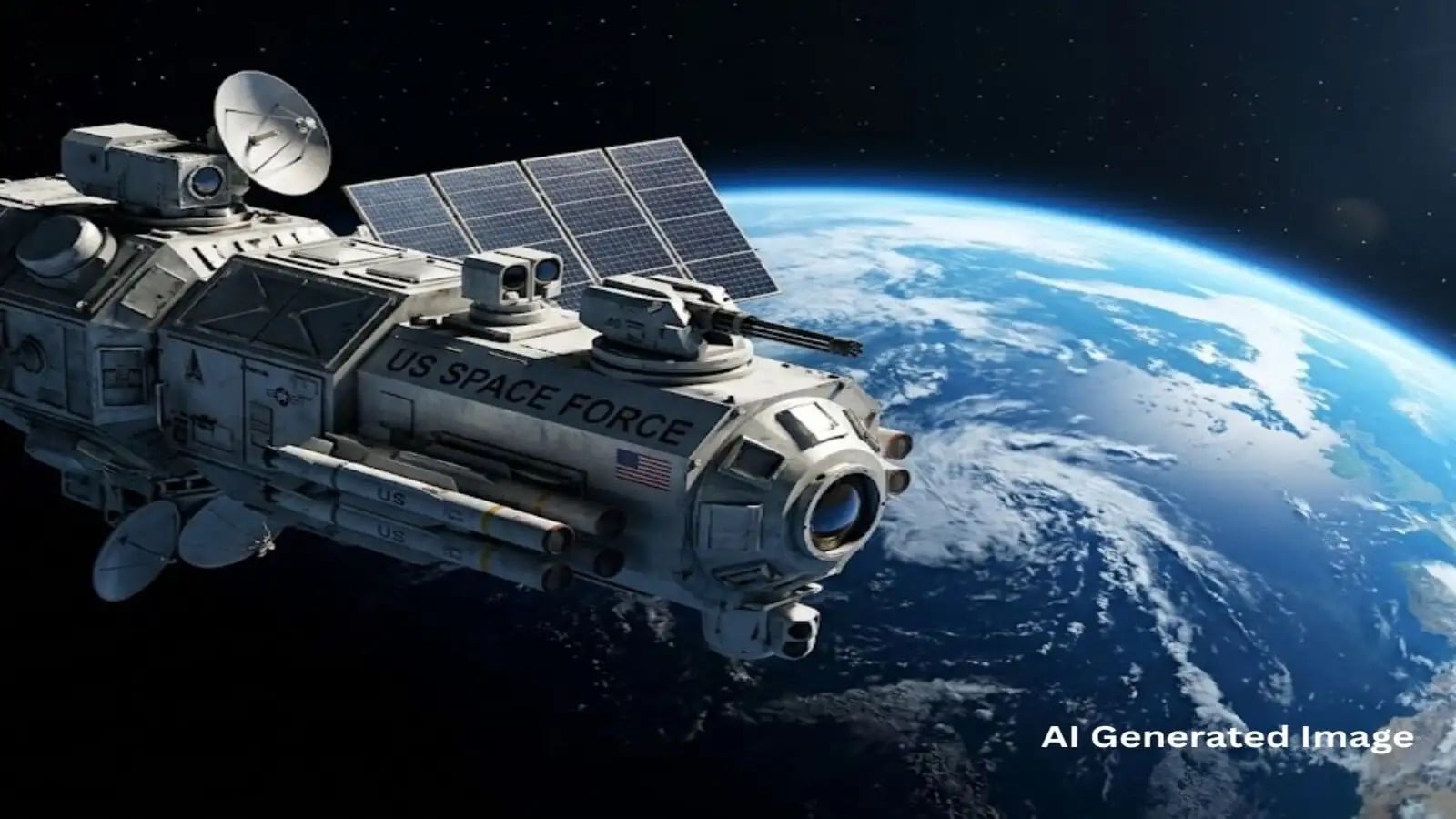
The United States has publicly acknowledged the deployment of space weapons for the first time, marking a major development in the country’s military space strategy. The announcement signals Washington’s growing focus on protecting its space-based assets and maintaining an advantage over rival nations as competition beyond Earth intensifies.
The disclosure has drawn attention to the expanding role of military technology in orbit and the potential consequences for global security. While countries have operated military satellites for decades, the acknowledgment of weapons designed to support space warfare represents a more direct recognition of the changing nature of conflict.
A Significant Military Disclosure
The announcement came from US Air Force Secretary Troy Meink, who confirmed that the United States Space Force possesses on-orbit space control weapons. These systems are intended to help defend American military forces and space assets against hostile actions.
The statement is significant because the US government has historically maintained a degree of secrecy around its offensive space capabilities. Although American officials have discussed the importance of countering threats in space, publicly acknowledging deployed weapons represents a notable shift in how the country communicates its military preparedness.
Meink’s disclosure did not provide a comprehensive account of the systems involved. Details about their precise locations, numbers, technical specifications and operational capabilities remain undisclosed. The lack of information means that the announcement establishes the existence of deployed capabilities without revealing the full extent of the programme.
Understanding Space Control Weapons
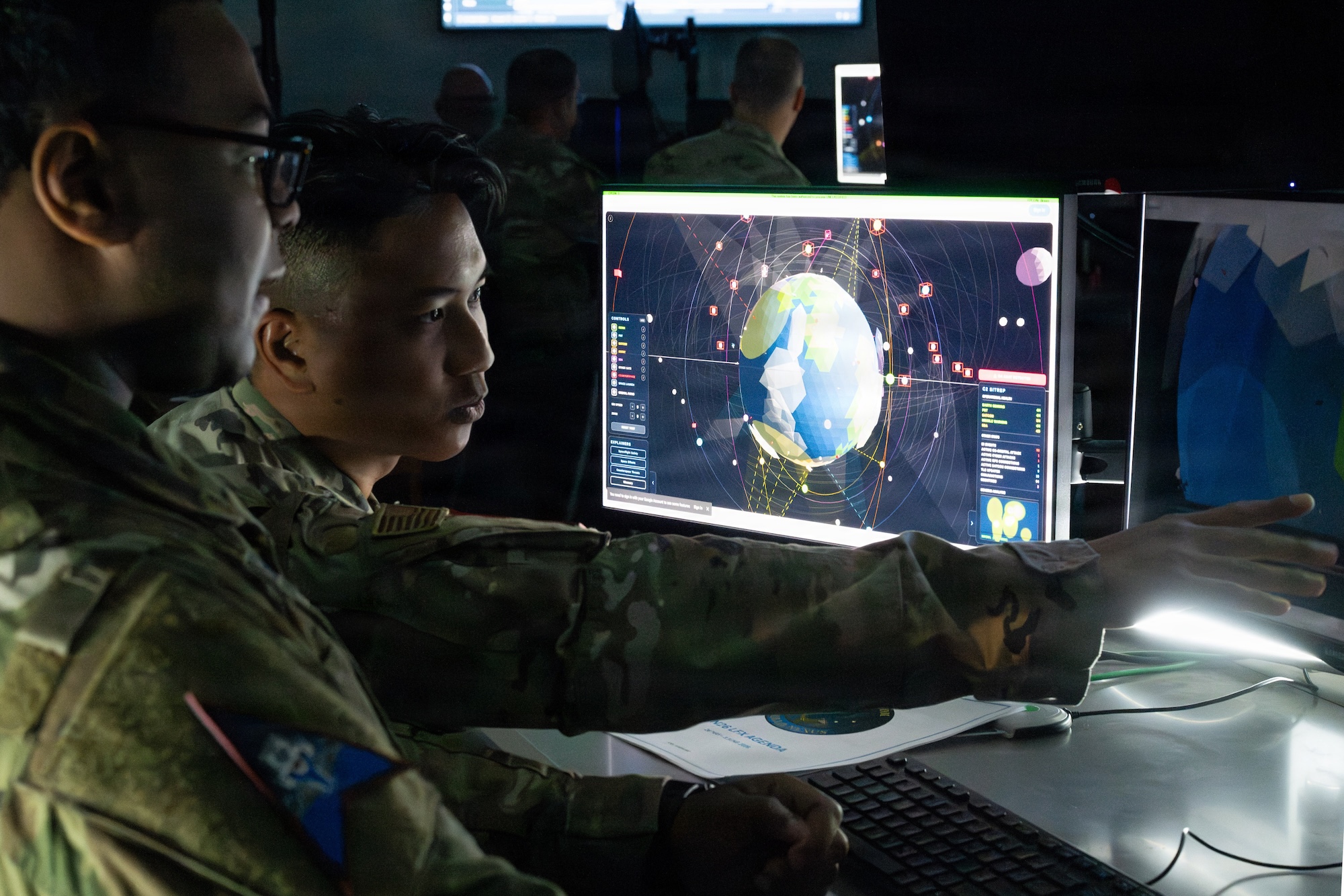
Space control weapons are designed to influence, protect or challenge the use of space by military forces. They can include technologies intended to interfere with an adversary’s satellites, disrupt communications or prevent hostile systems from supporting military operations.
Such capabilities may involve electronic warfare, signal jamming, cyber operations and other forms of non-kinetic interference. Some space weapons can also involve physical destruction, although the US acknowledgment does not establish that destructive anti-satellite weapons have been placed in orbit.
This distinction is important. The deployment of space weapons does not automatically mean that the United States has stationed missiles in space or intends to destroy satellites. The exact systems referenced by the secretary have not been fully identified, leaving considerable uncertainty about their capabilities and intended uses.
Why Space Has Become a Military Priority
Modern armed forces depend heavily on satellites. Communication networks, navigation systems, intelligence gathering, missile warning and battlefield coordination all rely on space-based infrastructure. Any disruption to these services could affect military operations and national security.
As a result, protecting satellites has become an increasingly important priority for defence planners. The United States has invested heavily in space capabilities and established the US Space Force in 2019 to organise and strengthen its military operations in the domain.
The latest announcement reflects this broader transformation. Space is no longer viewed solely as an arena for scientific exploration or communication. It has become an essential component of military strategy, with nations seeking to secure their own systems while developing ways to counter those of potential adversaries.
Growing Competition With China and Russia
The disclosure comes amid growing strategic competition between the United States, China and Russia. Washington has repeatedly expressed concern about the military space capabilities of both countries, including their development of technologies that could threaten satellites.
China has expanded its space programme and military capabilities, while Russia has demonstrated sophisticated space-related technologies and conducted activities that have prompted concern among Western defence officials. These developments have contributed to a growing perception that future conflicts could involve attacks on space infrastructure.
By acknowledging its own deployed space weapons, the United States may be seeking to demonstrate that it possesses the capabilities necessary to respond to threats. The disclosure could serve as a deterrent by signalling to potential adversaries that attacks on American space assets would not go unanswered.
However, the announcement also raises questions about whether greater transparency will reduce uncertainty or encourage further military competition.
Concerns About an Arms Race in Orbit
The militarisation of space has long been a concern for international policymakers. Although military satellites have been used for decades, the development and deployment of weapons capable of interfering with or attacking space systems could increase the risk of conflict.
An arms race in orbit could lead countries to invest more heavily in offensive and defensive technologies. This could make space operations more complex and increase the possibility that a confrontation between nations on Earth could extend into space.
There are also concerns about the potential consequences of attacks on satellites. Destroying or severely damaging a satellite could generate debris that threatens other spacecraft, including systems operated by countries not involved in the conflict. Such incidents could affect communications, navigation and other services used by civilian populations.
The United States and other major space powers therefore face pressure to balance military preparedness with efforts to prevent destabilising activities in orbit.
International Legal Questions
The deployment of space weapons also raises questions about international law. The 1967 Outer Space Treaty prohibits placing nuclear weapons and other weapons of mass destruction in orbit, but it does not prohibit every conventional military capability in space.
This distinction has allowed countries to develop and operate a range of military space systems while remaining within the treaty’s central restrictions. Nevertheless, the increasing deployment of technologies designed to interfere with space assets has generated debate over whether existing international rules are sufficient.
Some governments and experts have called for stronger agreements governing responsible behaviour in space. Such efforts could focus on preventing attacks that create dangerous debris, protecting civilian space infrastructure and establishing clearer expectations for military operations.
What the Announcement Means
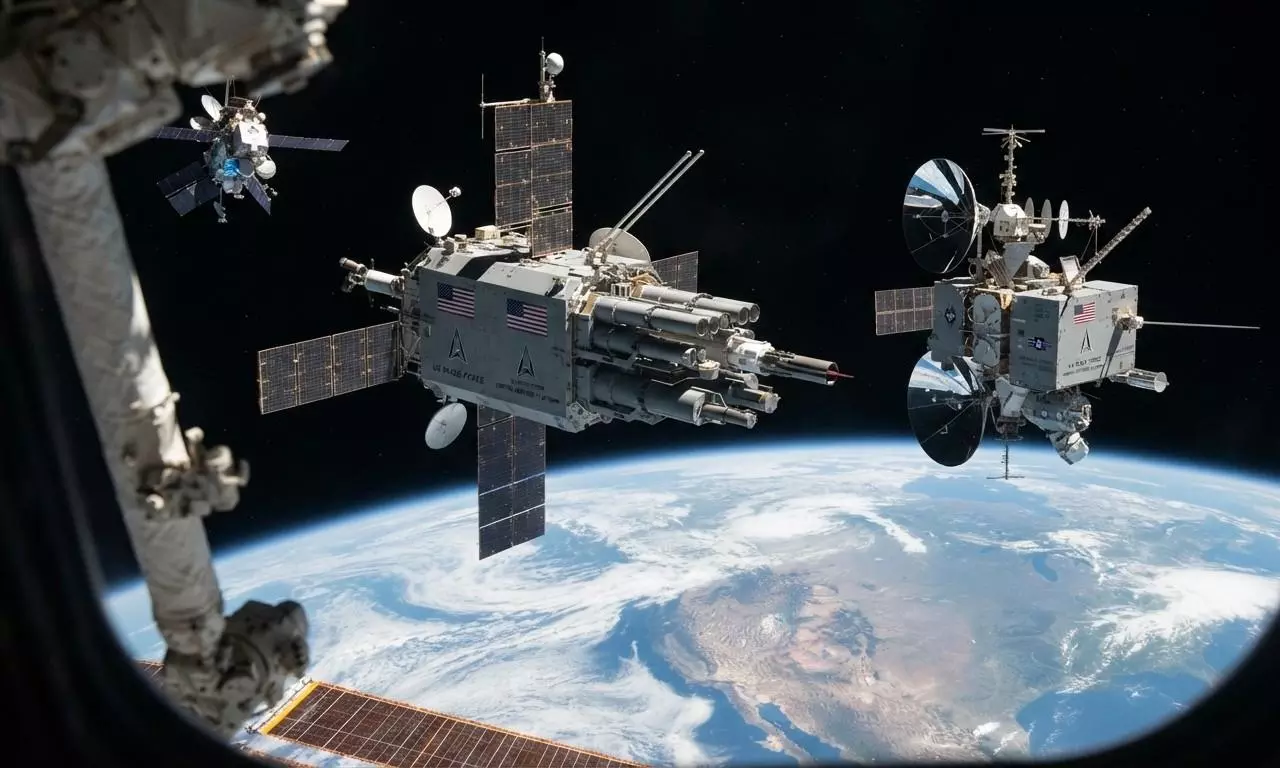
The US confirmation is important not only because of the weapons themselves but also because it makes a previously sensitive aspect of American military policy more visible. It demonstrates that the United States is willing to publicly acknowledge its ability to conduct space control operations.
The announcement does not establish that a space war is imminent. Nor does it provide evidence that the United States has deployed nuclear weapons or conventional missiles in orbit. Instead, it confirms that Washington has operationally relevant capabilities intended to support military objectives in space.
As space becomes more central to national security, countries will likely continue developing technologies to protect their satellites and counter potential threats. The challenge will be ensuring that this competition does not undermine the long-term safety and sustainability of the space environment.
The latest disclosure may therefore mark a turning point in the public discussion of space warfare. It highlights the reality that military competition has expanded beyond the Earth’s surface and underscores the need for strategic restraint, international dialogue and clearer rules governing the use of force in orbit.