Cricket icon Virat Kohli has reportedly handed over the General Power of Attorney (GPA) for his sprawling Gurugram bungalow to his elder brother, Vikas Kohli. The luxurious residence, nestled in DLF City Phase-1, carries an estimated value of ₹80 crore, making it one of the most premium private homes in the Delhi-NCR region.
Sources familiar with the matter revealed that the decision was purely practical. With Kohli currently residing in London along with his wife, Anushka Sharma, and their two children, the move ensures that legal, administrative, and maintenance-related aspects of the property can be managed seamlessly in his absence.
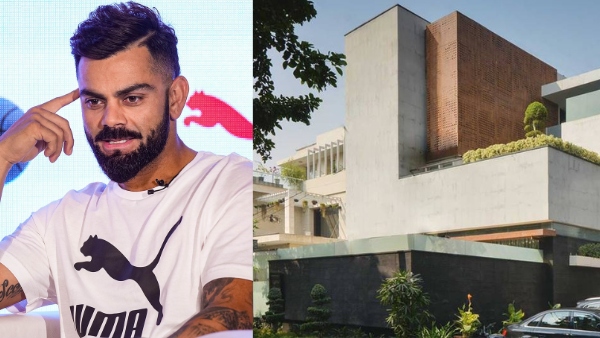
Credits: myKhel
By granting Power of Attorney, Kohli has authorised his brother to act on his behalf in all matters concerning the property — from maintenance to potential transactions — ensuring that nothing requires his direct involvement from overseas.
Understanding the Power of Attorney
The development has sparked public interest in a legal concept that often remains misunderstood — the Power of Attorney (PoA). Simply put, a PoA is a legal document through which one person (the principal) empowers another (the agent) to act on their behalf.
This authorisation can cover a wide range of responsibilities, including managing property, conducting financial transactions, or handling legal affairs. When someone lives abroad — as in Kohli’s case — a PoA becomes an invaluable tool for ensuring continuity in property management and other obligations back home.
For example, if a homeowner is based overseas but owns real estate in India, they can issue a Power of Attorney to a trusted relative or associate. That person can then perform legally binding actions like leasing, selling, or maintaining the property — as if the owner themselves were present.
Types of Power of Attorney
In India, there are primarily two forms of Power of Attorney:
- General Power of Attorney (GPA):
This grants broad and sweeping powers to the agent, allowing them to manage all of the principal’s affairs — including financial, legal, and property-related matters. Kohli’s decision to issue a GPA gives his brother the flexibility to handle every aspect of the Gurugram property. - Special Power of Attorney (SPA):
This is more restrictive, limited to a specific task or transaction. For instance, a property owner might issue an SPA authorising an agent to sell one particular plot or represent them in a single court case. Once the specified task is completed, the SPA automatically expires.
Legal Process and Validity
Executing a Power of Attorney in India is straightforward but must follow due process to hold legal weight. It is typically drawn on a non-judicial stamp paper worth ₹100, signed by both the principal and the agent, and attested by two witnesses. For added legal authenticity, the document is usually notarised.
Importantly, the principal — in this case, Virat Kohli — retains full control over the document’s validity. He can revoke the PoA at any time. It also becomes void in situations such as the death, bankruptcy, or mental incapacity of the principal, or upon the completion of the specified task in the case of an SPA. Similarly, if the agent (Vikas Kohli) chooses to step back, the PoA can be terminated.
A Common Practice Among NRIs
While Kohli’s decision has made headlines due to his celebrity status, such arrangements are quite common among Indians living abroad. Many Non-Resident Indians (NRIs) issue Powers of Attorney to family members to handle real estate, banking, or business matters in India.
For someone like Kohli, whose professional and personal commitments often take him across continents, delegating property management is both sensible and efficient. It ensures that the day-to-day legal and financial formalities related to his ₹80-crore Gurugram estate are managed responsibly — without him having to make frequent trips back to India.

Credits: News18
The Bottom Line
Virat Kohli’s decision underscores how even the country’s biggest stars rely on simple legal instruments to manage complex realities. The Power of Attorney might sound technical, but in essence, it’s about trust and practicality — trusting someone close to safeguard one’s interests, and ensuring that life runs smoothly even from thousands of miles away.
For Kohli, it’s not just about cricketing precision anymore; it’s about striking balance between life, legacy, and legal prudence.