• Send Us A Tip
  • Calling all Tech Writers
  • Advertise
Thursday, July 2, 2026
  • Login
TechStory
  • News
  • Crypto
  • Gadgets
  • Memes
  • Gaming
  • Cars
  • AI
  • Startups
  • Markets
  • How to
No Result
View All Result
  • News
  • Crypto
  • Gadgets
  • Memes
  • Gaming
  • Cars
  • AI
  • Startups
  • Markets
  • How to
No Result
View All Result
TechStory
No Result
View All Result
Home Tech Automobiles

Volkswagen and Audi Issue Major Recall for Over 60,000 EVs Due to Gear Display Malfunction

by Samir Gautam
March 5, 2025
in Automobiles, Cars
Reading Time: 3 mins read
0
Volkswagen and Audi Issue Major Recall for Over 60,000 EVs Due to Gear Display Malfunction
TwitterWhatsappLinkedin

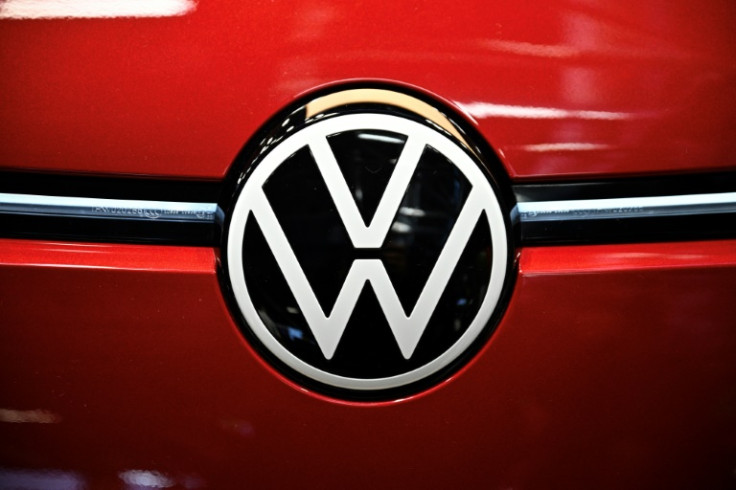
The Volkswagen Group has issued a massive recall impacting over 60,000 electric vehicles (EVs) in the United States and Canada. The recall, acknowledged by the National Highway Traffic Safety Administration (NHTSA), highlights a critical issue where the transmission gear lever indication may fail to display correctly. This defect could prevent drivers from properly engaging the parking brake, leading to a risk of unintended vehicle movement and potential crashes.

You might also like

Lamborghini Unveils Urus SE Performante, Bets Big on Hybrid Power Instead of EVs

2027 Chevrolet Corvette Stingray Becomes the Most Affordable 200 MPH Sports Car

Automakers Turn to Aluminium Wiring as Rising Copper Costs Reshape EV Production

Faulty Display Poses a Serious Safety Concern

According to Volkswagen Group’s official notification to the NHTSA, the affected vehicles may not display the “N” gear position on the instrument panel. This omission could result in drivers being unaware of their vehicle’s true gear status, leading to rollaway incidents if the parking brake is not engaged manually. The automaker has identified this malfunction as a serious safety hazard, increasing the risk of crashes, property damage, and injuries.

“Failure to display the gear position may result in a vehicle rollaway if the parking brake is not engaged, increasing the risk of a crash,” Volkswagen stated in its recall notice.

Which Vehicles Are Affected?

This recall exclusively impacts Volkswagen and Audi EVs, sparing the company’s internal combustion engine (ICE) and hybrid models. The affected EVs include:

  • Volkswagen ID.4 (2021-2023 models) – 50,971 units in the U.S.
  • Audi Q4 e-tron (2022-2023 models) – 7,492 units in the U.S.
  • Audi Q4 e-tron Sportback (2022-2023 models) – 2,027 units in the U.S.

In addition to the U.S. figures, 5,475 Volkswagen ID.4s in Canada have also been included in the recall. This brings the total number of affected vehicles across North America to over 65,000.

Audi of America pauses paid Twitter advertising | Reuters
Volkswagen and Audi Issue Major Recall for Over 60,000 EVs Due to Gear Display Malfunction

Volkswagen’s Solution: Software Update to Fix the Issue

To address this safety concern, Volkswagen Group will be rolling out a cost-free fix to affected vehicle owners. The company plans to install updated brake control unit software to rectify the gear indication problem. Vehicle owners will receive individual notifications from the automaker informing them of the recall and steps to take for the repair.

Owners concerned about their vehicle’s status can check their recall eligibility using the NHTSA’s recall lookup tool. By entering their vehicle’s VIN, license plate number, or model details, drivers can confirm if their car is affected and schedule the necessary fix.

How to Check If Your EV Is Affected

Volkswagen and Audi owners are advised to verify their vehicle’s recall status using the NHTSA’s online recall lookup tool. This tool allows users to enter their vehicle identification number (VIN) or license plate number to see if their car is included in the recall. Notifications will start reaching owners by April 25, 2025.

The Bigger Picture: EV Recalls and Safety Challenges

This recall highlights the ongoing challenges automakers face in refining EV technology. As manufacturers transition from traditional combustion engines to software-driven electric powertrains, software malfunctions have become a leading cause of recalls. Issues like braking anomalies, gear indication failures, and battery management concerns remain key areas of focus for improving EV safety.

Volkswagen and Audi join a growing list of manufacturers addressing software-related defects in their electric fleets. As the auto industry continues to innovate, ensuring software reliability and preventing safety hazards like this gear display issue will be critical in maintaining consumer trust.

Final Thoughts

For Volkswagen and Audi EV owners, addressing this recall is crucial to ensure their vehicles are safe and fully functional. If you own an affected model, schedule a fix as soon as Volkswagen provides the necessary updates. With the rapid evolution of EV technology, keeping software up to date is essential for both safety and performance.

For more information, visit NHTSA’s official website or contact Volkswagen and Audi customer service for assistance regarding this recall.


Tags: VolkswagenVolkswagen EV
Tweet55SendShare15
Previous Post

BMW Unveils a Comprehensive Digital Archive of Its Storied Automotive Legacy

Next Post

PayPal-Backed Mintoak Buys Digiledge for $3.5M to Boost CBDC Solutions

Samir Gautam

Recommended For You

Lamborghini Unveils Urus SE Performante, Bets Big on Hybrid Power Instead of EVs

by Samir Gautam
July 2, 2026
0
Lamborghini Unveils Urus SE Performante, Bets Big on Hybrid Power Instead of EVs

Lamborghini has expanded its electrified lineup with the debut of the new Urus SE Performante, a plug-in hybrid SUV that pushes the brand further into high-performance hybrid technology...

Read more

2027 Chevrolet Corvette Stingray Becomes the Most Affordable 200 MPH Sports Car

by Samir Gautam
July 2, 2026
0
2027 Chevrolet Corvette Stingray Hits 200 MPH

The Chevrolet Corvette has reached another landmark in its seven-decade history. Marking National Corvette Day, General Motors announced that the 2027 Chevrolet Corvette Stingray can now achieve a...

Read more

Automakers Turn to Aluminium Wiring as Rising Copper Costs Reshape EV Production

by Samir Gautam
July 1, 2026
0
The automotive industry is quietly undergoing one of its biggest material changes in decades. As copper prices continue to climb and supply constraints intensify, leading automakers are increasingly replacing traditional copper wiring with aluminium in electric and hybrid vehicles. Luxury brands such as Ferrari and BMW are expanding the use of aluminium wiring across their latest models, joining companies like Tesla and several Chinese electric vehicle manufacturers that adopted the technology earlier. The shift signals more than just a cost-saving exercise. It reflects a broader effort to build lighter, more efficient vehicles while preparing for long-term pressure on global copper supplies. Copper's Cost Challenge Is Driving Change Copper has been the preferred material for automotive electrical systems for generations because of its excellent conductivity and durability. However, growing demand from renewable energy projects, artificial intelligence infrastructure, and expanding data centres has significantly increased pressure on global copper supplies. Industry analysts expect this imbalance between demand and supply to persist for years, pushing manufacturers to explore alternative materials that can deliver similar performance at a lower cost. Aluminium has emerged as the strongest candidate. It currently costs roughly one-quarter as much as copper while offering significant weight savings, making it particularly attractive for electric vehicles where every kilogram affects battery efficiency and driving range. Ferrari and BMW Expand Aluminium Use Ferrari introduced aluminium power cables in its 296 hybrid sports car and has since expanded the technology into additional models, including its newly launched fully electric vehicle. According to the company, switching to aluminium reduces the overall weight of wiring systems by as much as 20 percent. BMW has been using aluminium conductors for more than a decade, beginning with its compact models before gradually integrating them into hybrid and electric vehicles. The company's latest eDrive platform now incorporates aluminium extensively across both high-voltage and low-voltage electrical systems. While aluminium's lower price offers a financial advantage, both manufacturers emphasize that performance, efficiency and weight reduction remain the primary reasons behind the transition. Chinese EV Makers Push Adoption Further China's electric vehicle sector is accelerating the industry's move toward aluminium wiring. Manufacturers including XPeng, Xiaomi and AVATR have adopted the material as competition in the domestic EV market continues to squeeze profit margins. The Chinese government has also encouraged manufacturers to increase aluminium substitution across multiple industries, including automotive, power equipment and household appliances. Engineering experts believe aluminium has substantial room to replace copper, particularly in battery busbars and electrical distribution systems where copper still dominates today's vehicles. Industry-Wide Shift Expected to Continue Consultants and investment analysts expect aluminium adoption to grow steadily over the remainder of the decade. Estimates suggest that around two percent of global copper demand could be replaced by aluminium this year, with that figure potentially reaching six percent by 2030 if copper prices remain elevated. The transition is not without challenges. Aluminium requires greater volume than copper to carry the same electrical current and its production is more energy intensive. Manufacturers must also redesign certain components to accommodate its different physical properties. Despite these engineering considerations, the combination of lower material costs, lighter vehicle weight and long-term supply security is making aluminium an increasingly attractive choice for automakers worldwide. As electric vehicle production expands and pressure on critical raw materials continues to grow, aluminium wiring is rapidly moving from an alternative solution to a mainstream automotive technology. The shift highlights how material innovation is becoming just as important as battery development in shaping the next generation of mobility.

The automotive industry is quietly undergoing one of its biggest material changes in decades. As copper prices continue to climb and supply constraints intensify, leading automakers are increasingly...

Read more
Next Post
PayPal-Backed Mintoak Buys Digiledge for $3.5M to Boost CBDC Solutions

PayPal-Backed Mintoak Buys Digiledge for $3.5M to Boost CBDC Solutions

Please login to join discussion

Techstory

Tech and Business News from around the world. Follow along for latest in the world of Tech, AI, Crypto, EVs, Business Personalities and more.
reach us at info@techstory.in

Advertise With Us

Reach out at - info@techstory.in

Aviator Game India 2026

BROWSE BY TAG

#Crypto #howto 2024 acquisition AI amazon Apple Artificial Intelligence bitcoin Business China cryptocurrency e-commerce electric vehicles Elon Musk Ethereum facebook funding Gaming Google India Instagram Investment ios iPhone IPO Market Markets Meta Microsoft News OpenAI samsung Social Media SpaceX startup startups tech technology Tesla TikTok trend trending twitter US

© 2025 Techstory.in

No Result
View All Result
  • News
  • Crypto
  • Gadgets
  • Memes
  • Gaming
  • Cars
  • AI
  • Startups
  • Markets
  • How to

© 2025 Techstory.in

Welcome Back!

Login to your account below

Forgotten Password?

Retrieve your password

Please enter your username or email address to reset your password.

Log In
Are you sure want to unlock this post?
Unlock left : 0
Are you sure want to cancel subscription?