Musk’s Businesses Caught in Geopolitical Crossfire
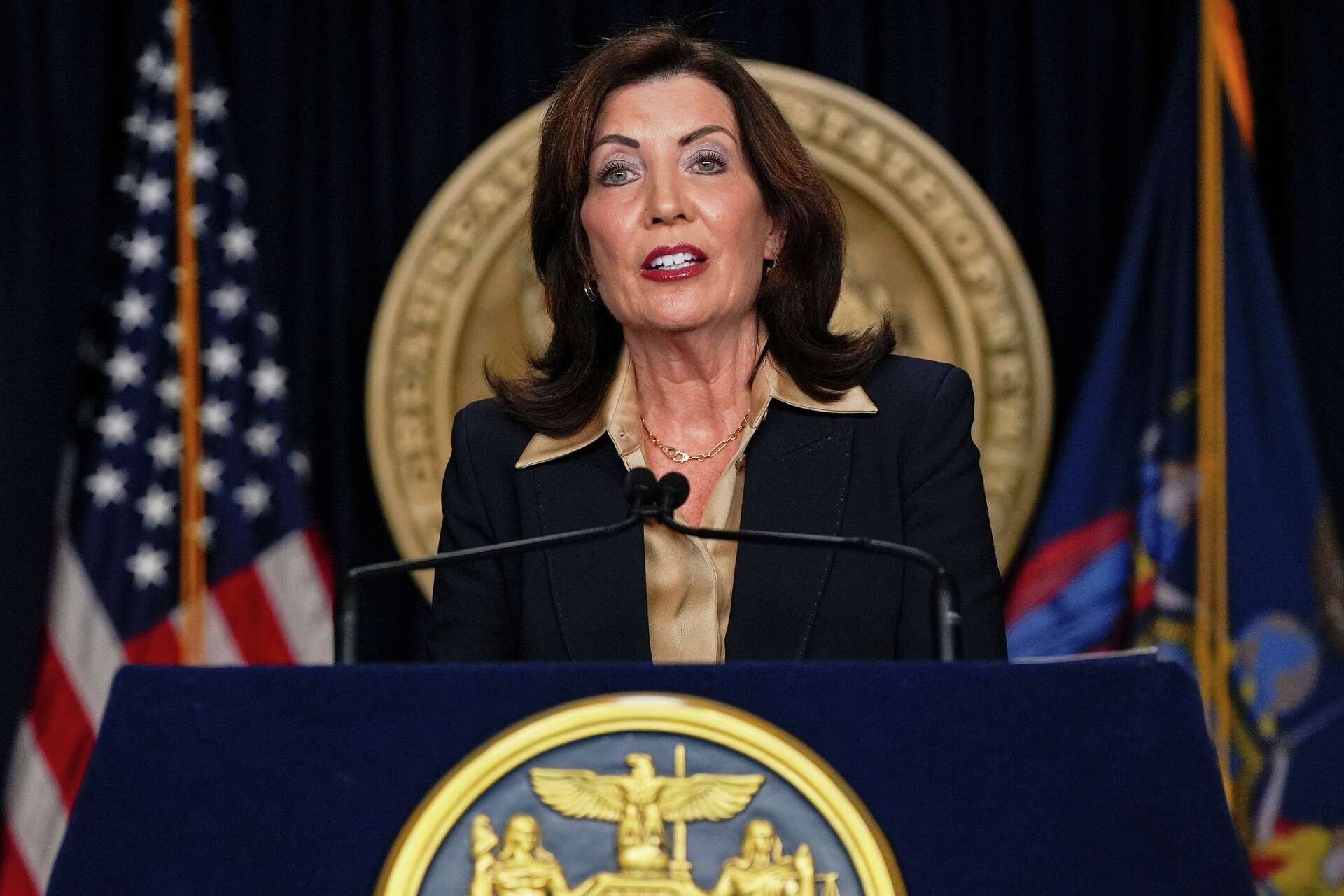
Tensions in the Middle East have taken a dramatic turn after Iran reportedly declared Elon Musk-linked business interests as legitimate military targets. The announcement specifically referenced Starlink infrastructure and other Musk-affiliated assets operating in the region. Tehran has justified the move as a response to alleged US military actions, highlighting how private technology companies are increasingly becoming entangled in geopolitical conflicts. If such threats escalate further, they could raise concerns about the security of commercial satellite networks and private infrastructure operating in politically sensitive regions. The development underscores the growing strategic importance of technology platforms in modern warfare.

Xbox Prepares for Major Restructuring
Microsoft’s gaming division, Xbox, is reportedly gearing up for one of its largest restructurings in recent years. The company is expected to implement a significant round of layoffs while reducing marketing and operational spending. The changes come under Xbox CEO Asha Sharma, who assumed leadership of the gaming business earlier this year. The restructuring signals Microsoft’s efforts to streamline costs and improve efficiency amid rising competition in the gaming industry. As gaming companies face mounting development costs and changing consumer preferences, Xbox’s next steps could shape its long-term strategy and determine how it competes against industry rivals in the years ahead.

Former Engineer Sues xAI Over Grok Safety Concerns
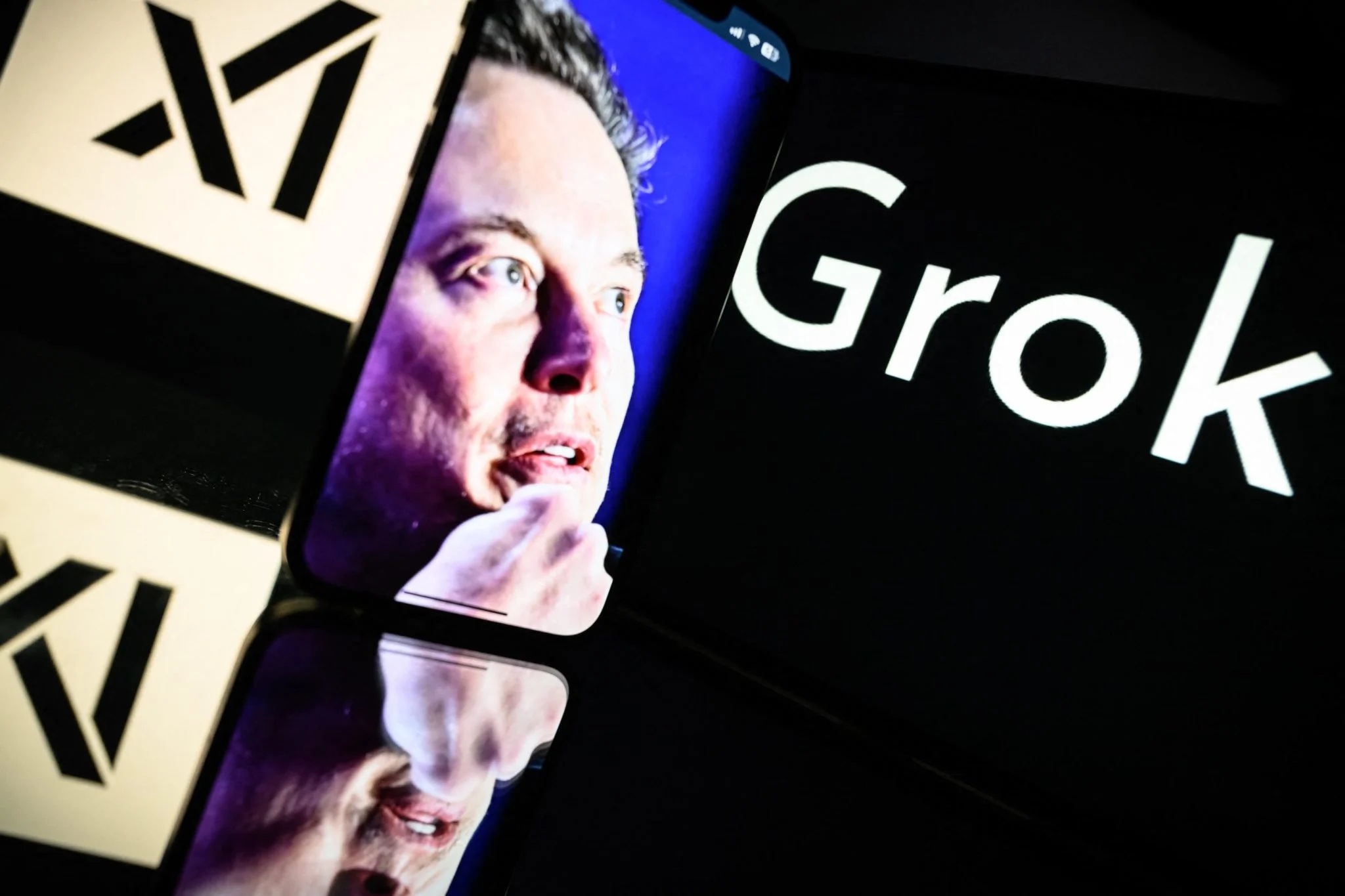
Elon Musk’s artificial intelligence startup xAI is facing legal challenges after a former engineer accused the company of prioritizing growth over AI safety. Devin Kim, who previously worked at xAI, alleges he was dismissed after raising concerns about the risks associated with Grok, the company’s flagship chatbot. According to the lawsuit, Kim advocated for stronger safeguards and responsible AI practices but faced resistance internally. The case highlights the growing debate surrounding AI development, where companies are racing to build more powerful systems while regulators and experts push for stronger oversight. The lawsuit could intensify scrutiny of AI governance across the industry.
EU Turns Up Pressure on Meta’s AI Ambitions
The European Union has escalated its oversight of Big Tech by ordering Meta to provide rival AI developers access to WhatsApp during an ongoing antitrust investigation. Regulators believe Meta may be leveraging its dominance in messaging to strengthen its AI offerings and potentially disadvantage competitors. The interim measure represents a significant challenge to Meta’s strategy of integrating artificial intelligence across its ecosystem of products and services. As AI becomes a central battleground for technology companies, regulators worldwide are increasingly focused on ensuring fair competition. The outcome of the investigation could influence how digital platforms expand their AI capabilities in the future.

Kalshi Strengthens Safeguards for Prediction Markets
Prediction market operator Kalshi has unveiled a series of integrity measures aimed at enhancing trust and transparency within the rapidly growing sector. The company says the new policies are designed to prevent market manipulation, strengthen oversight, and address concerns related to insider trading. Prediction markets have gained significant popularity as investors and participants increasingly use them to forecast outcomes ranging from elections to economic events. However, their growth has also attracted greater regulatory attention. By introducing stricter safeguards, Kalshi hopes to reinforce confidence in the industry while positioning itself as a leader in responsible market operations during a critical period of expansion.

New York Mandates Disclosure of AI-Generated Actors
New York has become the first US state to require advertisers to disclose when AI-generated people, known as synthetic performers, are used in advertisements. The law, which took effect on June 10, reflects growing concerns about the realism of AI-generated content and its potential to mislead consumers. Signed by Governor Kathy Hochul, the legislation aims to improve transparency as artificial intelligence becomes increasingly common in marketing campaigns. Supporters argue that consumers deserve to know whether they are viewing real individuals or digitally created characters. The move could serve as a model for other states considering regulations around AI-generated media and advertising practices.