Regulators Zero In on Ride-Hailing Algorithms
India’s ride-hailing sector is back under scrutiny — and this time, regulators aren’t just looking at pricing, they’re trying to understand how pricing is created. The ongoing investigation into Ola and Uber’s dynamic fare algorithms has slowed not because the case is losing steam, but because decoding the tech is proving more complex than expected. Officials now believe external technical experts may be required to determine whether the algorithms cross into unfair digital trade practices. A senior official hinted that while “lapses exist,” any corrective mandate must be backed by evidence — not guesswork. The outcome could redefine pricing transparency in India’s mobility economy.

Credits: Inc 42
Ola Foods Quietly Goes Offline
In a surprising move, Ola Foods — the cloud kitchen and food delivery arm under Ola Consumer — has quietly disappeared from ordering platforms, including the ONDC network. No official announcement has been made, but insiders suggest operations have been paused while leadership reevaluates the business plan and long-term strategy. The exit signals a strategic rethink rather than a shutdown — especially as Ola doubles down on electric mobility, payments, and consumer tech. The sudden disappearance has sparked speculation: is Ola consolidating operations, or simply preparing for a relaunch with a sharper model? For now, the silence leaves room for interpretation.

Credits: Deccan Founders
Zee Begins Workforce Restructuring Amid Reset
For Zee Entertainment, the week brought tough but decisive action. The company has reportedly let go of around 200 employees and external consultants, with plans to streamline up to 15% of its total workforce — roughly 500 permanent roles. The restructuring reflects a broader shift in India’s media landscape, where cost optimization and digital-first strategies are becoming non-negotiable. As streaming platforms reshape consumer habits, legacy broadcasters are being forced to reinvent themselves — and fast. Zee’s layoffs, though difficult, signal a renewed focus on efficiency, sharper content bets, and sustainable operations as the company navigates an intensely competitive entertainment environment.

WeWork India’s IPO Gets Judicial Clearance
Amid market turbulence and global uncertainty around the coworking business model, WeWork India secured a regulatory win. The Bombay High Court upheld SEBI’s approval of the company’s ₹3,000 crore IPO, dismissing petitions that accused the regulator of ignoring alleged disclosure gaps in the draft prospectus. The decision clears the way for one of the most closely watched public market debuts in India’s workspace sector. With flexible offices now embedded in hybrid work culture, the IPO comes at a crucial time — signalling investment confidence in India’s evolving real estate and workplace economy. Next: investor appetite will tell the real story.

Paytm Strengthens Group Control With Subsidiary Integration
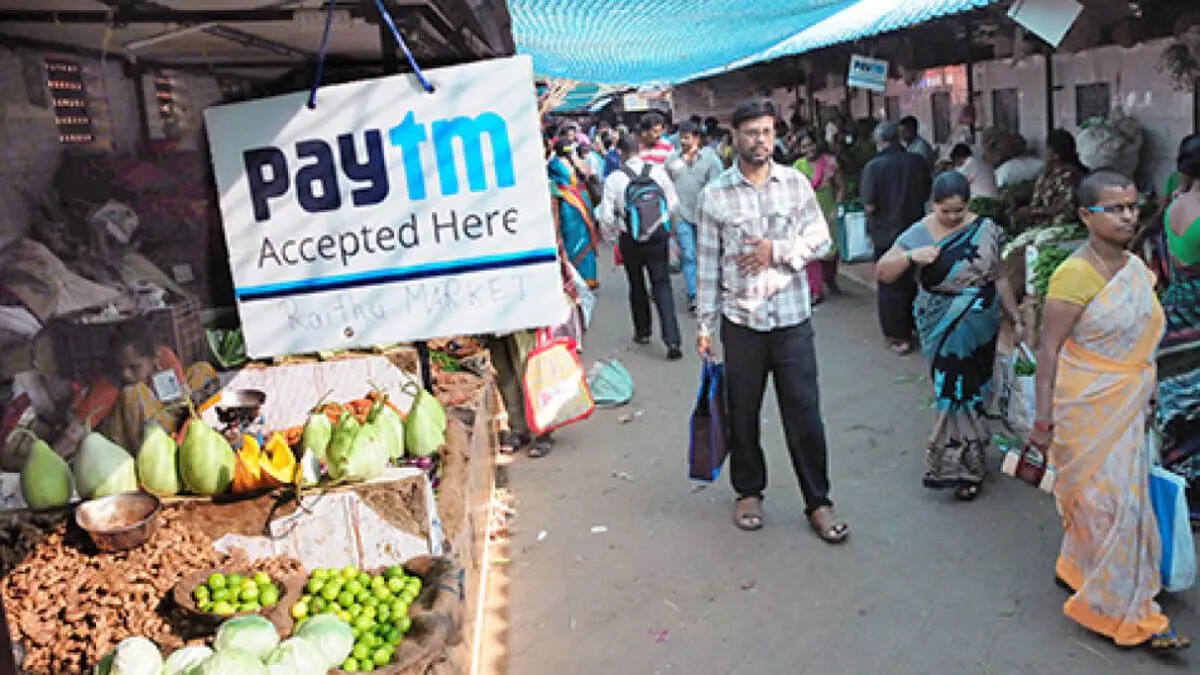
Paytm is entering a new phase of business consolidation. By acquiring full ownership of three subsidiaries — Foster Payment Networks, Paytm Insuretech, and Paytm Financial Services — the company has transitioned to a tighter operating structure. Additionally, four step-down subsidiaries are now fully owned under PFSL, improving governance and simplifying reporting lines. Investors welcomed the restructuring: Paytm’s stock jumped 2.46% amid growing confidence in its post-reset strategy. The company’s broader move suggests a renewed emphasis on synergy across insurance, lending, and payments — areas expected to drive the fintech’s next phase of growth.
EV Price Parity May Arrive by 2030
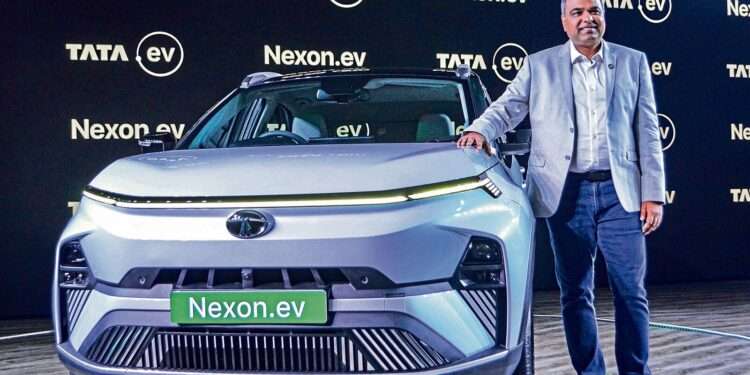
India’s electric vehicle trajectory just got more exciting. According to Tata Motors Passenger Vehicles CEO Shailesh Chandra, EVs could cost the same as petrol and diesel cars by 2030 — a milestone that could radically reshape demand curves. The expectation hinges on falling battery prices, scale manufacturing, and stronger policy support. As competition intensifies and ownership barriers drop, India’s EV transition may accelerate faster than expected. Affordability remains the final unlock — and automakers now believe it’s in sight. The road to mass EV adoption is no longer hypothetical — it’s becoming inevitable.
Credits: Mint