India’s quick-service restaurant (QSR) sector is bracing for a major shake-up as Sapphire Foods and Devyani International, two of the country’s largest operators of KFC and Pizza Hut outlets, come together in a $934 million merger. The deal reflects a broader consolidation trend in fast food, where scale is increasingly seen as the antidote to rising input costs, slower urban demand and intense competition. While both companies remain loss-making, their combined footprint promises stronger bargaining power, operational efficiencies and better capital allocation. The merger underscores a reality facing India’s QSR industry: survival and profitability may now depend less on aggressive expansion and more on size, discipline and execution.

Adani’s Khavda Bet and the New Centre of India’s Clean Energy Push
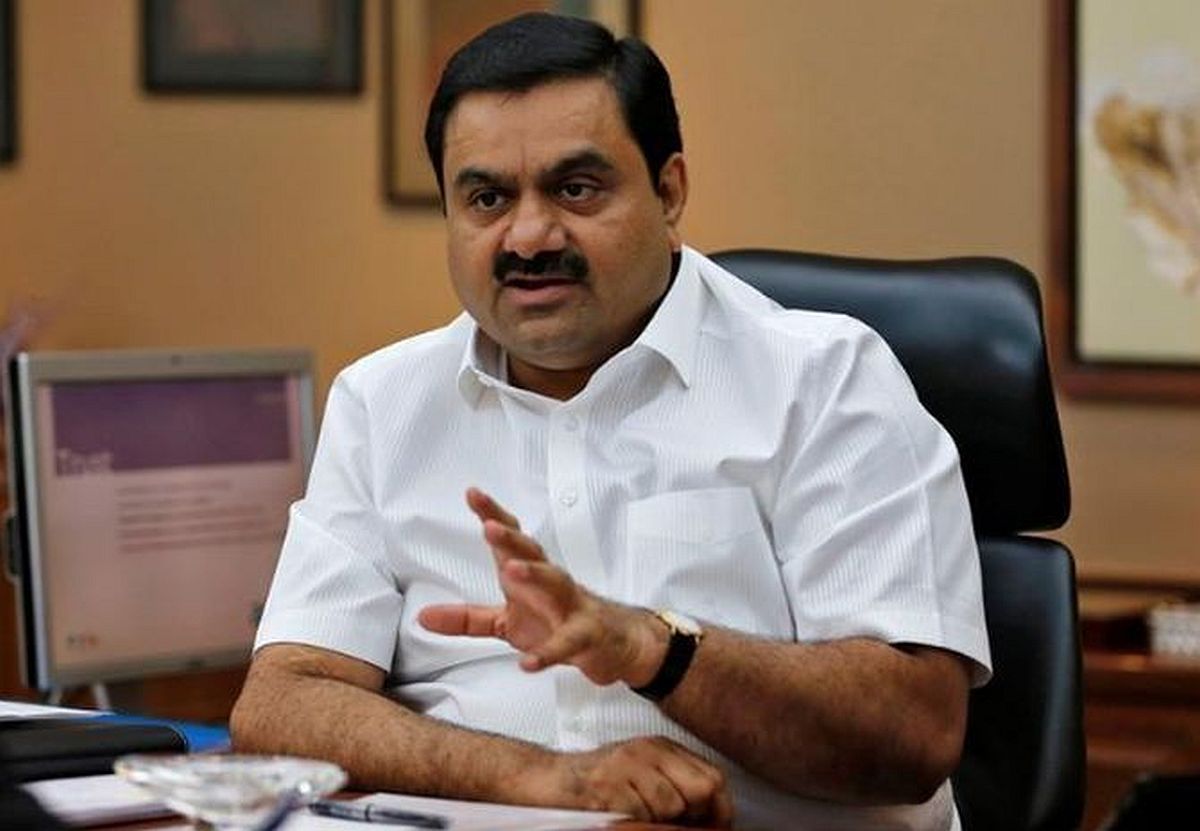
In the vast salt flats of Gujarat’s Great Rann of Kutch, Gautam Adani’s visit in December 2025 symbolised more than ambition—it marked the epicentre of India’s clean energy future. With power demand projected to jump from 250 GW in FY25 to nearly 388 GW by FY32, India faces a daunting energy challenge. Adani Group’s massive renewable push, anchored around Khavda, highlights how private capital is stepping in to bridge the gap between growth and sustainability. As India’s energy consumption grows faster than the global average, projects of this scale could define whether the country meets its climate goals without compromising economic momentum.
PRISM’s Confidential IPO Filing Signals OYO’s Market Comeback
Global travel technology firm PRISM, the parent of OYO, has quietly restarted its IPO journey by filing confidential DRHP papers with SEBI. The proposed ₹6,650 crore public issue—entirely a fresh equity raise—could value the company at $7–8 billion. For OYO, this marks a crucial inflection point after years of scrutiny, restructuring and delayed listing plans. A confidential filing allows PRISM to test regulatory waters away from public glare, signalling renewed confidence in its business fundamentals. If successful, the IPO could become one of India’s most closely watched new-age listings, offering a second chance at public market credibility.

Eternal’s Stock Surge and Info Edge’s ₹32,000-Crore Patience Play
Eternal, the parent of Zomato and Blinkit, has delivered one of India’s most compelling post-IPO wealth creation stories. With its stock up over 122% since listing, the rally has richly rewarded early believers—chief among them Info Edge. The Naukri.com parent’s early bet on Zomato has now translated into an investment worth nearly ₹32,000 crore. Beyond the numbers, the story reinforces a powerful lesson in startup investing: patient capital, strong conviction and the ability to ride out volatility can create extraordinary outcomes. Eternal’s evolving business model and improved execution have turned scepticism into sustained market confidence.

How India Overtook China in South Africa’s Car Market
India has quietly emerged as the most influential external player in South Africa’s automotive market. Nearly half of all cars sold in the country in 2025 had a direct or indirect Indian connection—through brands like Tata and Mahindra or India-sourced components. This dominance challenges the popular narrative that Chinese automakers lead the imported vehicle segment. Instead, India’s strength lies in cost-efficient manufacturing, reliable supply chains and products tailored for value-conscious markets. As global auto supply chains diversify, India’s growing footprint in South Africa highlights its rising stature as a trusted automotive manufacturing hub.

Comet Sneakers’ 300% Growth Shows D2C Brands Hitting Their Stride
Comet Sneakers’ FY25 performance offers a glimpse into the next phase of India’s D2C boom. The startup clocked ₹29.1 crore in operating revenue—up over 300% year-on-year—by blending design-led products with a digital-first approach and selective offline expansion. Founded in 2023, Comet’s rapid scale-up reflects how young consumer brands can grow quickly by building strong identities and communities. While competition in footwear remains fierce, Comet’s trajectory suggests that differentiated branding and omnichannel strategies can still carve out meaningful space in India’s crowded consumer market.