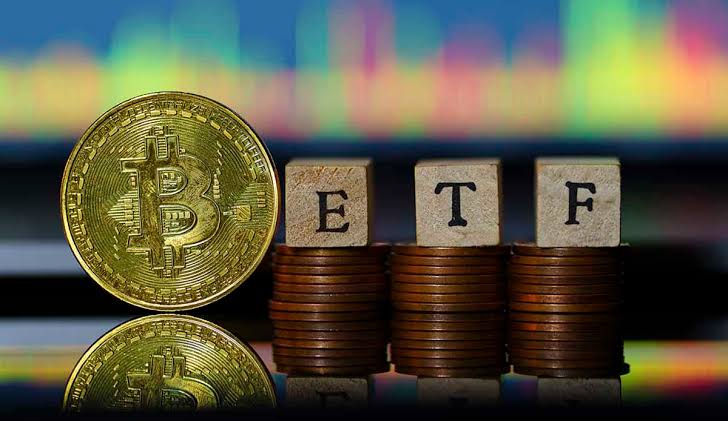
Bitcoin has developed from a small digital currency into one of the most significant investments today. As more people are able to invest in cryptocurrency, many of them no longer want to buy it on an online exchange, have a digital wallet or use private keys. In response, there are now Bitcoin ETFs, combining the accessibility of the stock market with the growth potential of cryptocurrency. Bitcoin ETFs represent huge progress in adopting digital assets because investors can get in on the price movements of Bitcoin through regulated exchanges. Investors who familiarise themselves with the nature of Bitcoin ETFs will have a clearer outlook about whether they fit into their investment portfolio.
What Is a Bitcoin ETF?
A Bitcoin ETF (Exchange-Traded Fund) tracks the price of Bitcoin (BTC). The ETF is traded on stock exchanges. As opposed to acquiring various amounts of bitcoin and physically storing it, one can buy shares (units) of the ETF via a brokerage account; the value of the units will reflect the price movement of bitcoin to a reasonable degree. Therefore, one can leverage changes in the value of bitcoin without actually possessing it.
Bitcoin ETFs like other types of ETFs are created to allow for an easier method of gaining exposure to an asset while eliminating many of the technical challenges associated with owning the asset directly; therefore, they are appealing to investors who have an interest in investing in bitcoin but prefer the comfort of a traditional/familiar investment vehicle.
Types of Bitcoin ETFs
Generally speaking, there are two types of Bitcoin ETFs. There are Spot Bitcoin ETFs, which hold Bitcoin directly as their underlying asset. Their investor base consists of actual buyers of bitcoins, so the fund owns and keeps coins themselves, and the shares have a net asset value (NAV) that is very closely aligned with the market price of a bitcoin. So buying shares of a Spot Bitcoin ETF means you are making the strongest possible investment in bitcoin but without having to actually possess any bitcoins
However, Bitcoin Futures ETFs do not actually physically possess any bitcoins. Instead, the fund buys and sells future contracts or agreements to buy or sell bitcoins at a certain price at some point in time in the future. Although Bitcoin Futures ETFs provide indirect exposure to bitcoin and bitcoin-related investment, the NAV of these ETFs may differ slightly from the actual market price of bitcoin because Bitcoin Futures ETFs are based upon the price of an agreement to buy or sell another bitcoin in the future, and as a result, are subject to different price movement patterns than the actual market price of bitcoin.
How Does a Bitcoin ETF Work?
According to the investor’s point of view, the process of purchasing a Bitcoin ETF is quite easy. An investor may start by talking to a financial institution to establish a fund with that institution and then will usually work with an appropriate regulatory agency, depending on which type of ETF is being sought after; either one that buys actual bitcoins or one that uses bitcoin futures contracts. Then, a financial institution or custodian will manage and safely store the assets of the fund.
Once the fund is created, shares are issued and publicly traded on a stock exchange. Investors will shop for, buy and sell shares of the ETF in the same way that they shop for, buy and sell stocks through an online trading account. Whenever the price of bitcoin changes, the price of shares issued by the ETF will follow suit. Thus, through purchasing the ETF, investors can invest in the performance of bitcoin without actually holding, handling or storing bitcoins.
Why Bitcoin ETFs Matter
Bitcoin ETFs are credited for helping lay the groundwork for the entry of cryptocurrency into the mainstream finance system. Their most significant advantage is that they allow more people access to the cryptocurrency world. A lot of new investors in cryptocurrency (crypto) will be unfamiliar with the process of trading on an exchange, and may also be hesitant about security and safety when it comes to holding their digital currency. Using Bitcoin ETFs enables investors to gain access to Bitcoin via traditional investment channels, thereby negating these issues.
Additionally, many investors are also comforted by the fact that regulated businesses operate through established financial markets, subject to all applicable regulatory requirements and disclosures. The regulations and standards associated with ETF trading help build trust in Bitcoin as an investment vehicle and help to attract a higher level of participation among institutions (e.g., pension funds, hedge funds, mutual funds) as well.
Advantages of Investing in a Bitcoin ETF
The primary benefit of a Bitcoin ETF is convenience. Investors never have to learn how to manage wallets for cryptocurrency, or even worry that they need to keep private keys secure. The Bitcoin ETF provider handles all of the technical details so they can invest in Bitcoin without worrying about these issues.
Another major benefit is that when you own Bitcoin directly you are solely responsible for keeping your digital possessions safe against theft or loss (i.e., your Bitcoin). Conversely, ETF providers utilize third party custodians and provide all the institutional level security to protect your assets from both types of threats, thereby minimizing those risks for the investor.
Bitcoin ETFs can be easily included within a traditional investment portfolio; they are listed on stock exchanges and can thus be held alongside equities, fixed income, and mutual funds in the same brokerage account, making it simpler and easier to manage any type of portfolio.
Risks and Limitations
Bitcoin ETFs are an investment option with many advantages; however, there are several risks involved. Investors cannot buy or possess any physical bitcoins since they only own ETFs that correspond to digital currencies like Bitcoin. As a result, investors cannot transfer, spend or use their investment in any way related to the use of digital currency.
Another aspect to consider when investing in ETFs is the fact that there are management fees associated with them. Management fees are the annual fees ETF providers charge to manage an investment fund and these can impact returns over time. As well as this, there is still a high level of price volatility when investing in ETFs because there is a history of large price fluctuations within the virtual currency market.
Future regulatory changes may affect Bitcoin ETFs; this is because as global governments and regulators develop regulations concerning the future of cryptocurrencies, new regulations will likely have an impact both on what will happen with the Bitcoin price and how ETF operations will function going forward.
The Future of Bitcoin ETFs
As Bitcoin ETFs become more popular, it creates an environment where digital assets have more acceptance in the traditional world of finance. As Bitcoin ETFs have become so successful, many other financial institutions are now exploring other types of investments associated with cryptocurrency and alternative types of cryptocurrency investment products, including ETH ETFs.