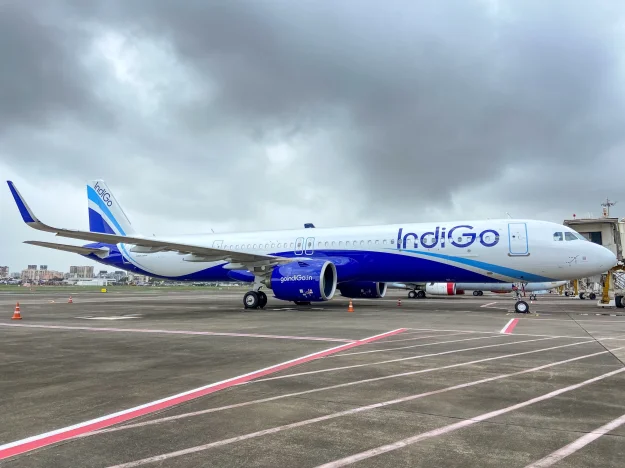
The past few days have been unusually chaotic for air travellers across India, with IndiGo facing one of its worst operational disruptions in recent memory. What began as scattered delays soon turned into widespread cancellations across major airports, leaving thousands of passengers stranded for long hours with very little clarity on when their flights would take off.
Crowded terminals, long queues, tired families, and confused flyers became a common sight as the airline struggled to keep up with a wave of crew shortages, regulatory changes, and scheduling failures. The scale of the crisis has drawn attention from industry experts, government officials, and passenger groups, all trying to understand how the country’s largest airline reached this point. This article takes a detailed look at what caused the disruptions, the rules behind the ongoing shortage of pilots, the government’s response, passenger rights, refund rules, and when travellers can expect operations to return to normal.
IndiGo operates more than two thousand flights each day, connecting metros, smaller towns, and international destinations. Its large network means that even a small disruption can affect hundreds of flights, and when the system breaks down at multiple points, the impact grows rapidly. Over the past week, flight cancellations and delays multiplied, with reports showing hundreds of flights grounded on a single day.
On December 5, the airline suspended all departures from Delhi Airport for the entire day, adding to the pressure already building across the country. Many passengers said they were informed at the last minute. Some said they were seated on the aircraft for boarding, only to be told shortly afterward that the flight had been cancelled. Long lines formed around help counters, with people waiting for basic answers on refunds, food, and accommodation.
A key factor behind the crisis has been the second phase of the Flight Duty Time Limitations (FDTL) rules that took effect on November 1. These rules were brought in after growing concerns about pilot fatigue, and the Delhi High Court directed the aviation regulator, DGCA, to roll them out without delay. Under the new norms, pilots must receive more weekly rest, and the number of night landings allowed per week has been reduced sharply. The rules restrict pilots to only two night landings a week, compared with six earlier.
Night flying covers operations between midnight and 6 a.m., which is a busy period for IndiGo because of its large overnight network. With the new rules in place, airlines must deploy more pilots to cover the same number of flights. While the entire industry had been warned of these changes well in advance, IndiGo appears to have underestimated how much extra manpower would be needed once the second phase came into effect.
IndiGo’s pilot strength was not enough to support its winter schedule, especially after the airline expanded its frequency from late October. Once the new duty rules kicked in, many pilots were forced into rest days, leaving a gap in manpower. Even minor delays pushed flights past midnight, making it impossible for pilots to operate without violating the new rules. What began as a manageable staffing issue soon grew into a full-blown network collapse. By early December, the airline was cancelling hundreds of flights each day, and its on-time performance dropped below 20 percent. Airports such as Mumbai, Bengaluru, Chennai, Hyderabad, Goa, and Delhi reported heavy crowding and rising passenger frustration.
Passengers also raised concerns about the lack of proper communication. Many said they received no text messages or calls from the airline. Others complained that food, water, and accommodation were delayed or unavailable. The airline responded by listing measures it had put in place, such as arranging hotel rooms, offering lounge access to senior citizens, and providing refreshments at airports. It also announced automatic refunds to the original mode of payment and waived charges for cancellations or rescheduling for travel between December 5 and December 15. Despite these efforts, public anger grew as flyers demanded accountability and clarity.
The aviation regulator DGCA stepped in as the situation worsened. After reviewing IndiGo’s submissions, it temporarily relaxed certain parts of the Phase-II FDTL rules, but only for IndiGo’s A320 fleet. The exemption is valid until February 10, 2026, and has been granted in the interest of maintaining essential air services. The DGCA warned the airline that safety must not be compromised and that the approval could be withdrawn if any violations are found. IndiGo has been instructed to file regular progress reports and present a roadmap to ensure full compliance with the FDTL norms within the allowed time frame. Other airlines must continue to follow the new rules without relaxation, which shows the scale of IndiGo’s struggle.
Pilot unions have been critical of the airline’s planning. Groups such as the Federation of Indian Pilots and the Airline Pilots’ Association of India said that IndiGo failed to hire enough pilots despite knowing that new rules were coming. They accused the airline of freezing hiring and agreeing to non-poaching arrangements with other carriers, which worsened the shortage. According to the unions, other airlines prepared earlier and adjusted their rosters months in advance. IndiGo, they argue, waited too long to react and is now trying to push for relaxations instead of strengthening its workforce.
The Ministry of Civil Aviation called the crisis unacceptable and instructed all airlines to stabilise their schedules. A 24×7 control room was set up to monitor the situation. The ministry also issued clear directions that passengers must receive full refunds automatically and be provided with food, support, and accommodation. It said operations should return to normal within a couple of days and assured the public that no compromise would be made on passenger rights.
The struggle has had another side-effect: a sharp rise in airfares. With hundreds of IndiGo flights cancelled, passengers rushed to book alternate flights on other airlines. As a result, last-minute fares doubled or even tripled on key routes. Delhi to Bengaluru crossed ₹40,000 for the cheapest last-minute ticket, while some seats were listed above ₹80,000. Delhi to Mumbai saw fares above ₹35,000. Such spikes are typical during sudden demand surges, but the scale of the increase was unusual.
IndiGo has said it expects operations to stabilise within a short period. The airline has adjusted rotations, pre-cancelled flights to prevent last-minute chaos, and is redeploying crew on routes under the most strain. In its submission to the DGCA, IndiGo said full stability should return by February 10, though short-term improvements should be visible sooner. For now, the airline has advised passengers to check their flight status before leaving home and not to arrive at airports if their flight has already been cancelled.