Free-to-play games have changed the gaming industry in ways that few people expected. Instead of asking players to pay before they start, these games remove the entry barrier completely. Anyone can download and play without spending a single dollar. At first glance, this business model may seem less profitable than selling a game for a fixed price. However, the opposite has become true. Many of today’s highest-earning games are free to play, generating billions of dollars every year through optional purchases and live services.

Popular titles such as Fortnite, Genshin Impact, League of Legends, Valorant, Roblox, and Call of Duty: Warzone have proven that giving away the base game can attract massive audiences. Once millions of players join, even a small percentage of paying users can create enormous revenue. This strategy has transformed gaming from a product into an ongoing service that continues earning money long after launch.
Why Free-To-Play Attracts More Players
The biggest reason behind the success of free-to-play games is accessibility. Players do not have to think twice before downloading a game because there is no upfront cost. This makes it easy for friends to invite each other, creating larger communities and increasing player retention.
A free game also reaches audiences that may never buy a premium title. Students, casual gamers, and people trying a new genre are all more willing to download something that costs nothing. The larger the player base becomes, the greater the opportunity to earn revenue through optional purchases.
This model also benefits developers by increasing visibility. A popular free game spreads quickly through social media, livestreams, and word of mouth, bringing in even more players without requiring expensive marketing campaigns.
Microtransactions Drive Revenue
Instead of charging every player once, free-to-play games earn money through microtransactions. These are small purchases made inside the game. While many players never spend money, others choose to buy items that improve their experience or personalize their characters.
Common microtransactions include:
- Character skins
- Weapon skins
- Battle passes
- Cosmetic accessories
- Emotes and animations
- Mounts or pets
- Premium currencies
- Convenience items
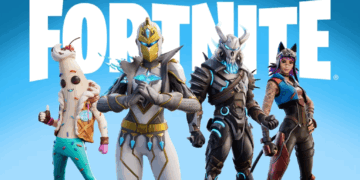
Most successful free-to-play games focus heavily on cosmetic items. This approach allows players to express themselves without giving paying users an unfair competitive advantage. Games like Fortnite have built entire businesses around cosmetic customization while keeping gameplay balanced.
The Power Of Battle Passes
Battle passes have become one of the most profitable features in modern gaming. Players purchase a seasonal pass that unlocks exclusive rewards by completing challenges and gaining experience throughout the season.
This system creates several benefits:
- Encourages players to return regularly.
- Rewards consistent gameplay.
- Generates predictable seasonal income.
- Keeps the community engaged with fresh content.
Since battle passes usually offer more rewards than their purchase price, many players see them as excellent value, making them one of the easiest purchases to justify.
Keeping Players Invested
Successful free-to-play games rarely remain unchanged after launch. Developers constantly introduce updates that keep players interested for months or even years.
These updates often include:
- New characters
- New maps
- Seasonal events
- Story expansions
- Limited-time game modes
- Special collaborations
Regular content keeps communities active and gives players fresh reasons to return. An engaged audience is also more likely to purchase optional content over time.
Social Features Increase Spending
Gaming has become a social activity. Friends play together, stream matches, share clips, and discuss updates online. When players spend time with others, they naturally become more invested in their favorite games.
Cosmetic items also become more valuable in multiplayer games because other players can actually see them. Showing off a rare skin or limited-edition outfit becomes part of the overall experience. This social visibility encourages spending without affecting competitive balance.
Developers also use guilds, clans, voice chat, ranked modes, and community events to strengthen long-term engagement.
Whales And Player Spending Habits
Not every player spends money equally. Industry research consistently shows that a relatively small percentage of users account for a large share of total revenue. These high-spending players are often called “whales.”
Meanwhile, many players never spend anything at all. Others may only buy an occasional battle pass or cosmetic bundle. Because millions of people play these games, even these smaller purchases add up to substantial earnings.
This spending distribution allows developers to support the entire player base while keeping the game free for everyone else.