• Send Us A Tip
  • Calling all Tech Writers
  • Advertise
Monday, July 6, 2026
  • Login
TechStory
  • News
  • Crypto
  • Gadgets
  • Memes
  • Gaming
  • Cars
  • AI
  • Startups
  • Markets
  • How to
No Result
View All Result
  • News
  • Crypto
  • Gadgets
  • Memes
  • Gaming
  • Cars
  • AI
  • Startups
  • Markets
  • How to
No Result
View All Result
TechStory
No Result
View All Result
Home Tech Automobiles

Why Home Charging Is Cheaper Than Public Charging

by Samir Gautam
July 6, 2026
in Automobiles, Cars
Reading Time: 12 mins read
0
Why Home Charging Is Cheaper Than Public Charging

Why Home Charging Is Cheaper Than Public Charging

TwitterWhatsappLinkedin

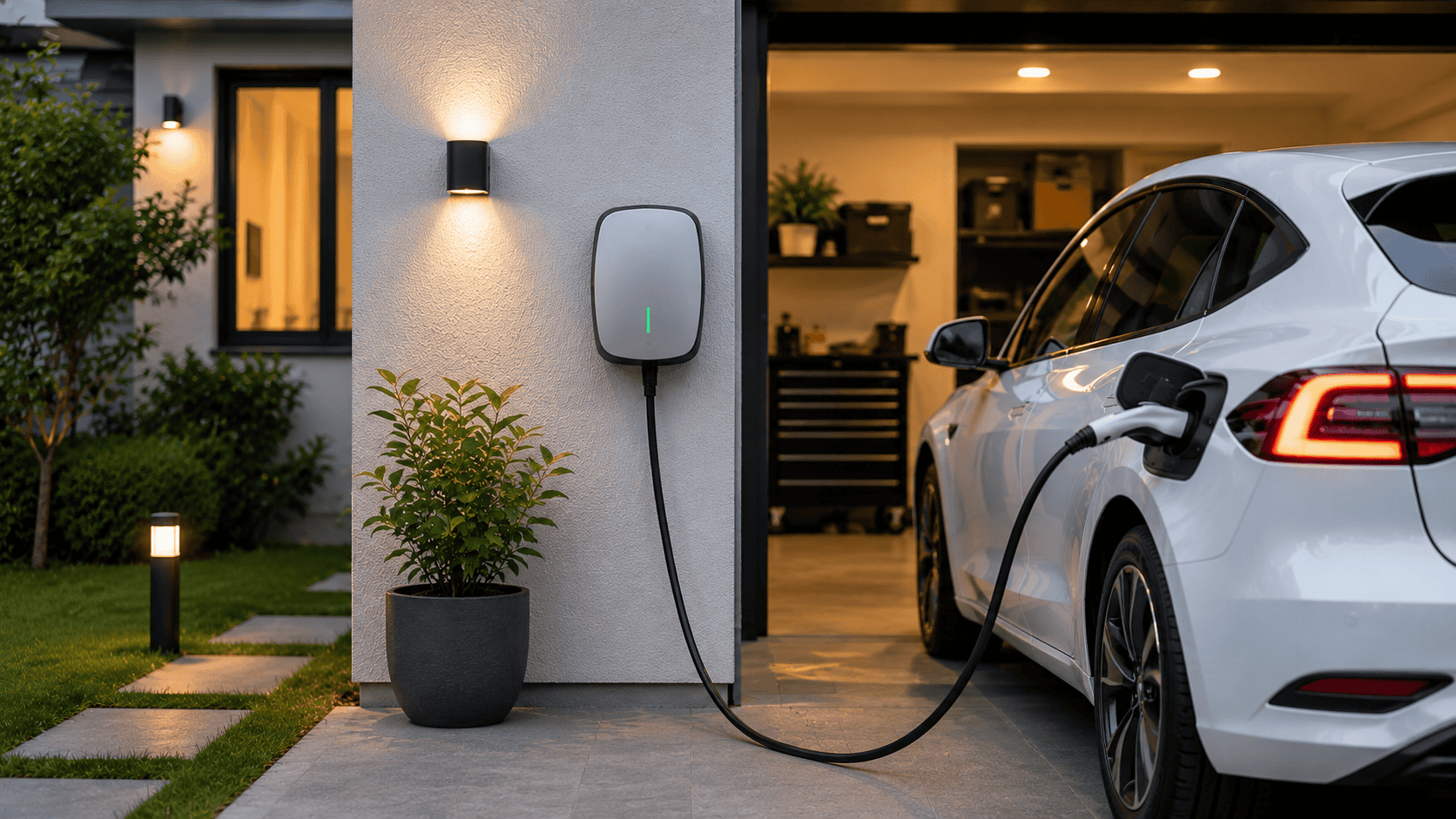
The rapid growth of electric vehicles has transformed the way people think about mobility. Instead of stopping at fuel stations every week, many EV owners now begin each day with a fully charged battery waiting in their garage or driveway. This shift has not only changed driving habits but has also sparked an important conversation about charging costs. While electric vehicles are widely recognised for being cheaper to run than petrol or diesel cars, not every charging session costs the same. One of the biggest surprises for first-time EV buyers is discovering that charging at home is often significantly less expensive than using a public charging station.

You might also like

Why EV Charging Slows Above 80%: The Science Behind the Wait

Toyota Could Bring Back Driving Excitement With a New Camry Apex Edition

Ford Says Its Recall Crisis Is Finally Turning Around as Quality Becomes the Company’s Top Priority

The price difference can sometimes be dramatic. Depending on the region, electricity provider and charging network, a full battery charged at home can cost less than half of what the same charge would cost at a public fast-charging station. For drivers who rely primarily on home charging, these savings add up quickly over months and years of ownership, making electric vehicles even more economical in the long run.

The reasons behind this pricing gap are more complex than simply comparing electricity rates. Residential electricity tariffs, infrastructure investments, commercial operating expenses, charging speeds, maintenance costs and business models all play a role in determining how much drivers ultimately pay. Understanding these factors helps explain why home charging continues to be the preferred option for millions of EV owners worldwide.

Electricity Is Only One Part of the Equation

Many people assume public charging companies simply purchase electricity from the grid and sell it to drivers with a small markup. In reality, electricity itself represents only a portion of the final price displayed on a charging station.

Every public charging operator invests heavily in creating and maintaining an extensive charging network. Installing a modern charging station involves much more than placing a charger in a parking lot. Operators must secure suitable locations, obtain permits, upgrade electrical infrastructure, install transformers where necessary, connect to the local power grid, integrate payment systems, develop software platforms, provide customer support, perform routine maintenance and ensure the chargers remain operational around the clock.

These investments often amount to hundreds of thousands of dollars for larger charging hubs equipped with multiple DC fast chargers. Recovering these costs takes years, and a portion of every charging session contributes towards paying back that investment. Home charging, by comparison, involves only a single privately owned charger that serves one household, making the economics entirely different.

Residential Electricity Rates Work in the Driver’s Favour

Perhaps the biggest advantage of charging at home lies in the price of electricity itself. Utilities generally offer lower residential electricity tariffs than commercial rates paid by businesses.

Households consume electricity differently from commercial facilities. Residential customers typically use power throughout the day for lighting, appliances and heating or cooling, while commercial properties often have higher and more concentrated energy demands. As a result, commercial electricity pricing frequently includes additional charges that do not apply to residential users.

When an EV owner plugs into a home wall charger, they are purchasing electricity at these residential rates. Public charging operators, on the other hand, purchase electricity under commercial agreements that are generally more expensive before any additional operating costs are considered.

This pricing structure creates a natural cost advantage for home charging that remains difficult for public networks to overcome.

Home Charging Makes the Most of Off-Peak Electricity

One of the greatest financial benefits available to EV owners is the ability to choose when they charge.

Electricity demand fluctuates throughout the day. During evenings, when households cook dinner, run appliances and use air conditioning or heating, demand on the power grid increases substantially. Overnight, demand falls considerably as homes and businesses consume less electricity.

Many electricity providers encourage customers to shift consumption away from peak periods by offering time-of-use tariffs. Under these plans, electricity used late at night or during early morning hours costs significantly less than electricity consumed during busy daytime periods.

This works perfectly for electric vehicle owners. Most drivers return home in the evening, plug in their vehicle and allow it to charge overnight while they sleep. Modern EVs and home chargers can even be programmed to begin charging automatically when lower overnight rates become available.

By the time morning arrives, the battery is fully charged without requiring any additional effort from the owner, and the electricity has often been purchased at the cheapest rates available.

Public charging stations cannot offer this same level of flexibility. Drivers typically charge when they need power immediately rather than when electricity prices are lowest, making cost savings much harder to achieve.

Public Charging Offers Convenience Rather Than Economy

Public charging stations are designed to solve a different problem than home chargers.

Their primary purpose is not to provide the cheapest electricity but to ensure drivers can recharge wherever they travel. Whether someone is commuting, shopping, visiting another city or embarking on a cross-country road trip, public charging infrastructure provides the confidence that an EV can continue its journey without running out of power.

This convenience has tremendous value.

Consider the difference between preparing coffee at home and purchasing one at an airport. Both deliver the same basic product, but one includes the convenience of immediate availability in a location where alternatives are limited. Public EV charging operates on a similar principle. Drivers are paying not only for electricity but also for accessibility, speed and the assurance that charging is available when they need it most.

For occasional use, this premium is often worthwhile. However, using public charging as the primary source of energy for an EV naturally results in higher running costs than charging at home.

Fast Charging Technology Comes With Significant Costs

The type of charger also plays a major role in determining price.

Most home charging systems use alternating current (AC), delivering electricity at a relatively moderate pace. Depending on the charger and vehicle, fully charging an electric vehicle overnight is usually sufficient for daily driving needs.

Public charging stations, especially those located along highways, increasingly rely on direct current (DC) fast chargers capable of delivering enormous amounts of power in a very short period.

These advanced systems can add hundreds of kilometres of driving range in less than thirty minutes, making long-distance travel practical for EV owners. Achieving those charging speeds, however, requires extremely sophisticated technology.

Fast chargers incorporate high-power electronics, liquid cooling systems, heavy-duty cables, complex safety mechanisms and intelligent software capable of communicating continuously with the vehicle. They also demand substantial electrical capacity from the local grid, often requiring expensive transformers and dedicated high-voltage connections.

All of these technologies increase installation, maintenance and operating expenses. Naturally, those costs become part of the price drivers pay each time they use a public fast charger.

Commercial Demand Charges Add Another Layer of Cost

Unlike homeowners, commercial charging operators often face what are known as demand charges.

Electric utilities do not always bill businesses solely for the total electricity consumed. Many also charge based on the highest level of power drawn during a billing period.

A public charging hub serving several vehicles simultaneously may suddenly require hundreds of kilowatts—or even several megawatts—of electricity at once. That enormous spike in demand can significantly increase the utility bill, regardless of the total amount of electricity sold during the month.

These demand charges are among the biggest operating expenses faced by public charging providers. To remain financially sustainable, operators must recover these costs through customer pricing.

Residential customers generally do not encounter these commercial demand fees, giving home charging yet another economic advantage.

Home Chargers Have Lower Long-Term Operating Expenses

Installing a home charger represents an upfront investment, but ongoing operating costs remain relatively low.

Unlike public charging stations, residential chargers do not require dedicated staff, customer service teams, payment processing systems or continuous remote monitoring. Maintenance requirements are minimal, and the equipment typically serves a single household for many years.

Public charging networks operate more like utility businesses than simple charging points. They must maintain software updates, repair damaged connectors, replace worn components, ensure cybersecurity, manage payment systems and respond quickly whenever a charger goes offline.

These ongoing operational responsibilities contribute to the higher prices seen at public charging stations and explain why electricity alone tells only part of the story.


Lower Charging Speeds Can Also Benefit Battery Health

While cost is often the primary reason people choose to charge at home, there is another advantage that receives less attention: battery longevity.

Home chargers generally use alternating current (AC), which replenishes the battery at a slower and more controlled pace. For everyday driving, this gradual charging process generates less heat inside the battery pack compared to repeated use of high-powered DC fast chargers. Heat is one of the key factors that can accelerate battery degradation over time, which is why most automakers recommend using home charging as the default option whenever possible.

This does not mean fast charging is harmful or should be avoided altogether. Modern electric vehicles are engineered to handle frequent fast charging, and sophisticated battery management systems regulate temperature to protect the cells. However, relying exclusively on DC fast charging for daily use may lead to slightly faster battery wear over several years. By charging overnight at home and reserving fast chargers for road trips or emergencies, owners not only reduce their electricity bills but may also help preserve the long-term health of their vehicle’s battery.

Public Charging Networks Must Recover Massive Investments

The rapid expansion of public charging infrastructure has required billions of dollars in investment across the world. Governments, private companies and utility providers are working together to install thousands of new charging stations to support growing EV adoption. However, building these networks is neither simple nor inexpensive.

A modern highway charging hub may feature several ultra-fast chargers capable of serving multiple vehicles simultaneously. Installing such a facility often involves upgrading local electrical infrastructure, strengthening grid connections, laying underground cables, constructing weather-resistant charging bays and integrating digital payment systems. Every charger also requires regular inspections, software updates and preventive maintenance to ensure reliable operation.

Unlike fuel stations that benefit from decades of established infrastructure, public charging networks are still in a growth phase. Many operators are expanding aggressively while simultaneously trying to recover installation costs. As a result, the price customers pay reflects not only the electricity they consume but also the ongoing investment required to build a reliable charging ecosystem.

Utilisation Rates Influence Pricing

Another factor that often goes unnoticed is charger utilisation.

A home charger serves one household and is likely to be used almost every day. Public charging stations, however, experience unpredictable demand. Some chargers located along busy highways may remain occupied throughout holiday weekends, while others in less populated areas may sit idle for hours or even days.

Despite these fluctuations, operators continue paying rent, electricity connection fees, maintenance expenses and software licensing costs regardless of how frequently the chargers are used. This uncertainty makes pricing more challenging. If utilisation remains lower than expected, companies often need to charge higher rates per session to cover operating expenses.

As EV ownership continues to grow, utilisation rates are expected to improve, allowing operators to spread costs across more charging sessions. Over time, this could gradually reduce the price difference between home and public charging, although residential charging is still expected to remain the more economical option.

Membership Plans Can Reduce Costs but Rarely Beat Home Charging

Recognising that pricing is a concern for frequent users, many public charging providers now offer subscription-based membership plans. These programmes typically require a monthly fee in exchange for lower charging rates, discounted fast charging or additional benefits such as reservation privileges and loyalty rewards.

For drivers who frequently travel long distances, these memberships can generate noticeable savings over the course of a year. Fleet operators, taxi services and business users often benefit the most because they rely heavily on public infrastructure.

Even so, subscription plans generally narrow the cost gap rather than eliminate it. Home charging continues to offer the lowest cost per kilometre because residential electricity remains less expensive and homeowners avoid the infrastructure and operating expenses built into commercial charging prices.

Solar Power Makes Home Charging Even More Affordable

One of the most compelling advantages of home charging is the opportunity to combine it with rooftop solar panels.

An increasing number of homeowners are generating their own electricity during the day and using that energy to charge their electric vehicles. Even when charging takes place overnight, home battery storage systems can store excess solar energy produced during daylight hours for later use.

This combination significantly reduces the cost of vehicle ownership. Instead of purchasing every unit of electricity from the grid, drivers can power part or all of their daily commute using renewable energy generated at home. In some cases, the effective cost of driving falls to just a fraction of what public charging would cost.

Beyond financial savings, solar-powered charging also lowers carbon emissions by reducing dependence on fossil fuel-generated electricity. For environmentally conscious consumers, this creates an additional incentive to invest in home charging infrastructure.

Not Every EV Owner Has the Luxury of Charging at Home

Despite its financial advantages, home charging is not an option for everyone.

Many people live in apartment buildings, rented accommodation or densely populated urban areas where dedicated parking spaces are unavailable. Installing a private charger may require approval from housing societies, landlords or local authorities, making the process difficult or, in some cases, impossible.

For these drivers, public charging infrastructure is not simply a convenience but a necessity. Workplace chargers, destination charging at shopping centres and community charging hubs help bridge this gap by providing access to reliable charging without requiring private parking.

Governments and urban planners increasingly recognise this challenge. New residential developments in many countries are now being designed with EV-ready parking spaces, while existing apartment complexes are gradually introducing shared charging facilities to support the growing number of electric vehicles.

Technology Could Narrow the Gap in the Future

The economics of EV charging continue to evolve as technology advances.

Charging equipment is becoming more efficient, manufacturing costs are declining and newer chargers require less maintenance than earlier generations. At the same time, smart energy management systems are helping operators optimise electricity usage by storing energy during off-peak hours and delivering it when demand is highest.

Battery storage integrated with public charging stations is another promising development. By storing electricity when prices are low and supplying it during peak demand, operators can reduce reliance on expensive grid electricity and minimise commercial demand charges.

Vehicle-to-grid (V2G) technology may also reshape charging economics in the coming years. This innovation allows electric vehicles to return unused electricity to the grid during periods of high demand, creating opportunities for owners to earn credits or reduce their overall energy costs.

Although these technologies are still developing, they could gradually make public charging more affordable while improving the resilience of electricity networks.

The Smartest Charging Strategy Is a Balanced One

For most EV owners, the most practical approach is not choosing between home and public charging but using both in the right situations.

Home charging is ideal for daily commuting, school runs and routine errands. It offers lower electricity rates, greater convenience and the ability to start each morning with a fully charged battery. Public charging, meanwhile, provides the flexibility needed for longer journeys, unexpected travel and drivers who lack access to home charging.

This balanced strategy allows owners to maximise savings without sacrificing convenience. Instead of viewing public charging as an expensive alternative, it is better understood as a valuable service designed to extend the practicality of electric mobility beyond the home.

The Bottom Line

As electric vehicles become increasingly mainstream, understanding charging costs is just as important as comparing battery range or performance figures. While both home and public charging serve essential roles in the EV ecosystem, they operate under very different economic models.

Home charging remains the most affordable option because electricity is purchased at residential rates, charging equipment serves a single household, maintenance costs are minimal and drivers can take advantage of cheaper overnight tariffs. Adding rooftop solar panels can reduce costs even further, making daily driving remarkably inexpensive.

Public charging, on the other hand, supports the wider adoption of electric vehicles by offering accessibility, rapid charging and convenience wherever drivers travel. The higher prices reflect the substantial investment required to build, operate and maintain a reliable charging network capable of serving millions of vehicles.

As technology matures and charging infrastructure expands, the gap between home and public charging costs is likely to narrow. Faster equipment, smarter energy management and increased competition among charging providers should gradually improve affordability. Even then, home charging is expected to remain the benchmark for economical EV ownership.

For anyone considering the switch to an electric vehicle, the message is clear. If home charging is available, it will almost certainly provide the lowest running costs throughout the life of the vehicle. Public charging will continue to play a crucial supporting role, ensuring drivers can travel confidently over longer distances while helping accelerate the transition toward cleaner and more sustainable transportation.

Tags: EV Charging Setup
Tweet54SendShare15
Previous Post

The Crypto Investor’s Dilemma: Market Cap vs. Fully Diluted Valuation

Next Post

How to request money on X?

Samir Gautam

Recommended For You

Why EV Charging Slows Above 80%: The Science Behind the Wait

by Samir Gautam
July 5, 2026
0
Why EV Charging Slows Above 80%: The Science Behind the Wait

The promise of electric vehicles is simple: plug in, recharge, and get back on the road. Over the past few years, charging technology has advanced at an impressive...

Read more

Toyota Could Bring Back Driving Excitement With a New Camry Apex Edition

by Samir Gautam
July 5, 2026
0
Toyota Could Bring Back Driving Excitement With a New Camry Apex Edition

Toyota may be preparing to inject fresh enthusiasm into one of its most popular sedans. A newly discovered trademark filing for the Toyota Camry Apex Edition has sparked...

Read more

Ford Says Its Recall Crisis Is Finally Turning Around as Quality Becomes the Company’s Top Priority

by Samir Gautam
July 5, 2026
0
Ford Recall Crisis: CEO Jim Farley Says Quality Turnaround

Years of recalls have tested Ford, but the automaker believes the worst may finally be behind it. For much of the past decade, Ford has found itself in...

Read more
Next Post
X

How to request money on X?

Please login to join discussion

Techstory

Tech and Business News from around the world. Follow along for latest in the world of Tech, AI, Crypto, EVs, Business Personalities and more.
reach us at info@techstory.in

Advertise With Us

Reach out at - info@techstory.in

Aviator Game India 2026

BROWSE BY TAG

#Crypto #howto 2024 acquisition AI amazon Apple Artificial Intelligence bitcoin Business China cryptocurrency e-commerce electric vehicles Elon Musk Ethereum facebook funding Gaming Google India Instagram Investment ios iPhone IPO Market Markets Meta Microsoft News OpenAI samsung Social Media SpaceX startup startups tech technology Tesla TikTok trend trending twitter US

© 2025 Techstory.in

No Result
View All Result
  • News
  • Crypto
  • Gadgets
  • Memes
  • Gaming
  • Cars
  • AI
  • Startups
  • Markets
  • How to

© 2025 Techstory.in

Welcome Back!

Login to your account below

Forgotten Password?

Retrieve your password

Please enter your username or email address to reset your password.

Log In
Are you sure want to unlock this post?
Unlock left : 0
Are you sure want to cancel subscription?