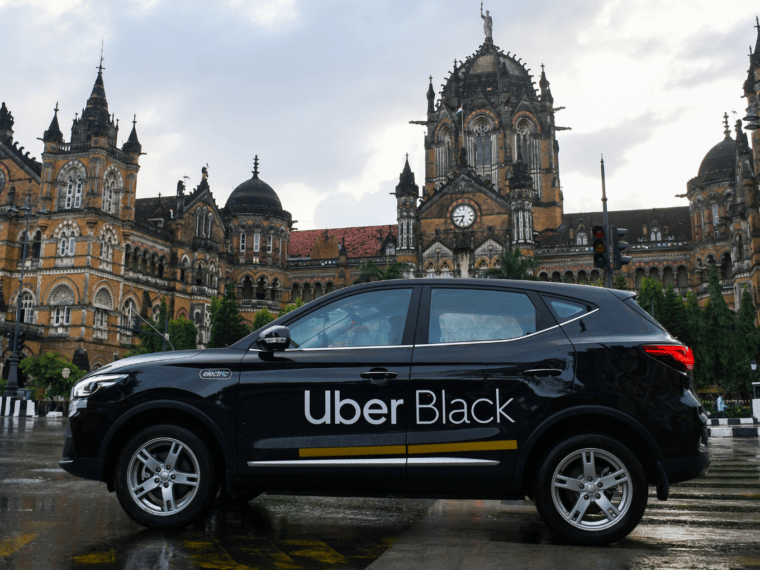
The regulatory spotlight on India’s ride-hailing sector is intensifying — and this time, the focus is on algorithms, transparency, and fairness. Government agencies investigating Ola and Uber’s pricing systems have reportedly slowed down their probe, not due to waning interest, but because decoding how fares are calculated is turning out to be more technically complex than anticipated.
Unlike earlier enforcement actions that concluded quickly, this investigation requires deep technical expertise. Regulators are now considering onboarding external domain specialists capable of evaluating whether dynamic pricing models cross the line into unfair or exploitative trade practices.
A senior official involved in the process summed it up clearly: while there is confidence that “lapses exist,” any regulatory action must rest on solid, technically defensible evidence — not assumptions.

Algorithms Under the Microscope
Ola and Uber’s dynamic pricing models are designed to adjust fares based on real-time demand, supply, distance, travel time, traffic, driver availability, and other variables. However, what remains unclear to both regulators and users is how much influence each factor has, and whether the pricing model operates transparently.
Complaints from riders have peaked over:
-
Sudden price surges during holidays or bad weather
-
Higher upfront fares that change mid-ride
-
Perceived inconsistencies between estimated and final fares
-
Limited transparency around charges like platform fees and convenience fees
The government’s challenge lies in separating justified surge pricing — a standard in global mobility tech — from potential algorithmic manipulation or hidden pricing triggers.
Rapido’s Case Set a Precedent — But This Time Is Different
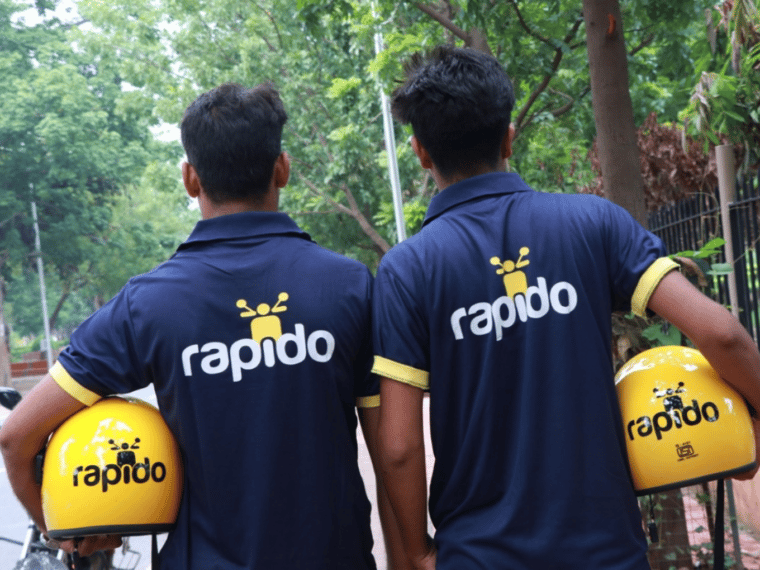
Earlier this year, Rapido was penalized ₹10 lakh for misleading cashback and guaranteed service claims. The action was swift because the findings relied on reported user experience and clear advertisement violations — not sophisticated software evaluations.
With Ola and Uber, the situation is far more layered. The question isn’t just whether consumers were misled — it’s whether the platforms’ algorithms are being used responsibly, ethically, and within legal limits.
A Pattern of Regulatory Flashpoints
The ongoing investigation is not happening in isolation — it follows a series of clashes between regulators and ride-hailing companies in recent years.
-
May 2025: Authorities issued a notice to Uber for its “advance tip” feature, arguing it nudged users toward paying more simply to secure a ride — raising ethical and consumer protection concerns.
-
Later in 2025: Most major platforms — Uber, Ola, Namma Yatri, and Rapido — were found offering similar add-on incentives, particularly during peak demand or harsh weather. This triggered broader oversight over behavioural design practices in mobility apps.
-
October 2025: Ola was instructed to adopt more consumer-friendly mechanisms, such as enabling refunds directly to bank accounts rather than only offering ride credits and providing transparent receipts for auto services.
Together, these developments reflect a shift — from reacting to isolated complaints to questioning the very foundation of platform economics in mobility services.
What Comes Next?
India’s regulators now appear committed to modernizing consumer protection frameworks for the algorithmic era. Bringing in domain experts is likely to accelerate the technical evaluation phase. The outcome could reshape compliance expectations for the entire on-demand service economy — not just ride-hailing.
For millions of users and drivers, this moment could mark the beginning of a more transparent, accountable, and fair mobility ecosystem.
But one thing is already clear: the era of unchecked algorithmic autonomy in ride-hailing is ending — and a new era of digital accountability is beginning.
Conclusion:
In conclusion, India’s tightening regulatory lens on ride-hailing platforms marks a pivotal moment for the sector. The ongoing investigation into pricing algorithms may be slow, but it signals a shift toward deeper accountability rather than surface-level enforcement. As regulators collaborate with technical experts, the outcome could establish landmark standards for transparency, fairness, and algorithmic governance in consumer-facing tech. Whether the final ruling brings penalties, new compliance rules, or operational reforms, one thing is certain: the balance of power between platforms and users is being recalibrated. For the first time, the algorithms powering everyday mobility may soon be held publicly answerable.