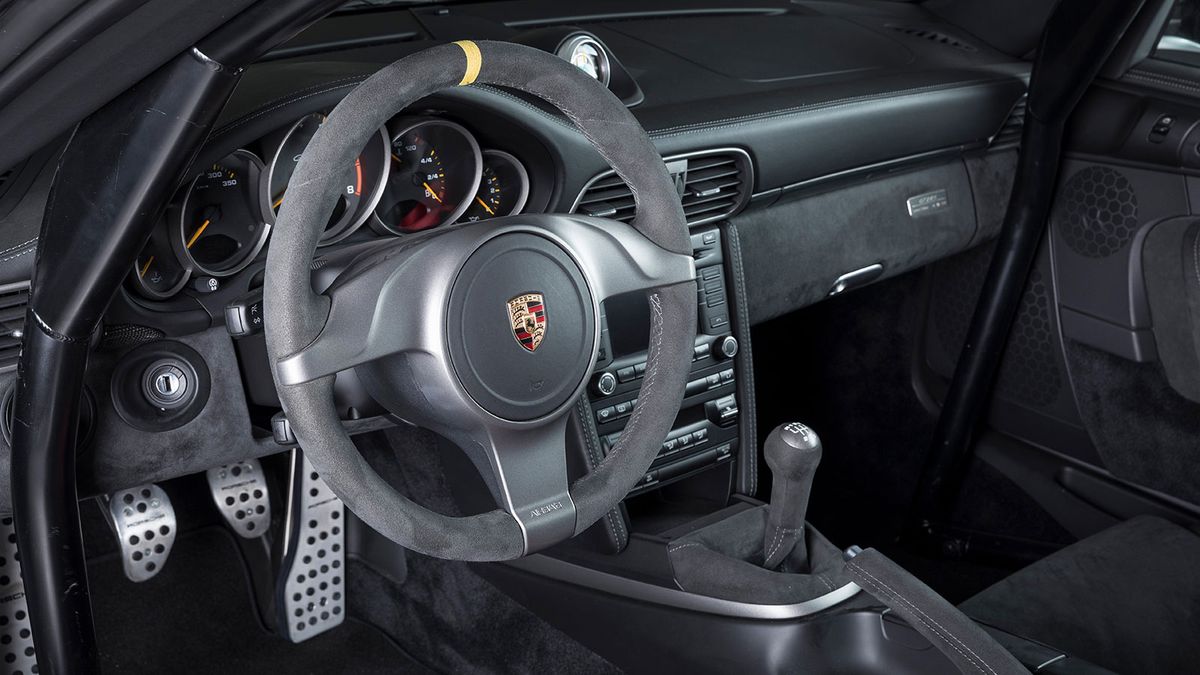
For generations of drivers, learning to drive a manual car was considered a rite of passage. Mastering the clutch, timing each gear shift perfectly, and feeling connected to the machine created an experience that automatic cars could never quite replicate. Driving a manual wasn’t just about getting from one place to another—it was about being actively involved in every moment behind the wheel.
Today, however, that experience is rapidly disappearing. Manual transmissions, once the standard across the automotive industry, are now becoming a rarity. In the United States, less than one percent of new vehicles produced in 2025 came with a manual gearbox, marking the lowest level ever recorded. Similar trends are unfolding across many other parts of the world, although some regions continue to embrace manuals more than others.
The decline isn’t simply the result of changing consumer preferences. It reflects a broader transformation in automotive technology, driving habits, and the future of mobility itself. As electric vehicles, advanced automatic transmissions, and autonomous driving technologies become mainstream, the manual gearbox is gradually becoming a relic of another era.
Credits: Auto | HowStuffWorks
From Standard Equipment to Specialty Feature
For much of automotive history, manual transmissions were the default option. Early cars required drivers to manage every gear change themselves because automatic technology either didn’t exist or wasn’t sophisticated enough for mass adoption.
Manual gearboxes were cheaper to manufacture, easier to repair, lighter, and often delivered better fuel economy than their automatic counterparts. As a result, they dominated markets across North America, Europe, and Asia for decades.
The picture began changing during the 1980s and 1990s as automatic transmissions became more reliable and affordable. Improvements in engineering allowed automatic gearboxes to shift more smoothly, improve fuel efficiency, and require less maintenance than before.
Today, many automatics can change gears in milliseconds, far faster than even experienced drivers operating a manual transmission. Rather than sacrificing performance, modern automatic systems often outperform manual gearboxes in acceleration, fuel economy, and driving comfort.
The manual transmission gradually shifted from being the standard choice to becoming an enthusiast’s preference.
Automatic Transmissions Have Become Better Than Ever
Technology Has Eliminated Most Advantages
One of the biggest reasons manual cars are disappearing is that automatic transmissions have improved dramatically over the past two decades.
Earlier automatic gearboxes were often criticized for being slow, inefficient, and less engaging to drive. Modern systems have solved nearly all those problems. Many vehicles now feature seven, eight, or even ten-speed automatic transmissions that constantly optimize gear selection for performance and efficiency.
Dual-clutch transmissions (DCTs) have pushed performance even further by delivering lightning-fast gear changes that no human driver can consistently match. Luxury cars and sports cars now rely heavily on these transmissions because they combine speed with comfort.
Manufacturers have little incentive to continue developing manual gearboxes when automatic alternatives perform better in nearly every measurable category.
Fuel Economy Is No Longer a Manual Advantage
For years, buyers chose manual cars because they consumed less fuel.
That advantage has largely disappeared.
Modern automatic transmissions use sophisticated software that continuously selects the most efficient gear for any driving condition. Combined with engine management systems and hybrid technologies, today’s automatics often deliver equal—or even better—fuel economy than their manual counterparts.
As fuel efficiency became one of the strongest selling points for new cars, manual transmissions lost one of their biggest competitive advantages.
Changing Consumer Preferences
The way people view driving has changed significantly over the past few decades.
Earlier generations often saw driving as an enjoyable activity. Cars represented freedom, adventure, and personal expression. Learning to drive a manual was almost a badge of honor among enthusiasts.
Today’s buyers generally prioritize convenience over involvement.
Long daily commutes, congested city roads, and stop-and-go traffic have made manual driving less appealing for many motorists. Constantly operating the clutch in heavy traffic quickly becomes tiring, especially compared to the effortless experience offered by automatic cars.
Modern consumers also expect cars to reduce stress rather than increase driver involvement. Features such as adaptive cruise control, lane-keeping assistance, and traffic jam assist are designed to make driving easier, not more engaging.
As convenience becomes the priority, automatic transmissions naturally become the preferred choice.
The SUV Boom Changed Everything
Performance Cars Are No Longer Dominating Sales
Another major reason behind the decline of manuals is the changing type of vehicles people buy.
Sports cars, hatchbacks, and compact sedans traditionally attracted buyers who appreciated manual transmissions. These vehicles emphasized driver engagement and performance.
However, global demand has shifted overwhelmingly toward SUVs and crossovers.
These larger vehicles are designed primarily for comfort, family use, and practicality rather than spirited driving. Automatic transmissions better suit their purpose, offering smoother operation and better compatibility with advanced safety systems.
Since SUVs now account for a significant share of vehicle sales worldwide, manufacturers naturally focus their engineering efforts on automatic drivetrains instead of manuals.
Credits: Newgate School
Electric Vehicles Have No Need for Manual Gearboxes
Perhaps the biggest long-term challenge for manual transmissions is the rapid growth of electric vehicles.
Unlike internal combustion engines, electric motors produce maximum torque almost instantly and operate efficiently across a broad speed range. This means they do not require multiple gears to deliver smooth acceleration.
Most electric vehicles therefore use a single-speed transmission.
Without gears to shift, there is simply no role for a clutch pedal or manual gearbox.
As governments encourage EV adoption and manufacturers invest billions into electrification, manual transmissions face an uncertain future. Even brands once famous for their stick-shift cars are increasingly focusing on electric models that eliminate the need for traditional gearboxes altogether.
For manual enthusiasts, this technological transition represents perhaps the greatest threat to the survival of the stick shift.
Autonomous Driving Is Redefining Mobility
The automotive industry is gradually moving toward higher levels of driving automation.
While fully autonomous vehicles are still evolving, many cars already include semi-autonomous features that can control steering, acceleration, and braking under certain conditions.
These systems depend on computers managing every aspect of vehicle operation.
Manual transmissions complicate that process because gear changes require direct driver input. Automatic and electric drivetrains integrate much more easily with autonomous technology.
As automation becomes increasingly common, manual gearboxes become progressively less compatible with the industry’s future direction.
Manufacturers Are Dropping Manual Options
Fewer Buyers Mean Higher Costs
Automakers operate on economics.
Developing, testing, certifying, and manufacturing two separate transmission options for a model adds complexity and increases production costs.
When only a tiny percentage of customers choose the manual version, maintaining that option becomes difficult to justify financially.
Over the past few years, manufacturers including Honda, Subaru, Volkswagen, BMW, Toyota, and Mini have steadily reduced the number of manual models they offer.
Many iconic vehicles that were once closely associated with stick shifts now come exclusively with automatic transmissions.
Only a handful of performance-oriented cars, such as the Ford Mustang, continue to offer manuals, largely because passionate enthusiasts still demand them.
Fewer People Know How to Drive Them
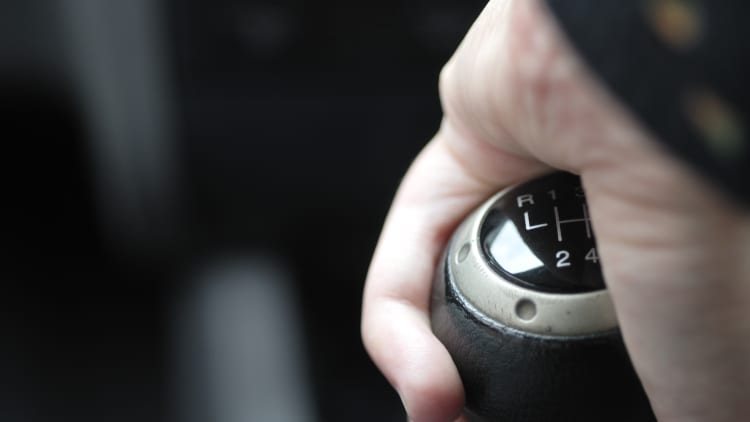
The shrinking number of manual cars has created another challenge: fewer people are learning how to drive them.
As driving schools increasingly train students using automatic vehicles, younger generations have fewer opportunities to develop manual driving skills.
This creates a cycle that reinforces itself.
Because fewer drivers know how to operate a manual transmission, fewer buyers request manual vehicles. Since demand falls, manufacturers discontinue manual options. As those vehicles disappear from dealerships, even fewer people learn to drive them.
Over time, manual driving has become less of a common life skill and more of a niche hobby shared by automotive enthusiasts.
Credits: CNBC
Why Enthusiasts Still Love Manual Cars
Despite their declining popularity, manual transmissions continue to have a fiercely loyal following.
Many enthusiasts argue that manuals provide a level of driver engagement that no automatic transmission can match. Every gear change requires concentration, coordination, and skill, creating a stronger connection between driver and machine.
Driving enthusiasts often describe manual cars as more rewarding because success depends on the driver’s ability rather than computer-controlled automation.
Manual transmissions also encourage drivers to pay closer attention to engine speed, road conditions, and vehicle behavior, making the driving experience feel more immersive.
For collectors and enthusiasts, manual cars have also become increasingly desirable because their rarity adds emotional and financial value.
Will Manual Cars Completely Disappear?
Although manuals are becoming increasingly rare, they are unlikely to vanish overnight.
Performance brands understand that a dedicated community of enthusiasts still values the traditional driving experience. Limited-production sports cars and enthusiast-focused models will probably continue offering manual gearboxes for several more years.
However, their role will become increasingly specialized.
As electric vehicles expand their market share and autonomous technology matures, manual transmissions will likely become collector’s items rather than mainstream transportation.
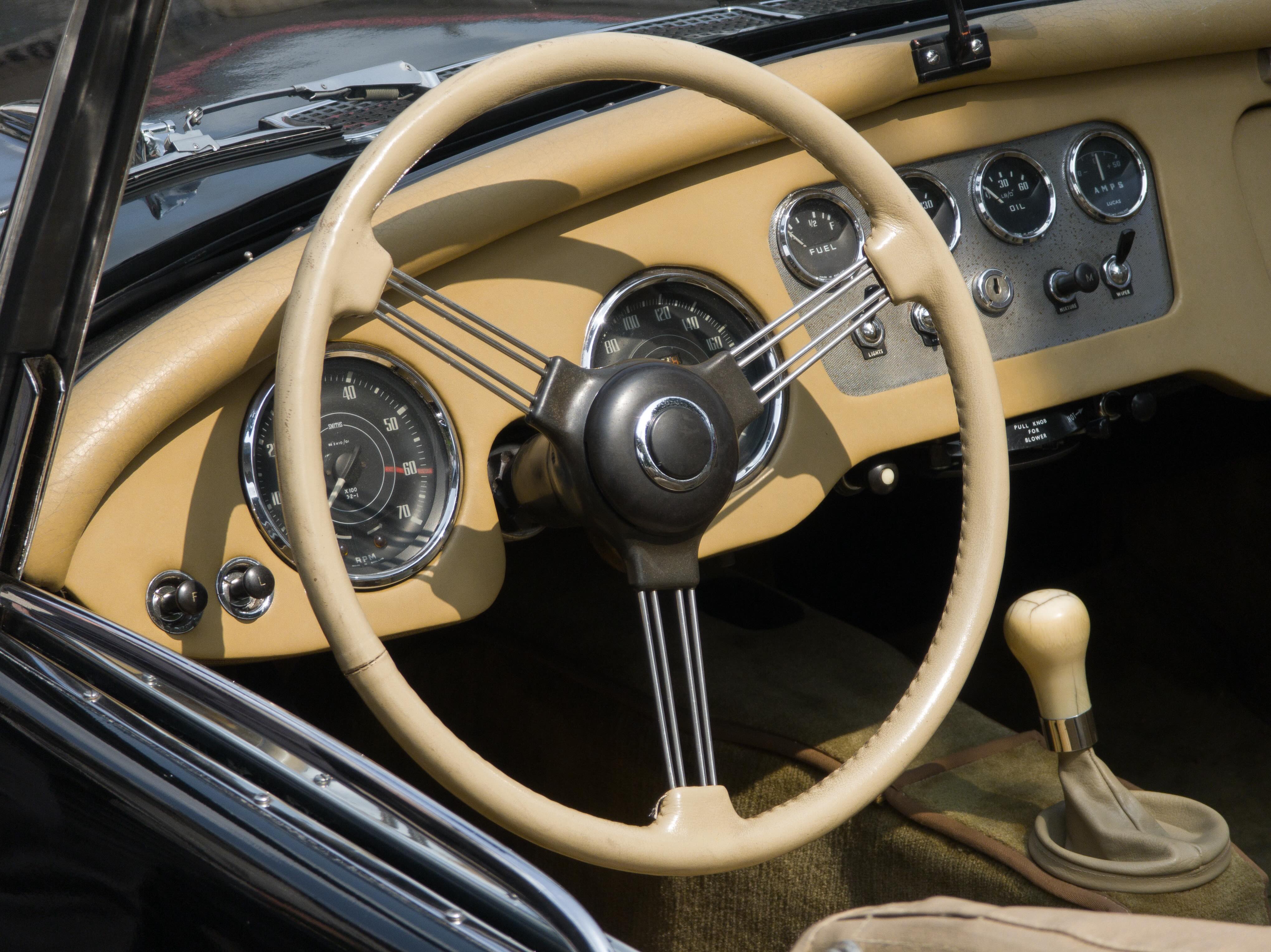
Future generations may view learning to drive a stick shift much like learning to ride a horse—not essential for daily life, but a rewarding skill that preserves an important piece of automotive history.
Credits: The Spectator
Conclusion
The disappearance of manual cars is not the result of a single technological breakthrough but the combined effect of changing consumer preferences, better automatic transmissions, the dominance of SUVs, the rise of electric vehicles, and the gradual shift toward autonomous driving. Together, these trends have transformed the automobile from a machine that demands constant driver involvement into one designed for comfort, convenience, and intelligent automation.
Yet for millions of enthusiasts, the manual transmission represents something far more meaningful than a method of changing gears. It symbolizes a time when driving was a skill to be mastered rather than a task to be simplified. While the stick shift may no longer dominate showroom floors, its legacy will continue to live on through passionate drivers who believe that some experiences simply cannot be replaced by technology.