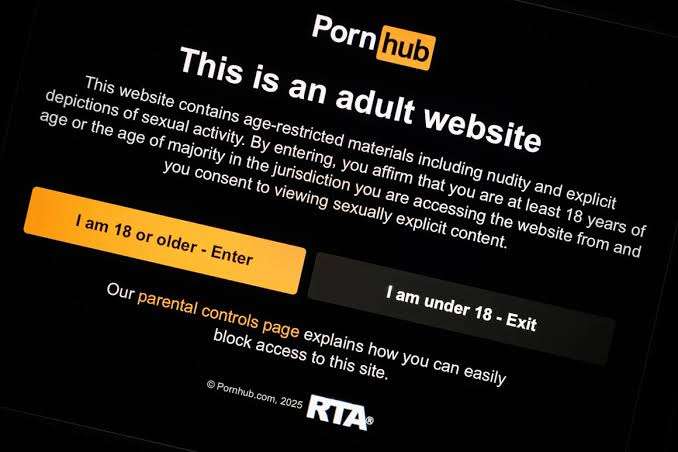
A new proposal moving through Wisconsin’s legislature could make it illegal to use a Virtual Private Network (VPN) to access adult-only websites — a move that has ignited widespread concerns about privacy and online freedom.
The measure, formally known as Wisconsin Assembly Bill 105/Senate Bill 130 (AB 105/SB 130), would require online platforms that “knowingly and intentionally distribute material harmful to minors” to block users connecting through VPNs. Supporters argue that the bill aims to strengthen age verification and protect children from inappropriate content.
The legislation, first introduced in March, has already passed debate in the Wisconsin Assembly and had its first Senate hearing on October 8, moving it one step closer to becoming law.
Balancing Child Safety and Digital Privacy
The proposed law mirrors efforts in other states and countries to mandate stricter age verification for adult sites. Proponents say such measures are necessary to ensure minors are shielded from explicit material.
However, digital rights advocates warn that the Wisconsin bill could have unintended consequences. Many users rely on VPNs to maintain anonymity, protect sensitive data, and avoid handing over personal documents — such as driver’s licenses or biometric information — to third-party verification platforms.
If the proposal becomes law, it could effectively criminalize one of the most common tools for maintaining online privacy, raising fears of government overreach, censorship, and even mass surveillance.
Similar Bills Emerging Nationwide
Wisconsin’s move comes amid a broader wave of legislation targeting VPN use in the United States. In September, Michigan lawmakers introduced a similar bill that would compel internet service providers to monitor and block VPN connections altogether. It would also prohibit promoting or selling any tools that help users bypass online restrictions — a proposal privacy advocates have called a threat to free expression.
Across the Atlantic, the UK’s Children’s Commissioner, Dame Rachel de Souza, has also called VPNs “a loophole that needs closing,” emphasizing concerns that such tools undermine the country’s age verification framework.
Critics counter that banning VPNs would not stop minors from accessing restricted content but would instead compromise the privacy and security of millions of legitimate users.
Enforcement Challenges Loom Large
Even if the Wisconsin bill passes, experts say enforcing it could be nearly impossible. VPNs work by encrypting a user’s connection and masking their real IP address, replacing it with one from a different location. As a result, websites can’t easily determine where a user is physically based.
This technical limitation means adult sites could struggle to identify whether a VPN user is located in Wisconsin or elsewhere. To comply, platforms might resort to blocking all VPN traffic globally, inadvertently cutting off users from other states and countries.
Such a scenario could expose Wisconsin residents to new risks — forcing them to submit personal data, including IDs and payment information, without encryption, increasing their vulnerability to identity theft and data breaches.
VPN Providers Fear Becoming Tools of Censorship
The legislation could also put pressure on VPN companies themselves. Privacy service providers may face demands to track users or block access to certain websites — actions that contradict their fundamental promise of privacy and security.
Proton, a Switzerland-based VPN service known for its privacy advocacy, has previously raised alarms about such legislation. Company representatives have argued that requiring VPNs to monitor or restrict users would compromise their core mission of protecting online anonymity.
Questions Remain Over Scope and Definition
The Wisconsin bill’s language leaves many gray areas. It mandates age verification for any content deemed “harmful to minors” but doesn’t clearly define what qualifies as such. Nor does it specify whether major social media platforms — which sometimes host suggestive or adult content — would be included under the same rules.
This ambiguity has fueled concerns that enforcement could become arbitrary, potentially affecting legitimate online communities, artists, or platforms hosting educational or scientific discussions involving adult themes.