X Corp., Elon Musk’s social media platform, hit a legal roadblock this week when a federal judge denied its motion to dismiss a lawsuit challenging Minnesota’s ban on election-related deepfakes. The December 3 ruling keeps the legal battle alive while dealing a significant blow to the company’s argument that it shouldn’t even be in court.
US District Judge Laura Provinzino ruled that X failed to show it has standing to bring the case-that is, the company couldn’t demonstrate it faces any concrete harm from the 2023 Minnesota law. The decision doesn’t end the lawsuit entirely, but it marks another complication for the platform’s effort to overturn restrictions on AI-generated political content.
Minnesota’s law targets deepfakes-the increasingly sophisticated fake videos and audio clips made with artificial intelligence that make people appear to say and do things they never actually did.
The statute narrowly focuses on deepfakes distributed with the intent to influence elections and provides criminal punishment for a person who knowingly distributes this type of deepfake for the purpose of deceiving voters.
X Corp. Lawsuit Against Minnesota Deepfake Law
X Corp., formerly Twitter, filed its lawsuit in April 2025, arguing the law tramples on First Amendment rights and creates a chilling effect on political speech.
The company argues its existing features, particularly Community Notes which allow users to add context to misleading posts, provide adequate guardrails without any need for government intervention.
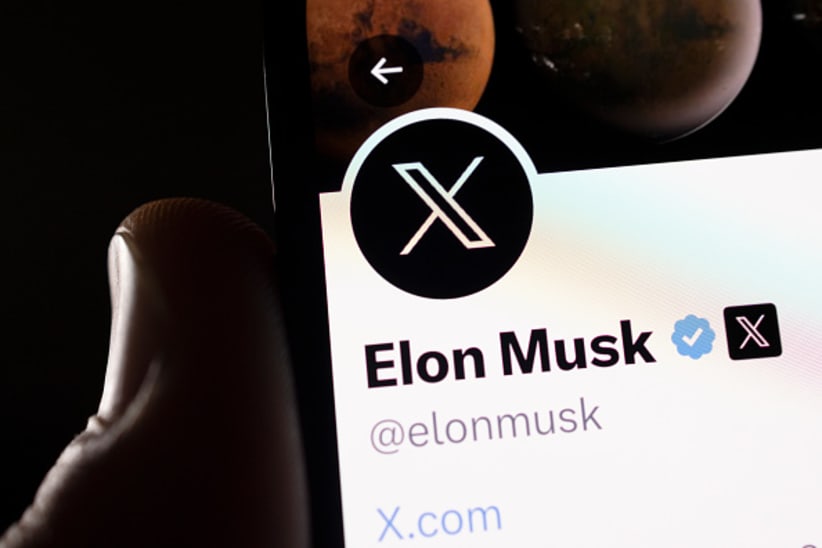
“The law violates the First Amendment, is unconstitutionally vague, and exceeds the state’s authority,” X argued in its legal filings. The company also claimed that the Minnesota statute conflicts with Section 230 of the Communications Decency Act, the federal law that generally shields online platforms from liability for user-generated content.
This is not X’s first swing at deepfake regulations. The company cited a case in California in which a very similar law faced Section 230 preemption challenges and hoped to lean on that precedent.
Judge Provinzino was not convinced, though, and back in May 2025 she had already rejected X’s Section 230 arguments due to lack of evidence that the platform actually distributes deepfakes with election-influencing intent.
The standing problem is another matter altogether. A plaintiff must, to have standing in federal court, establish an actual or imminent injury that is concrete and particularized. X apparently failed to clear that bar to the satisfaction of the judge sufficiently, at any rate, to entitle her to judgment on the pleadings, a procedural device that would have ended the case without a trial.
Free Speech, AI, and the Fight Against Disinformation
The Minnesota Attorney General’s office, led by Keith Ellison, has staunchly defended the statute as a needed shield for democratic procedures. As AI makes creating convincing, fake content easier than ever, state officials argue that voters need protection from sophisticated attempts to manipulate the election process.
“This law is essential to safeguard our elections against misleading AI content that erodes public trust,” the AG’s office said.
The state’s stance reflects increased concern by lawmakers around the country about how deepfake technology could be used during campaigns to proliferate disinformation or sabotage candidates’ reputations.
Despite this setback, X’s constitutional claims survive. The company still contends that the law is unconstitutionally vague and runs afoul of free speech protections, arguments the court will have to engage as the case unfolds. The standing issue is possibly resolvable with more evidence or refinement of its legal arguments.
This case finds itself at the intersection of rapidly evolving technology and fundamental constitutional questions. As AI-generated content becomes more realistic and accessible, courts across this country increasingly grapple with how to balance legitimate concerns over election security with the protection of political speech-even controversial or misleading speech.
For now, the Minnesota deepfake law remains on the books, and X has an uphill battle to prove both that it has standing to challenge the statute and that the law itself infringes constitutional principles. The result could influence how other states approach regulating AI-generated content in political contexts, making this far more than just another corporate lawsuit.
The case remains in the U.S. District Court for the District of Minnesota, where both sides are getting ready for the next stage of litigation.