YouTube Premium is facing another legal challenge over one of its biggest selling points: its promise of an “ad-free” viewing experience.
A second proposed class action lawsuit has been brought against YouTube and Google, with subscribers arguing that the company’s advertising of Premium is misleading because users can still encounter sponsored content embedded directly into videos. The development comes weeks after a separate lawsuit in the United States raised a similar complaint, increasing scrutiny over what “ad-free” actually means for a paid YouTube subscriber.
The latest case centers on a distinction that has become increasingly important in the digital advertising economy: the difference between advertisements inserted by a platform and promotional messages delivered by creators themselves.
The ‘Ad-Free’ Promise Under Scrutiny
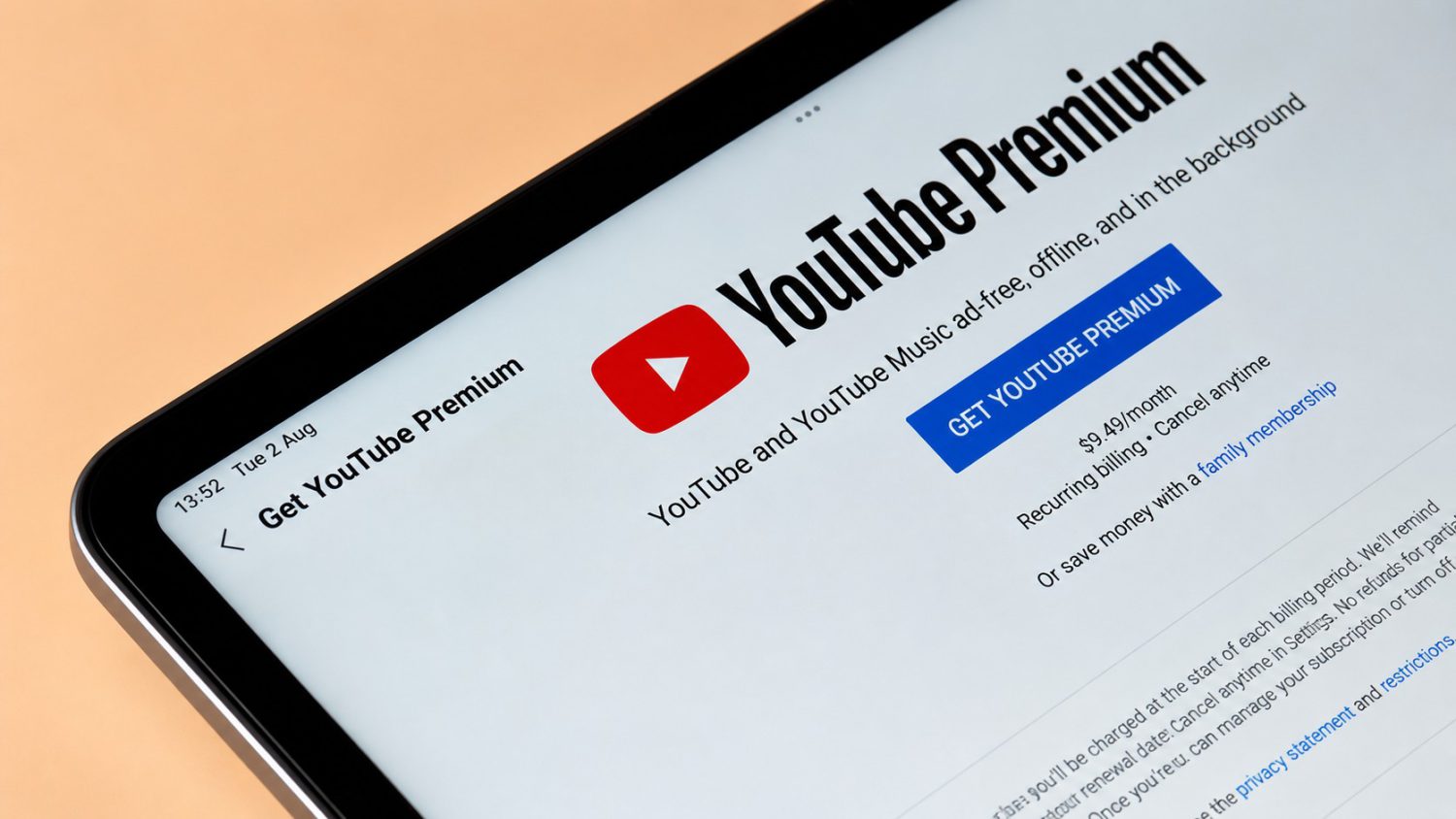
YouTube Premium is marketed as a subscription service that removes advertisements from the viewing experience. Subscribers pay a monthly fee in exchange for watching videos without the conventional advertisements that appear before, during or around content.
However, Premium cannot automatically remove a sponsorship that has been recorded directly into a creator’s video.
For example, a technology creator may stop halfway through a review to promote a software company, while a lifestyle creator may dedicate several minutes of a video to a sponsored product. These segments are part of the original video rather than advertisements dynamically inserted by YouTube.
The plaintiffs argue that this distinction does not necessarily match what consumers understand when they pay for an “ad-free” service.
From their perspective, the presence of commercial messages means that the experience is not completely advertising-free, regardless of who inserted the promotion.
A Second Lawsuit Raises the Stakes
The new lawsuit follows an earlier proposed class action filed in California in July. That case similarly alleges that YouTube Premium subscribers continue to encounter advertising and promotional material despite the service being marketed as “ad-free” and “uninterrupted.”
The emergence of another lawsuit suggests that dissatisfaction is not limited to a single group of subscribers.
The plaintiffs in these cases are seeking financial relief and changes to YouTube’s marketing practices. Among the demands is a clearer disclosure that Premium does not necessarily eliminate sponsorships or promotional segments embedded within creator-produced videos.
The lawsuits are still allegations, and no court has determined that YouTube violated consumer-protection laws.
Why Creator Sponsorships Are Different
The controversy highlights an unusual problem for YouTube.
Traditional online advertising is controlled by the platform. YouTube determines when an advertisement appears, which advertisement is shown and where it is placed. Because Premium controls this advertising system, the company can remove those ads for subscribers.
Creator sponsorships operate differently.
A creator negotiates directly with a company, incorporates the promotion into the video and uploads the finished content. YouTube does not necessarily have a separate advertisement file that it can simply remove for Premium viewers.
This model has become an important source of income for creators. Many YouTubers rely on sponsorships alongside advertising revenue, memberships, merchandise and other forms of monetization.
Removing sponsored segments for Premium subscribers could therefore have consequences for creators as well as advertisers.
What Consumers Believe They Are Buying
At the center of the lawsuits is the question of consumer expectations.
A technically precise definition of “ad-free” might mean that YouTube itself does not serve advertisements. But an ordinary subscriber may interpret the phrase more broadly.
If someone pays specifically to avoid advertising, they may reasonably expect not to be interrupted by a creator promoting a product in the middle of a video.
That becomes particularly complicated as sponsorships become increasingly integrated into content.
A traditional commercial is easy to identify. A creator casually discussing a product, demonstrating a service or recommending a brand can look much more like ordinary content.
For subscribers, the difference may therefore feel artificial.
The Fine Print Could Become Important
YouTube can argue that its terms and disclosures explain the limits of Premium.
The company has long distinguished between advertisements served by YouTube and promotions that creators have included in their own videos. From that perspective, Premium delivers what it promises: it removes platform-served advertising while leaving the creator’s original content intact.
The plaintiffs, however, appear to be challenging whether such explanations are sufficient when the headline promise presented to consumers is “ad-free.”
This could make the wording and placement of disclosures especially important as the cases move forward.
If courts determine that consumers could reasonably interpret YouTube’s marketing differently, the company could be forced to change how it describes Premium.
Could Other Streaming Platforms Be Affected?
The implications could extend beyond YouTube.
Streaming and subscription platforms increasingly use “ad-free,” “commercial-free” and similar language to differentiate premium tiers from cheaper, advertising-supported plans.
At the same time, influencer marketing has become a major part of digital entertainment. Podcasts, social media videos, livestreams and other forms of online content frequently contain sponsorships that are integrated directly into the programming.
A ruling against YouTube could encourage consumers to challenge similar claims made by other platforms.
Companies may ultimately have to be more specific about what their premium subscriptions actually eliminate.
Instead of simply promising an “ad-free” experience, platforms could be required to explain that their subscriptions remove platform-generated advertisements but do not necessarily remove sponsorships incorporated into the original content.
A Potential Problem for YouTube’s Business Model
The dispute places YouTube in a difficult position.
Premium subscribers want an uninterrupted experience. Creators, meanwhile, need multiple ways to make money, particularly as advertising rates and audience behavior fluctuate.
Creator sponsorships provide an independent revenue stream that does not disappear simply because a viewer has subscribed to Premium.
YouTube therefore has an incentive to preserve the distinction between its own advertising and creator-generated promotions.
The lawsuits challenge whether that distinction is sufficiently clear to consumers.
For now, the cases remain at an early stage, and subscribers should not assume that a settlement or compensation is guaranteed. But the emergence of multiple lawsuits puts YouTube’s “ad-free” language under a brighter legal spotlight.
The central question is ultimately straightforward: When consumers pay extra for an ad-free experience, should they still have to watch advertisements simply because those advertisements were recorded inside the video rather than inserted around it?
How courts answer that question could influence not only YouTube Premium, but the way the entire streaming industry defines—and markets—the word “ad-free.”