India’s quick-commerce race is heating up again, and Zepto has found itself back in the spotlight. The startup, founded in 2021, is preparing to raise approximately $400 million (₹3,500 crore) at a $7 billion valuation, with U.S. pension giant CalPERS expected to lead the round. While the headline valuation may look like a victory lap, the backdrop tells a more complex story—one of slowing growth, tightened cost controls, and recalibrated bets.
In this article, we’ll explore what this fundraise means for Zepto, how it fits into the competitive quick-commerce landscape, and why its growth trajectory has recently hit a pause.
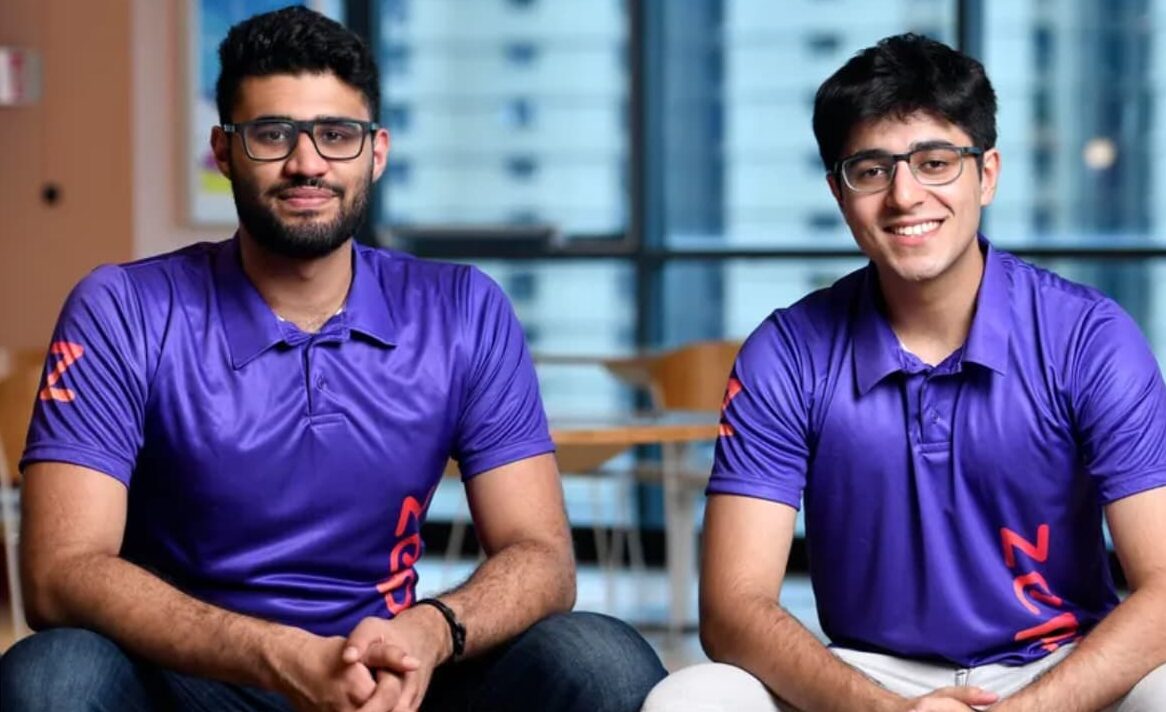
Credits: Ascendants
CalPERS Steps In: A Signal of Long-Term Confidence
The financing will reportedly be a mix of primary and secondary shares, with the lion’s share—about $350–$380 million—coming in as fresh primary capital. Existing backers such as General Catalyst, Avra, Lightspeed, Glade Brook, StepStone, and Nexus Venture Partners are also expected to participate.
For Zepto, CalPERS’ entry is significant. As one of the world’s largest pension funds, it is known for backing companies with long-term growth potential. Its lead investment suggests confidence in Zepto’s ability to not just survive the intense quick-commerce battle, but also evolve into a more sustainable business.
The Market Context: Blinkit Dominates, Instamart & Zepto in a Duel
India’s quick-commerce industry has rapidly consolidated around three major players: Blinkit, Zepto, and Swiggy Instamart. Currently, Blinkit holds the lead, while Zepto and Instamart are neck-and-neck for the second spot.
The funding boost could provide Zepto with the firepower it needs to regain momentum. Yet, there are hurdles. Its Zepto Café vertical, which promised hot food delivery in minutes, has hit turbulence. The company has shuttered 45–50 outlets, citing sourcing challenges and a shortage of trained kitchen staff. Daily orders have dropped to nearly half their earlier peak of one lakh, and marketing has slowed, reflecting a more cautious approach.
Core Grocery: From Hypergrowth to Stabilization
The larger concern for Zepto lies in its core grocery business. After tripling its GMV to $3 billion in January 2025, the company struggled to scale further, failing to hit the $4 billion mark by April. This plateau underscores the shift from aggressive growth to operational stability.
Even store expansion has slowed. Between April and May 2025, Zepto added only 22 dark stores, while Swiggy Instamart opened 118 and Blinkit added 98. This cautious pace reflects management’s push for cost discipline, with reduced headcount, curtailed discounts, and a move toward an inventory-led model to improve margins.
Despite the slowdown, Zepto’s top-line performance has been impressive. For FY25, it reported ₹11,100 crore in revenue, up a staggering 149% from ₹4,454 crore in FY24. However, profitability remains elusive, and sustaining investor confidence hinges on showing a clear path toward better margins.
New Bets and an IPO on Hold
Looking ahead, Zepto is experimenting with medicine delivery, a higher-value but more complex vertical due to regulatory hurdles. If executed well, it could provide the company with a meaningful new growth engine, but early signs suggest this will be a long game.
Meanwhile, its much-anticipated IPO has been pushed back. While initially expected in late 2025, Zepto is choosing to lean on private capital for now, sharpening operating metrics before testing the public markets. With Blinkit’s IPO plans also under speculation, the race to the bourses could become the next big chapter in India’s quick-commerce saga.
The Road Ahead
Zepto’s planned $400 million raise is both a lifeline and a launchpad. It underscores that investors are still betting on its potential, even as the company navigates slower growth and intensifying competition.
The coming months will test whether Zepto can transition from being a rapid-expansion story to a disciplined, margin-friendly business that holds its ground against Blinkit and Instamart. For now, the funding ensures that the battle for India’s quick-commerce crown is far from over.