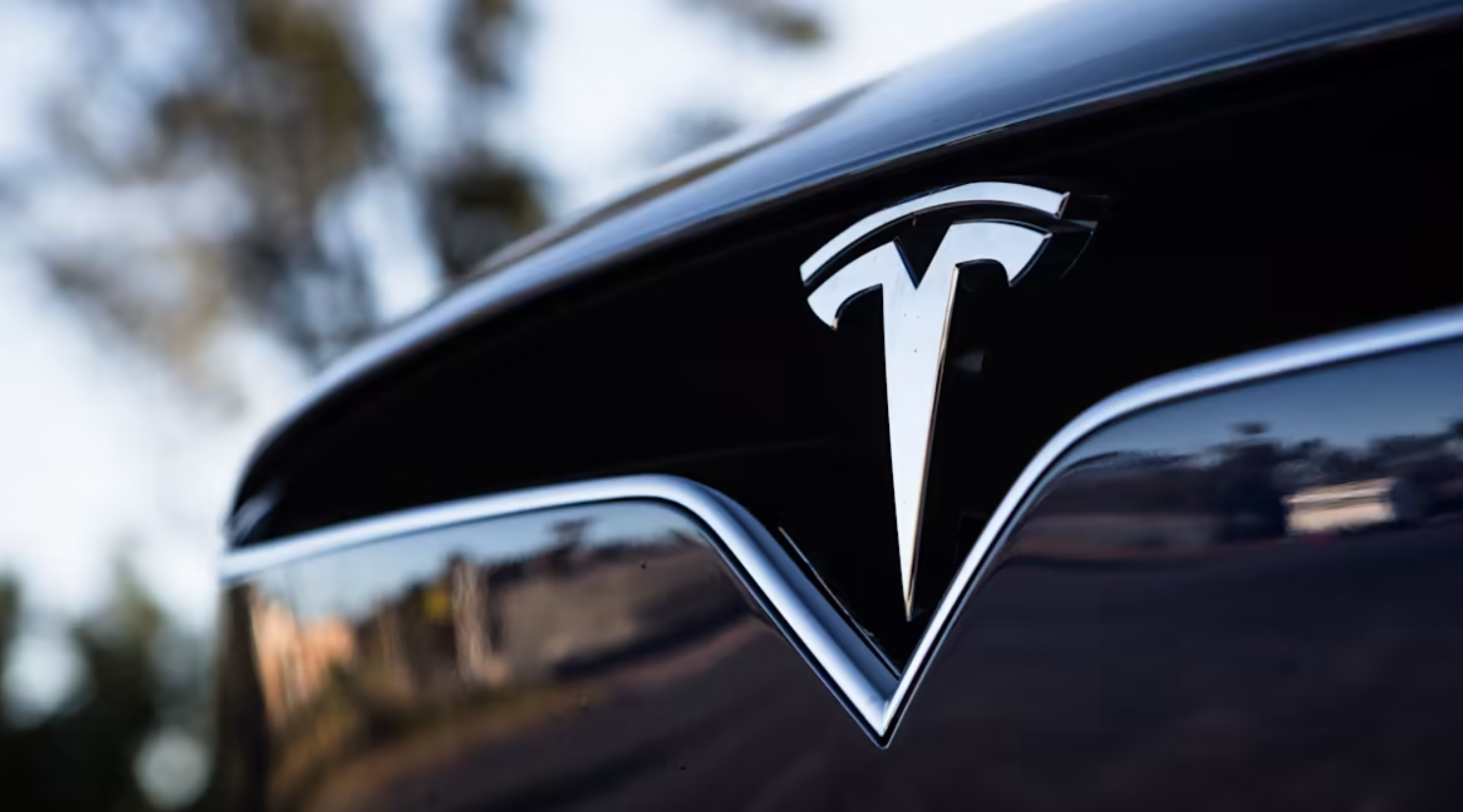
In a precedent-setting trial, a California jury has ruled that Tesla is not responsible for a tragic 2019 crash that plaintiffs alleged was caused by the company’s Autopilot system.
The lawsuit centered around the claim that Tesla knowingly deployed vehicles with a faulty Autopilot system, which ultimately led to a devastating collision resulting in the death of a Model 3 owner and severe injuries to two passengers. Micah Lee, a 37-year-old, was driving his Tesla Model 3 at 65 miles per hour on a Los Angeles-area highway when the vehicle veered off the road, crashed into a palm tree, and caught fire, tragically resulting in Lee’s death. The estate of Micah Lee, along with the two surviving victims, including an 8-year-old boy who suffered life-altering injuries, filed a lawsuit against Tesla seeking $400 million in damages.
The Court Proceedings
The crux of the plaintiffs’ case revolved around the argument that Tesla knowingly provided Micah Lee with defective software, branded as “experimental,” despite marketing claims of full self-driving capabilities that accompanied the purchase of his Model 3 in 2019. It is worth noting that Tesla’s Full Self-Driving (FSD) system was still in beta at the time of the crash and remains so to this day. Plaintiffs’ attorney Jonathan Michaels emphasized that the excessive steering command is a known issue at Tesla.
Tesla, in its defense, denied any inherent defect in the Autopilot system. The company argued that the steering anomaly highlighted by the plaintiffs’ attorneys was merely a theoretical possibility and not a real defect. Tesla contended that after identifying the theoretical issue, they swiftly devised a solution to prevent its occurrence. Furthermore, Tesla attributed the crash to human error, stating that Micah Lee had consumed alcohol before entering the vehicle, and disputed the assertion that Autopilot was engaged during the accident.
Ultimately, the jury’s verdict concluded that there was no software defect in Tesla’s Autopilot, absolving the company of any liability. This trial holds significant importance as it represents the first lawsuit related to Autopilot with a fatality at its core. However, Tesla still faces several pending trials that will undoubtedly be influenced by this verdict, affecting the legal landscape surrounding Autopilot and self-driving technology going forward.
Tesla’s Ongoing Legal Challenges
It is interesting to note that Tesla has previously faced legal challenges related to its Autopilot and Full Self-Driving systems. A class-action lawsuit filed in California in 2022 accused Tesla of deceptive marketing practices and misrepresentation of the capabilities and safety of its Autopilot and Full Self-Driving systems. Additionally, the family of a victim of a 2018 Tesla crash filed a lawsuit claiming that the Autopilot system was defective and responsible for the incident. The National Highway Traffic Safety Administration (NHTSA) has also become involved, initiating a lawsuit in 2021 that stated Tesla’s Autopilot poses safety risks, leading to an ongoing investigation into Tesla-linked crashes.
In the United States, the NHTSA has issued a recall of over 800,000 Tesla vehicles due to concerns about the Autopilot system. Furthermore, the European Union is evaluating the possibility of banning Tesla’s Full Self-Driving system from European roads, underscoring the seriousness of the legal challenges Tesla faces as it navigates the complex landscape of autonomous driving technology.
Analyzing Tesla’s Success in Autopilot Cases
It is important to examine the juxtaposition of Tesla’s victories in Autopilot-related cases, including the recent landmark trial, despite concerns raised by the National Highway Traffic Safety Administration (NHTSA) about the safety and effectiveness of Tesla’s Autopilot system. While the NHTSA has ordered recalls and launched investigations into Tesla’s Autopilot, Tesla has managed to successfully defend itself in court.
One possible explanation for Tesla’s success in these cases is the interpretation of the evidence and the burden of proof required for establishing liability. The legal system requires a high standard of proof to hold a defendant responsible, and proving that a company knowingly provided defective software can be challenging. Tesla has consistently argued that any issues with the Autopilot system were theoretical possibilities and that they promptly addressed those concerns.
Another factor that may contribute to Tesla’s success is its ability to present its technologies and systems as constantly improving and in a state of development. Tesla has marketed its Autopilot and Full Self-Driving features as beta versions, acknowledging that they are not entirely flawless or infallible. This positioning may influence judges and juries to view any incidents or accidents as potentially stemming from user error or unforeseen circumstances rather than inherent defects in Tesla’s systems.
Furthermore, one should consider the resources and influence that a tech giant like Tesla possesses. With a strong legal team and significant financial backing, Tesla has the ability to mount a robust defense in court. This, coupled with the potential for technical complexities and expert opinions in cases involving Autopilot and Full Self-Driving systems, could make it challenging for plaintiffs to establish liability beyond a reasonable doubt.
In cases involving autonomous driving technologies, where the line between human responsibility and machine autonomy is blurred, fair judgment becomes even more difficult. Technological advancements often outpace the legal framework, leading to ambiguities and challenges when determining liability. As technology companies like Tesla continue to develop and deploy these systems, it is imperative that legal systems adapt and develop clear guidelines and standards to properly address the complexities of these cases.