• Send Us A Tip
  • Calling all Tech Writers
  • Advertise
Friday, June 26, 2026
  • Login
TechStory
  • News
  • Crypto
  • Gadgets
  • Memes
  • Gaming
  • Cars
  • AI
  • Startups
  • Markets
  • How to
No Result
View All Result
  • News
  • Crypto
  • Gadgets
  • Memes
  • Gaming
  • Cars
  • AI
  • Startups
  • Markets
  • How to
No Result
View All Result
TechStory
No Result
View All Result
Home Cars

Ford Mustang Sales Decline by 31.6%, Electric Mach-E Surges Ahead

by Samir Gautam
April 12, 2025
in Cars, Electric Vehicles
Reading Time: 3 mins read
0
Ford Mustang Sales Decline by 31.6%, Electric Mach-E Surges Ahead
TwitterWhatsappLinkedin

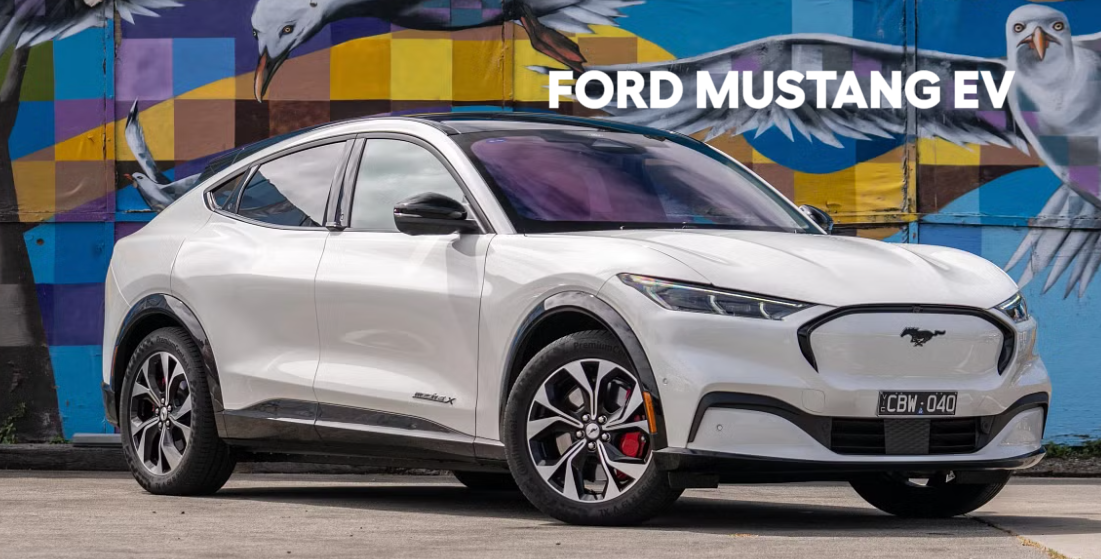
The legendary Ford Mustang, long celebrated as a symbol of American muscle, is experiencing a sharp decline in sales, with figures dropping by a staggering 31.6% in the first quarter of 2025 compared to the same period last year. Ford sold just 9,377 Mustangs in the first three months of 2025, down from 13,707 units during the same timeframe in 2024. Meanwhile, the electric Mustang Mach-E has surpassed its gasoline counterpart, with 11,607 units sold in Q1 of 2025, signaling a notable shift in consumer preferences toward electric vehicles (EVs).

You might also like

Polestar Faces U.S. Sales Halt From 2027 After Commerce Department Denial

Ferrari Appoints Former BMW Italy Chief as Marketing Head After Luce EV Backlash

Are CVT Transmissions Reliable? What Drivers Need to Know Before Buying

Price, Practicality, and Competition Fuel the Decline

Several factors have contributed to the Mustang’s steep sales drop. First and foremost, the rising price of the Mustang lineup has put the vehicle out of reach for many consumers. The base Ecoboost coupe, which starts at $33,515, may seem affordable at first glance, but for many, it’s simply not justifiable in the current economic climate. With wages failing to keep pace with inflation, many potential buyers are no longer able to justify the expense of owning a second vehicle, especially one that’s not particularly practical for daily use.

This issue becomes even more pronounced with the Mustang’s performance-focused variants. The GT coupe, equipped with a V8 engine, starts at $47,055, a significant leap in price. At this price point, the Mustang faces stiff competition from rivals like the Nissan Z and Toyota Supra, both of which offer comparable performance and driving dynamics at more attractive price points.

Changing Consumer Priorities

Beyond pricing, another key factor in the Mustang’s struggle is the changing priorities of modern consumers. While the Mustang was once the quintessential symbol of personal freedom and adventure, today’s buyers are increasingly focused on practicality, fuel efficiency, and environmental consciousness. The idea of owning a two-door coupe with rear-wheel drive as a primary vehicle is no longer as appealing, particularly as gas prices remain high and concerns about climate change continue to grow.

Moreover, the rise of electric vehicles, led by models like the Mach-E, has made it clear that a shift is underway in the automotive market. Consumers are gravitating toward EVs for their lower environmental impact, improved fuel economy, and lower long-term maintenance costs. The Mustang Mach-E, Ford’s first all-electric SUV, has capitalized on this shift, surpassing its gasoline-powered counterpart in sales and demonstrating the increasing demand for cleaner, greener alternatives.

Weather Woes and Changing Seasons

Another factor that may have influenced Mustang sales is the harsh weather conditions that affected much of the U.S. during the early months of 2025. With the first quarter marked by an unusually cold winter, many consumers were likely less inclined to visit dealerships or purchase sports cars, which are often seen as less practical during colder months. Cold weather doesn’t typically inspire enthusiasm for high-performance vehicles like the Mustang, and the combination of financial constraints and seasonality likely contributed to the sales slump.

The Rise of the Mach-E: Ford’s Electric Future

While the Mustang’s struggles in the sales department may be concerning for Ford, the success of the Mustang Mach-E offers a glimpse of hope for the automaker’s future. The Mach-E, a fully electric SUV that has garnered rave reviews for its performance, design, and technology, now leads the charge for Ford in the electric vehicle market. With consumer demand for electric cars steadily rising, Ford is well-positioned to capitalize on the growing market for EVs, and the Mach-E’s strong sales show that the company is successfully navigating this transition.

Conclusion: The Future of Ford’s Iconic Pony Car

As the automotive industry continues to evolve, the decline of the traditional gasoline-powered Mustang is emblematic of the broader shift toward electric vehicles. Ford will need to adapt to this change if it hopes to maintain its place as a key player in the performance car market. While the Mustang may no longer be the best-seller it once was, the success of the Mach-E highlights Ford’s commitment to innovation and its ability to meet the demands of an increasingly eco-conscious and tech-savvy consumer base.

The road ahead may be uncertain for the classic Mustang, but with its electric counterpart leading the charge, Ford’s future in the automotive landscape looks brighter than ever.


Tags: Ford EVFord Mustang
Tweet55SendShare15
Previous Post

Weekly Startup Funding News: Indian startups raised $195 Mn this week; from Juspay to Noise

Next Post

GM Reduces Production of BrightDrop EV Vans, Idles Canadian Facility Through 2025

Samir Gautam

Recommended For You

Polestar Faces U.S. Sales Halt From 2027 After Commerce Department Denial

by Samir Gautam
June 26, 2026
0

SEO Title: Polestar U.S. Sales Halted From 2027 Under Connected Vehicle Rule Slug: polestar-us-sales-halted-connected-vehicle-rule-2027 Keyphrase: Polestar U.S. sales halt Meta Description: Polestar U.S. sales halt begins with the...

Read more

Ferrari Appoints Former BMW Italy Chief as Marketing Head After Luce EV Backlash

by Samir Gautam
June 26, 2026
0
Ferrari Appoints Former BMW Italy Chief as Marketing Head After Luce EV Backlash

Ferrari has announced a major leadership change just weeks after its first fully electric vehicle, the Luce, triggered one of the most divisive reactions in the company’s recent...

Read more

Are CVT Transmissions Reliable? What Drivers Need to Know Before Buying

by Samir Gautam
June 25, 2026
0
Continuously Variable Transmissions, better known as CVTs, have become one of the most debated features in modern cars. They are praised for fuel efficiency and smooth city driving, but many buyers still hesitate when they see CVT listed on a spec sheet. The short answer is yes, CVTs can be reliable. But reliability depends heavily on the manufacturer, model year, driving habits, and maintenance history. A well-designed, properly maintained CVT can provide years of trouble-free service. A neglected one can become an expensive headache. Unlike a conventional automatic transmission, which uses fixed gears, a CVT uses variable pulleys connected by a steel belt or chain. This allows the engine to stay within its most efficient rev range, helping improve fuel economy and reduce jerky gear changes. The trade-off is that the system can be more sensitive to heat, fluid condition, and heavy loads. Why CVTs Earned a Mixed Reputation CVTs did not gain their reputation overnight. Some early models, particularly from the late 2000s and early 2010s, experienced issues such as overheating, hesitation, shuddering, and premature failure. Nissan’s older CVT-equipped cars are often mentioned in these discussions, and those experiences shaped public perception of the technology. However, it is important not to judge every CVT by the same standard. Modern versions have improved significantly through better cooling systems, updated software, stronger internal components, and more refined calibration. Brands such as Honda, Toyota, and Subaru have also continued to improve their CVT systems over time. Toyota’s hybrid e-CVT deserves a separate mention. Despite the name, it works differently from a belt-driven CVT and has developed a particularly strong reputation for durability in hybrid vehicles. Maintenance Makes the Biggest Difference A CVT is not a fit-and-forget component. The transmission fluid plays a crucial role because it lubricates the internal parts, controls hydraulic pressure, and helps manage heat. When the fluid becomes old or contaminated, the belt, pulleys, and bearings can wear faster. Many specialists recommend changing CVT fluid between 30,000 and 60,000 miles, depending on the vehicle, driving conditions, and manufacturer guidance. A drain-and-fill service is generally preferred over an aggressive pressurised flush. Using the exact fluid specified by the automaker also matters, as CVT fluids are not interchangeable with regular automatic transmission fluid. Drivers who regularly tow heavy loads, drive in extreme heat, tackle steep roads, or spend long hours in stop-start traffic should be especially careful. These conditions raise transmission temperatures and place more strain on the system. Warning Signs Owners Should Not Ignore A healthy CVT should feel smooth and predictable. If the car begins to shudder while accelerating, produces a new whining noise, hesitates when moving into Drive or Reverse, or revs without gaining speed, it is worth getting checked quickly. Ignoring early symptoms can turn a manageable fluid, sensor, or software issue into a full transmission replacement. That is where CVTs can become costly, because many units are replaced rather than rebuilt. The Verdict CVTs are not automatically unreliable, and they are not automatically the best choice for every driver either. For everyday commuting, city use, and fuel-conscious buyers, a modern CVT can be a sensible option. It delivers smooth performance and often better fuel economy than a conventional automatic. For buyers who tow regularly, drive aggressively, or want a transmission built for high torque and hard use, a traditional torque-converter automatic may still offer more confidence. The smartest approach is simple: research the exact model and year, check service records carefully, and do not skip CVT fluid maintenance. The badge on the car matters less than the engineering behind it and the care it receives.

Continuously Variable Transmissions, better known as CVTs, have become one of the most debated features in modern cars. They are praised for fuel efficiency and smooth city driving,...

Read more
Next Post
GM Reduces Production of BrightDrop EV Vans, Idles Canadian Facility Through 2025

GM Reduces Production of BrightDrop EV Vans, Idles Canadian Facility Through 2025

Please login to join discussion

Techstory

Tech and Business News from around the world. Follow along for latest in the world of Tech, AI, Crypto, EVs, Business Personalities and more.
reach us at info@techstory.in

Advertise With Us

Reach out at - info@techstory.in

Aviator Game India 2026

BROWSE BY TAG

#Crypto #howto 2024 acquisition AI amazon Apple Artificial Intelligence bitcoin Business China cryptocurrency e-commerce electric vehicles Elon Musk Ethereum facebook funding Gaming Google India Instagram Investment ios iPhone IPO Market Markets Meta Microsoft News OpenAI samsung Social Media SpaceX startup startups tech technology Tesla TikTok trend trending twitter US

© 2025 Techstory.in

No Result
View All Result
  • News
  • Crypto
  • Gadgets
  • Memes
  • Gaming
  • Cars
  • AI
  • Startups
  • Markets
  • How to

© 2025 Techstory.in

Welcome Back!

Login to your account below

Forgotten Password?

Retrieve your password

Please enter your username or email address to reset your password.

Log In
Are you sure want to unlock this post?
Unlock left : 0
Are you sure want to cancel subscription?