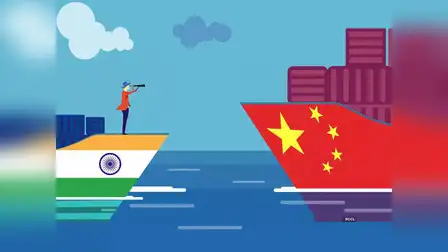
India is preparing to introduce a landmark policy that will cap Chinese equity in domestic electronics joint ventures at just 10 percent, making such investments contingent on the transfer of advanced technology to Indian partners. The move, which comes amid ongoing geopolitical tensions and a global push to diversify supply chains, reflects New Delhi’s growing determination to build a resilient, self-sufficient electronics manufacturing ecosystem and reduce its reliance on Chinese suppliers.
Policy Shift: Technology for Stake, Not Just Capital
According to officials involved in the policy discussions, the new cap will apply to all Chinese investments in Indian electronics joint ventures, with a clear mandate that any equity participation must be tied to meaningful technology transfer. The government’s primary objective is to ensure that Indian firms gain access to the technical know-how and manufacturing expertise necessary to compete globally, rather than simply opening the door to foreign capital.
This approach marks a significant departure from previous policies, where foreign direct investment was often welcomed without strict conditions on technology sharing. By insisting on a “tech-for-stake” model, India aims to foster indigenous capabilities, especially in areas where domestic expertise remains limited. The policy will prioritize Chinese electronics contract manufacturers and supply chain partners over consumer-facing brands, reflecting the Centre’s intent to nurture a robust local manufacturing base rather than simply facilitating market access for foreign brands.
Reducing Dependency and Building Resilience:
The decision to cap Chinese investment is rooted in India’s broader concerns about overdependence on Chinese supply chains in critical sectors such as electronics, drilling machinery, and solar panel equipment. Officials have pointed to the experience of countries like Vietnam, where Chinese firms have come to dominate the electronics manufacturing landscape, as a cautionary tale India is keen to avoid.
The new policy is also a response to shifting global trade dynamics. With Chinese companies facing mounting barriers to the US market due to escalating tariffs, many are seeking alternative destinations for investment and expansion. Indian authorities have observed a greater willingness among Chinese firms to comply with technology transfer requirements, given the challenges they now face in other major markets.
At the same time, the Indian government is signaling its readiness to support domestic companies in expanding into the US market, as negotiations for a bilateral trade agreement gain momentum. By strengthening its own electronics ecosystem and reducing exposure to Chinese supply chains, India hopes to position itself as a credible alternative for global brands seeking to relocate manufacturing operations out of China.
Industry Impact and the Road Ahead:
Industry observers believe the new policy will have far-reaching implications for both Indian and Chinese companies. For Indian electronics manufacturers, the focus on technology transfer offers a pathway to upgrade capabilities, nurture talent, and climb the value chain. For Chinese firms, the cap means that future participation in India’s fast-growing electronics market will require a genuine commitment to sharing intellectual property and manufacturing know-how.
The move is also expected to encourage greater investment from non-Chinese global players, as India positions itself as a stable and attractive destination for electronics manufacturing. By tightly regulating foreign participation and linking it to domestic capacity-building, the government aims to lay the foundation for a more resilient and competitive sector.
As India prepares to implement these new rules, the message is clear: the era of unfettered foreign investment in critical sectors is over. Instead, India is charting a course that balances openness with strategic caution, ensuring that every partnership contributes to the nation’s long-term technological and economic self-reliance.