India’s digital payments ecosystem is entering a new phase as the National Payments Corporation of India (NPCI) introduces a revised Merchant Discount Rate (MDR) framework for certain UPI transactions. While BharatPe has welcomed the changes, its former CEO and co-founder Ashneer Grover has criticised the move, arguing that the cost could eventually reach consumers.
The contrasting views have also prompted BharatPe to publicly clarify that Grover’s comments do not represent the company’s position.
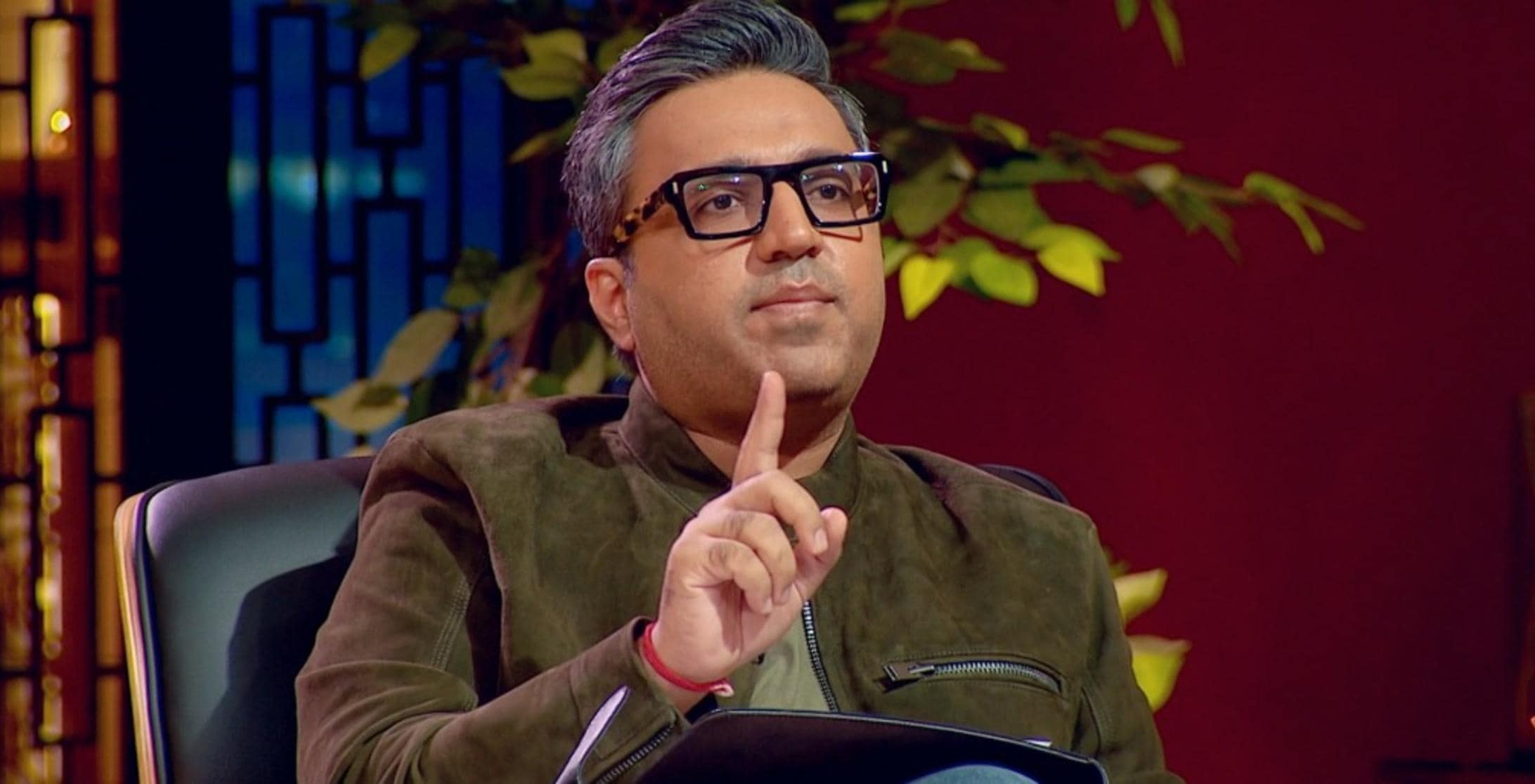
Credits: Fact Net
BharatPe Says New MDR Framework Will Strengthen UPI Ecosystem
BharatPe has backed the new MDR framework, describing it as an important step towards creating a stronger and more sustainable digital payments ecosystem.
Nalin Negi, CEO of BharatPe, said the framework would allow UPI to remain free for consumers while creating a more sustainable structure for payments infrastructure. According to Negi, consumers will continue to pay no charges for UPI transactions, while micro and small merchants covered under the person-to-person merchant (P2PM) framework will remain protected through Zero MDR.
“The new MDR framework proves that UPI will remain free for consumers while building a sustainable, robust and stronger payments ecosystem,” Negi said, according to news agency ANI.
The company believes the revised structure could help support the expansion of merchant acceptance and digital payment infrastructure, particularly in smaller cities and underserved markets.
Citing NPCI data, Negi said around 96% of person-to-merchant (P2M) transactions will remain unaffected under the new framework. He added that the approach would create resources to expand payment acceptance and digital infrastructure without placing additional pressure on micro and small merchants.
For BharatPe, which has built its business around serving India’s small merchants, the protection of this segment remains central to its position.
“BharatPe has always been a champion of the small merchant, and we strongly support this approach that protects them while strengthening the ecosystem they depend on,” Negi said.
BharatPe Distances Itself From Ashneer Grover’s Remarks
While BharatPe has supported the MDR changes, Grover has taken a sharply different view of the framework.
The former BharatPe CEO has criticised the introduction of merchant charges on certain UPI transactions above ₹2,000 and questioned whether businesses will ultimately absorb the additional cost.
BharatPe has now made it clear that Grover’s comments should not be interpreted as the company’s position.
A company spokesperson said Grover has had no association with BharatPe since 2024 and is neither a shareholder nor associated with the company in any capacity.
“Mr. Grover has had no association with BharatPe since 2024 and is neither a shareholder nor associated with the company in any capacity,” the spokesperson said.
The company also urged media organisations not to attribute Grover’s views to BharatPe.
The clarification is significant because Grover remains closely associated with BharatPe in the public conversation, having co-founded the fintech company and served as its CEO. However, the company has emphasised that its current position is represented by its present leadership and authorised spokespersons.
What Ashneer Grover Said About UPI Charges
Grover has argued that the debate around MDR should focus on who ultimately bears the cost.
In a television interview with Times Now, he questioned the distinction between a charge and a tax, particularly if the additional cost eventually gets passed on to customers.
When asked about the argument that only consumers who can afford the additional fee would be affected, Grover challenged the premise.
“Then call it tax. Why are you calling it a ‘charge’, ‘MDR’, or claiming that it won’t affect the customer?” Grover said.
His comments highlight a broader concern surrounding the economics of India’s UPI ecosystem: while consumers have become accustomed to making digital payments without direct transaction charges, payment infrastructure still carries costs for banks, payment platforms and merchants.
The new MDR framework is therefore aimed at addressing the sustainability of the ecosystem while maintaining zero charges for consumers under the stated framework.
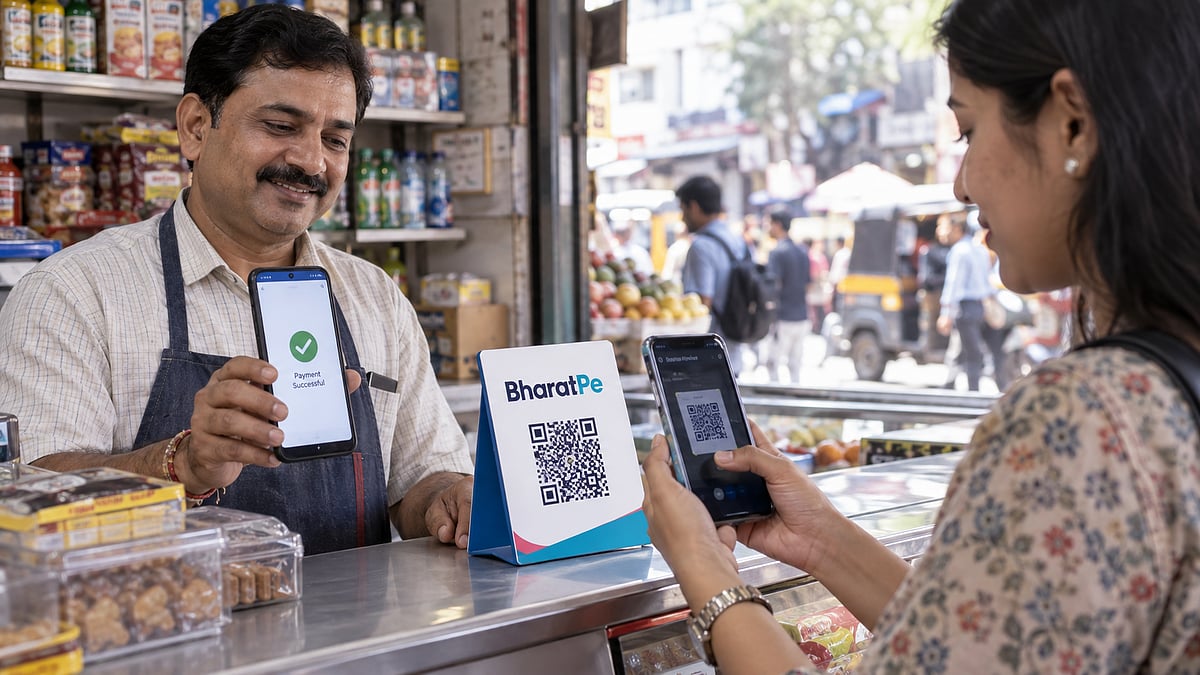
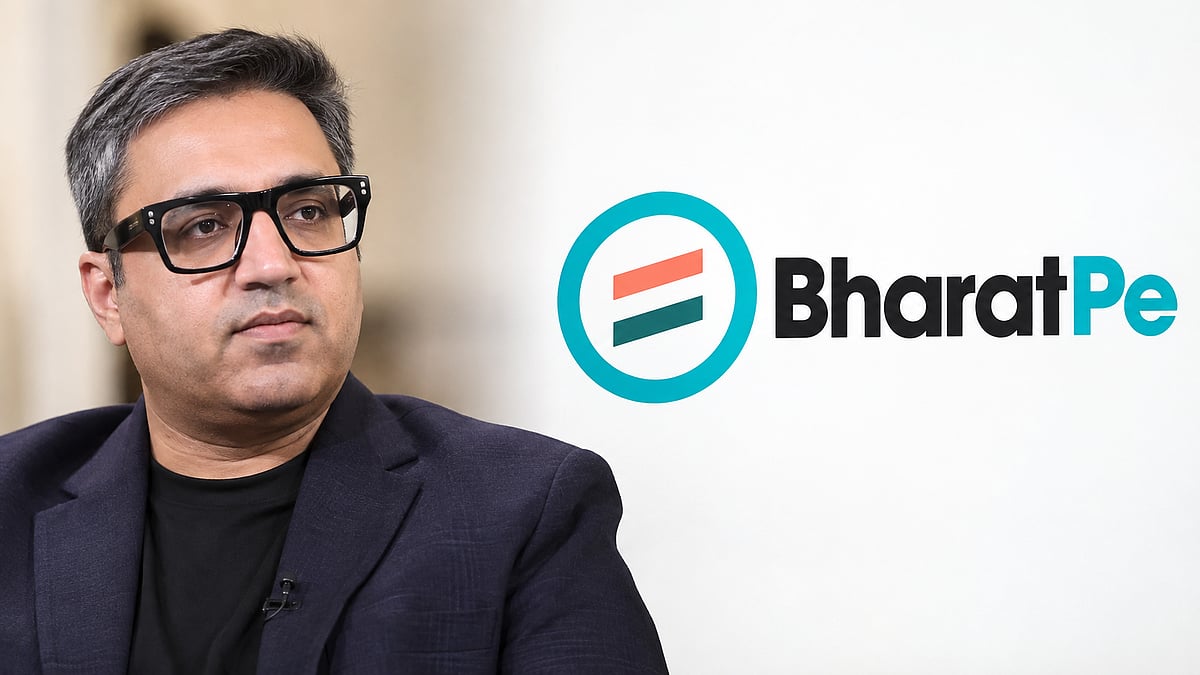
Credits: Free Press Journal
For merchants, however, the impact depends on the transaction category and the applicable MDR structure. BharatPe’s position is that the majority of P2M transactions will remain unaffected and that protections for smaller merchants will continue.
The disagreement between BharatPe and its former CEO ultimately reflects two different perspectives on the same policy shift. BharatPe is focusing on the long-term sustainability of India’s digital payments infrastructure, while Grover has raised questions about whether transaction costs could eventually find their way to consumers.
As UPI continues to expand across India, the balance between keeping payments accessible, protecting small merchants and ensuring a financially sustainable ecosystem will remain central to the MDR debate.