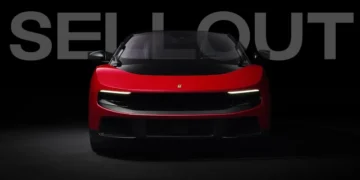
Stellantis, the auto giant behind Jeep, Ram, Dodge, and Fiat, is having a rough 2025. The company just posted a jaw-dropping $2.68 billion net loss for the first half of the year. Tariffs, weak sales in North America and Europe, and messy production delays are hitting hard.
Antonio Filosa, who stepped in as CEO in May, now has one of the toughest jobs in the industry: turning this ship around.
Tariffs: The First Blow, Not the Last
The most immediate hit? Tariffs. Stellantis says it’s already cost the company $300 million. But the damage runs deeper. These new trade rules have forced Stellantis to rethink supply chains, scrap production plans, and restructure operations across key markets. And all that disruption isn’t going to pay off until late next year, if it does at all.
On top of that, the company is dealing with rising production costs, unfavorable currency shifts, and unplanned factory shutdowns to avoid overstocking. It’s like getting punched from all directions.
North America’s 25% Sales Drop Is the Biggest Red Flag
North America used to be Stellantis’ stronghold. Not anymore. Shipments fell by 109,000 units, down 25% compared to last year.
Fleet sales dried up, partly due to shaky economic signals. The much-hyped Ram EV? Off to a slow start. And let’s be honest: Ford and GM are simply moving faster and hitting harder in the EV space.
Jeep and Ram still have loyal fans, but shifting demand and tough pricing battles have clearly dented sales.
Europe’s Not Doing Great Either
In Europe, the issues are different but just as painful. Two of the brand’s key launches, the Fiat 500 Hybrid and Smart Car’s new lineup, are stuck in production limbo. That means fewer new cars on the road and more frustrated dealers.
Throw in tighter environmental rules, economic slowdowns in Germany and France, and a backlog of unsold inventory, and it’s no surprise things are looking bleak.
Surprise: Emerging Markets Are Keeping the Engine Running
It’s not all doom and gloom. Sales in the Middle East and Africa shot up by 30%, and South America jumped 20%.
Why? Cheaper models, fewer tariff headaches, and better local manufacturing setups. These markets may not carry the prestige of Europe or the revenue of North America, but right now, they’re keeping Stellantis afloat.
Filosa’s Game Plan: Fix from Within
CEO Antonio Filosa isn’t panicking, at least not publicly. He’s made it clear: Stellantis won’t be selling off any brands, even though rumors keep swirling around Maserati and Chrysler.
Instead, he’s focusing on:
-
Speeding up EV and hybrid production
-
Cutting costs (without big layoffs for now)
-
Getting model launches back on track
“There’s nothing wrong at Stellantis that can’t be fixed by what’s right at Stellantis,” he said recently. Sounds optimistic. Time will tell.
So, What’s Next?
The second half of 2025 is make-or-break. Stellantis needs to get its factories humming, its EVs moving, and its biggest markets buying again.
If Filosa can pull that off, he might just earn his turnaround stripes. If not, this year’s $2.68 billion loss might just be a preview of what’s to come.
The Bottom Line
Stellantis is in trouble, no question. But it’s not out of the game. With the right moves and a little help from markets that are still growing, it might just find a way through the storm. The next few months will reveal whether this giant can stand back up—or keep stumbling.