Elon Musk’s Starlink is finally set to make its official debut in India, offering fast and reliable satellite internet to underserved rural regions. But even before its first dish is installed, Starlink finds itself at the center of a global controversy—one that India cannot afford to ignore.
Credits: The Indian Express
A Long-Awaited Launch, with Limits
Union Minister of State for Telecom Pemmasani Chandra Sekhar recently confirmed that Starlink will be allowed to provide up to 20 lakh connections in India, promising speeds of up to 200 Mbps. The cost? Around ₹3,000 per month, which is steep for rural users but may still find takers in connectivity-starved regions.
The launch follows regulatory approval from IN-SPACe (Indian National Space Promotion and Authorization Centre) earlier this month, ending years of delays due to national security concerns. Starlink has received three crucial licenses:
-
GMPCS: For satellite-based mobile communication
-
VSAT: To set up small satellite ground stations
-
ISP Category-A: To operate as a nationwide internet provider
These approvals place Starlink alongside OneWeb and Jio as one of the three satellite internet providers in India. The company has also partnered with telecom giants Airtel and Jio, using their dealer networks for distribution.
A Global Lifeline… for Scammers Too
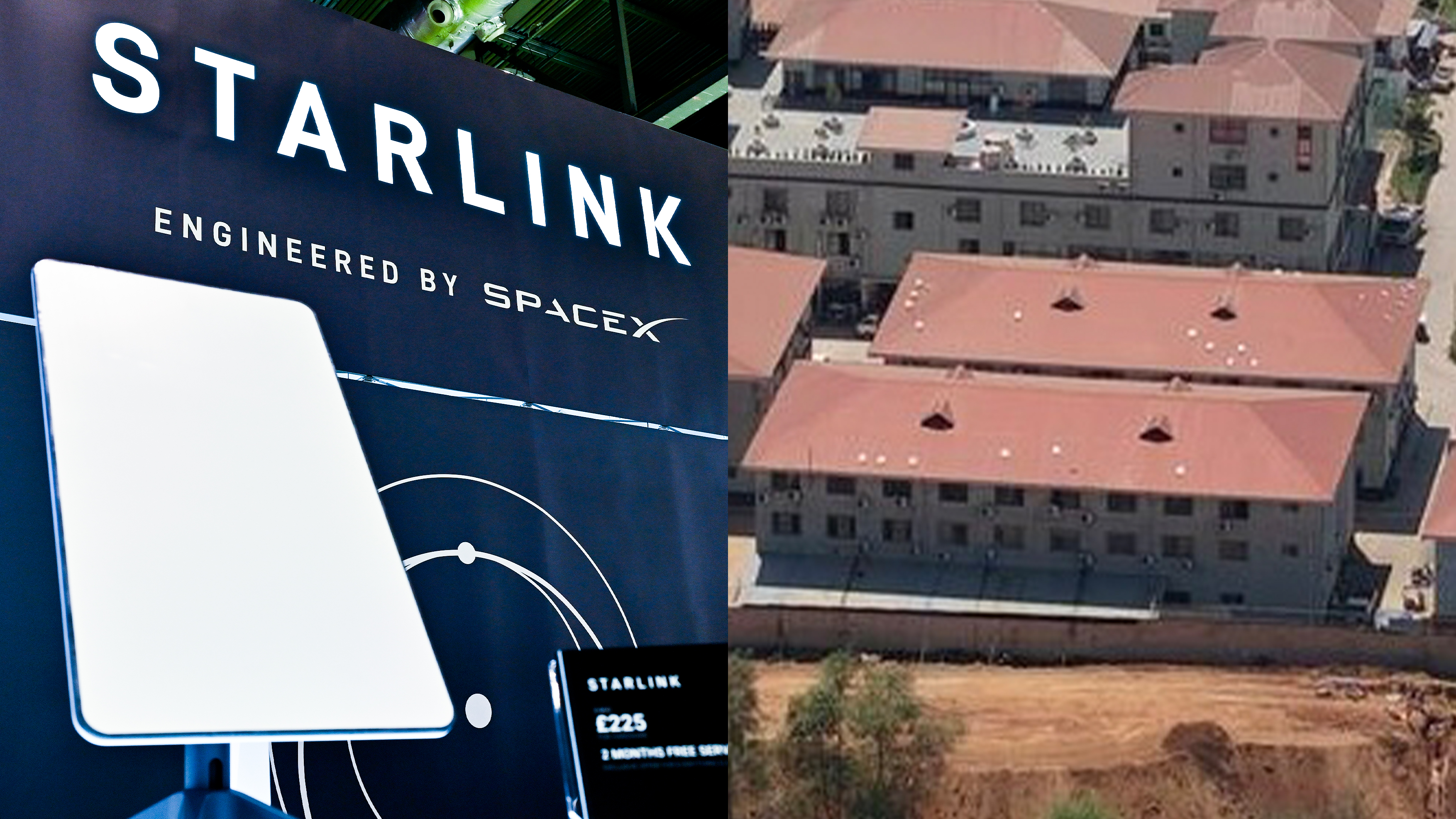
While Starlink’s core mission is to connect the unconnected, its capabilities have inadvertently made it a favorite among criminal syndicates. In the U.S., Senator Maggie Hassan recently questioned SpaceX after reports emerged that scam compounds in Southeast Asia were using Starlink to operate illegal businesses—despite the service not being officially available in those regions.
A Wired investigation revealed that these compounds, particularly in Myanmar and Cambodia, used Starlink devices over 40,000 times in three months. Run by organized crime networks, these hubs trafficked people—including hundreds of Indians—to carry out cyber scams like the notorious “pig butchering” schemes, where fraudsters build fake online relationships to con victims out of money.
Starlink’s ability to work even in the most remote locations—with no dependence on local telecom infrastructure—has allowed these operations to stay online despite attempts by authorities to shut them down.
India’s Growing Cybercrime Nightmare
The timing of Starlink’s entry raises red flags for India, which is already grappling with a surge in tech-enabled scams. What once began as basic phone frauds in rural areas like Mewat has evolved into an elaborate web of UPI frauds, job scams, and digital arrest rackets.
Many Indian victims have been lured abroad with promises of employment, only to be trafficked into scam compounds similar to those now associated with Starlink devices. Social media platforms like Telegram and Facebook have become key tools for these scams—spreading fake job ads, phishing links, and money mule recruitment posts.
With cybercriminals often based overseas and masked behind anonymizing tools, Indian law enforcement is already stretched thin. Add satellite internet into the mix—and the challenge becomes significantly more complex.
Balancing Connectivity with Security
There’s no doubt that Starlink could be a game-changer for rural India, where patchy or non-existent internet has long hindered access to education, healthcare, and financial inclusion. But as the line between empowerment and exploitation blurs, the Indian government faces a critical test: Can it welcome Starlink without creating new vulnerabilities?
The security-related delays that initially stalled Starlink’s entry now seem prescient. The same features that make Starlink a tool for progress—portability, autonomy, and high-speed access—can just as easily be exploited by bad actors seeking to operate outside the reach of national laws.
Credits: Nikkei Asia
Conclusion: A Double-Edged Satellite
Starlink’s India launch marks a technological leap forward, especially for millions in digital dark zones. But the warnings from abroad offer a sobering counterpoint. If proper safeguards aren’t enforced, the service meant to bridge the digital divide may just widen the gap between criminals and accountability.
As India celebrates the arrival of next-gen connectivity, it must also prepare for next-gen threats. Because in the world of satellite internet, everything—good or bad—is just one connection away.