OpenAI just took its next giant leap to further establish its dominance as the world’s leading artificial intelligence company.
Its ChatGPT creator announced that it’s acquiring Statsig, a product experimentation start-up from Seattle, in an all-stock deal worth $1.1 billion. The acquisition comes with something besides newer technologies, it’s reshuffling OpenAI’s exec leadership team with Statsig founder Vijaye Raji becoming its new Chief Technology Officer of Applications.
Why Statsig Matters to OpenAI?
Statsig may not be a household name, but it’s the type of firm that gets other giants of technology to run smoothly behind the curtains. It was founded in 2021, and its headquarters is in Bellevue, but it has already made a name for itself for offering advanced A/B testing platforms, feature flag platforms, and real-time decision platforms.
These sound like technical jargon, but essentially they are very fundamental to any firm that needs to deploy new features safely and efficiently.
For OpenAI, from its initial start as a research facility to its modern list of clientele of millions of daily users of its ChatGPT offering, having robust testing infrastructure is not just desirable it’s a must. Whenever you spot that new feature in ChatGPT or you see improved performance, it most likely underwent robust testing with tools such as those that Statsig provides.
That makes complete sense. OpenAI has been growing at a rapid pace, with its own $20 billion annual revenue run rate that is predicted by the company. If you are growing that fast with software that affects millions of users, you need to have bulletproof systems to test changes before releasing them live.
Strategic Hiring of OpenAI From Research to Mainstream with New Leadership
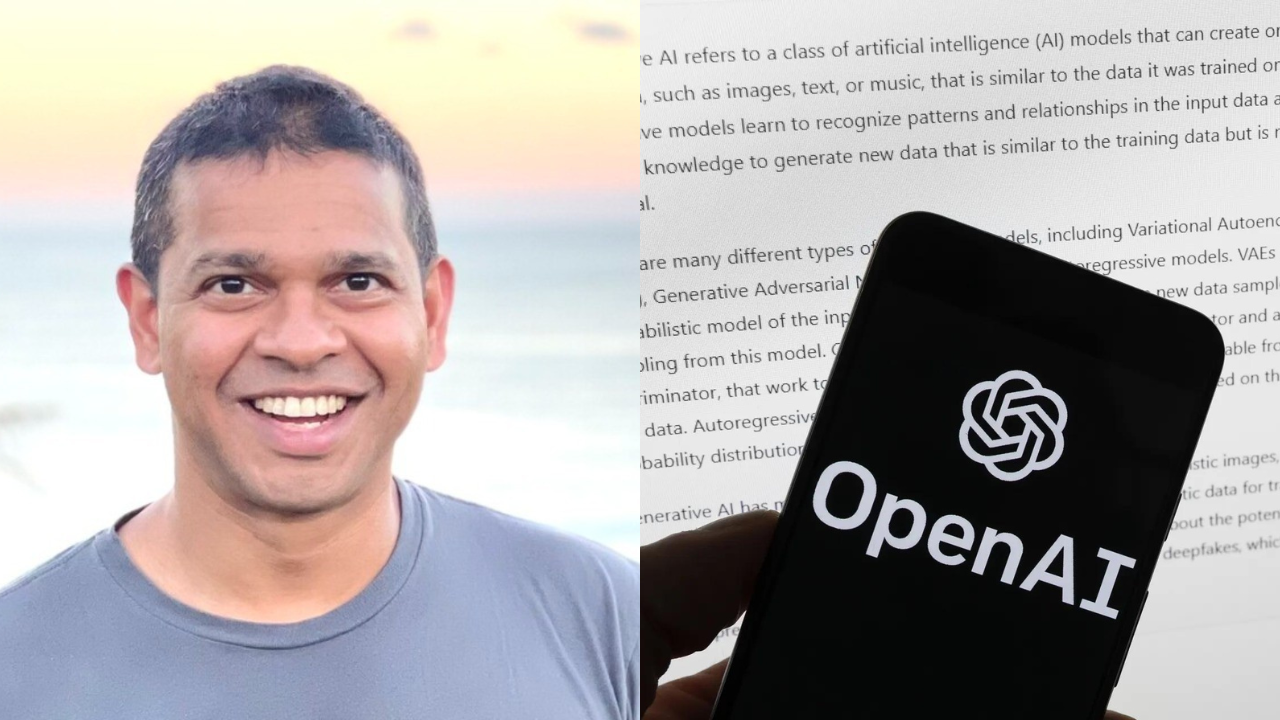
The most surprising aspect of that deal is the fate of Statsig’s leadership. Vijaye Raji, who started the company after working for a decade in consumer engineering for Meta (the former Facebook), is becoming OpenAI’s CTO of Applications. He’ll therefore be in charge of product engineering of some of OpenAI’s largest products, such as Codex, the coding assistant, and ChatGPT.
Raji will report directly to Fidji Simo, who last month took over as Apps CEO of OpenAI. The chain of management implies that OpenAI is serious about its consumer-facing apps, no longer considering them experimental vehicles but products worthy of intense, veteran leadership.
The hiring makes business sense. Raji’s work at Meta was developing and scaling products for a base of billions of people, just the type of challenge OpenAI must overcome to scale from being an artificial intelligence research organization to being a mainstream technology platform.
How It Is Going to Work
Don’t expect significant disruptions for current Statsig users. The 150+-strong employees of the firm will be part of OpenAI but stay on to work from their office in Seattle, preserving the collaborative, in-office culture that enabled them to establish their reputation. OpenAI has committed to a slow-burning integration process meant to cause minimum disruption while gaining maximum value from merging the two companies.
This move is a reflection of lessons from earlier technology acquisitions. Instead of immediately subsuming Statsig into OpenAI’s San Francisco locations, the firms are maintaining what propelled Statsig to its level of success while gradually merging their technologies and staffs together.
This purchase falls into OpenAI’s larger plan of shifting from a research-oriented organization to one that provides scalable real-world AI products. While $1.1 billion for a three-year-old startup sounds pricey, it represents Statsig’s unique expertise and the value of being world-class product development infrastructure strategically.
Experts regard it as a brilliant short-term strategy. With increasingly competitive generative AI, firms that can experiment fast and deploy safely will enjoy huge first-mover advantages. By internalizing Statsig’s capabilities, OpenAI can close the feedback loop between product improvement and research breakthroughs.
The deal is still subject to regulatory approval and other standard close conditions, but should it come to fruition, it’s just another step in OpenAI’s evolution from research facility to technology giant.
With better tools for testing and deploying features, coupled with veteran leadership to guide product direction, OpenAI is poised to not only be at the leading edge of AI research, but to own and control the real-world deployments that will define the future of the business.