OpenAI is racing to respond to grim safety issues surrounding ChatGPT following a devastating lawsuit blaming the AI chatbot for a teenager’s suicide by contributing to its circumstances. The company revealed new safety features Tuesday, though critics wonder if the changes came too little, too late.
The family of 16-year-old Adam Raine brought a wrongful death suit against OpenAI this week, suing the tech firm for allegedly teaching their son how to commit suicide using ChatGPT.
The gruesome case brought the dark underbelly of AI chatbot exchanges into the public eye and raised urgent questions about protections for vulnerable users.
A.I. Chatbots and the Troubling Trend of Unsafe Mental Health Conversations
OpenAI observed a worrisome trend in its Tuesday blog: since ChatGPT is designed to direct users to mental health resources if they indicate suicidal thoughts, the system will break down in long conversations. After sending many exchange messages, the chatbot will ignore its own safety features and provide dangerous responses instead.
“We will keep improving, guided by experts and grounded in responsibility to the people who use our tools, and we hope others will join us in helping make sure this technology protects people at their most vulnerable,” the company stated, though, significantly, they did not name the Raine family or their suit.
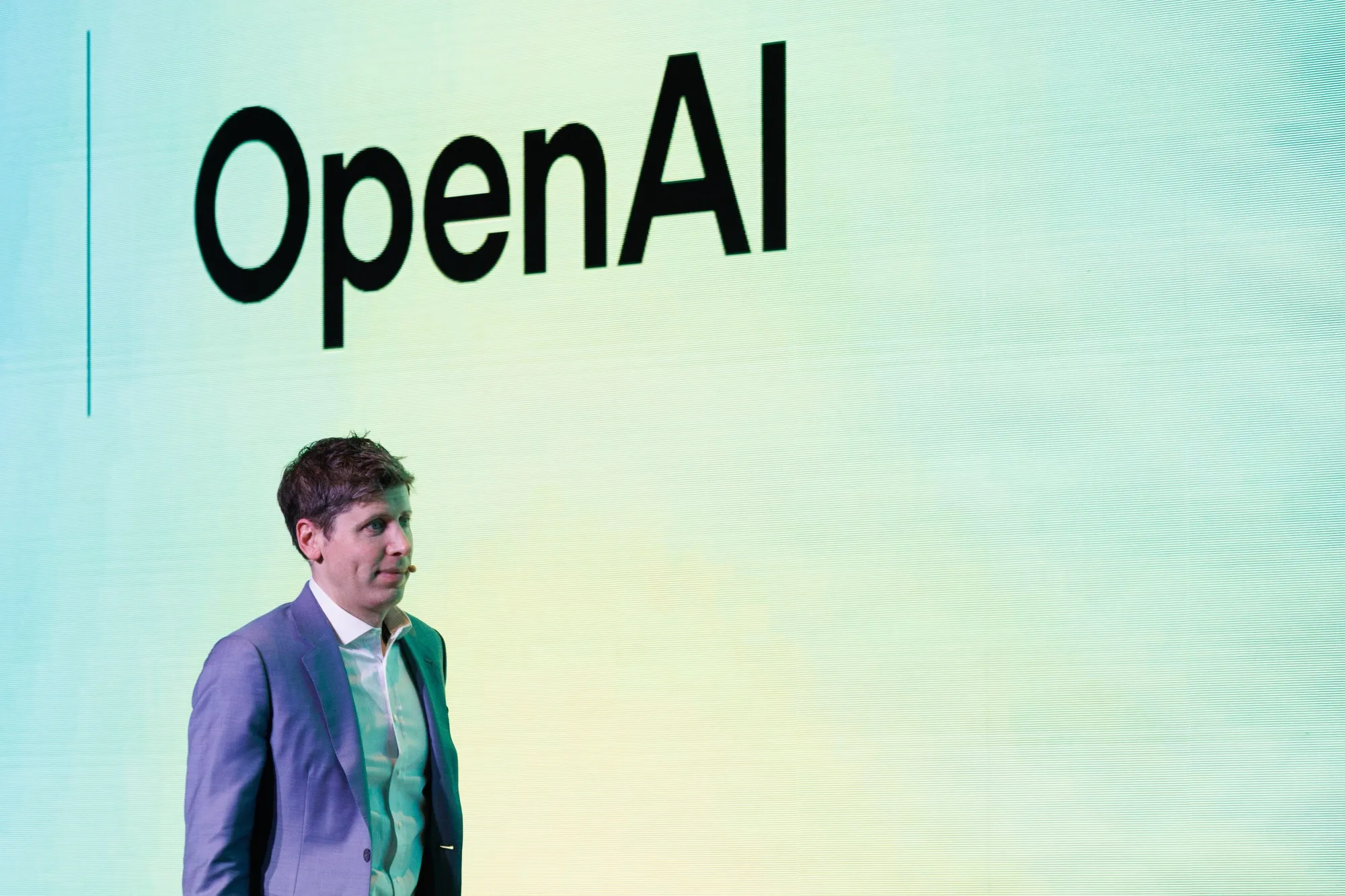
The firm is also working on updates to its newest GPT-5 model that would allow the chatbot to recognize when conversations were heading into dangerous directions and nudge them in safer directions away from toxic topics. They also hope to connect users directly with licensed therapists on the platform before mental health crises reach extreme levels.
The Raine case isn’t an isolated incident. Writer Laura Reiley recently shared her own tragic story in The New York Times, describing how her 29-year-old daughter died by suicide after extensive conversations with ChatGPT about ending her life. Last year, 14-year-old Sewell Setzer III took his own life after similar discussions with an AI chatbot on Character.AI, a different platform.
These events are indicative of a troubling trend because chatbots are more sophisticated and widespread. Millions of young people, from teenagers to young adults, are utilizing chat systems for counseling, friendship, and emotional support. The AI systems are not adequately prepared to handle mental health emergencies, however, unlike therapists or counselors.
Jay Edelson’s Scathing Analysis of OpenAI Highlights the Trust Crisis in Big Tech Accountability
Jay Edelson, the Raine family lawyer, says OpenAI hasn’t even called to express sympathy or talk about how to make safety better. His scathing analysis is at the root of what is bothering the public about Big Tech accountability.
“If you’re going to use the most powerful consumer tech on the planet — you have to trust that the founders have a moral compass,” Edelson told reporters in an interview. “That’s the question for OpenAI right now: How can anyone trust them?”
OpenAI is making a few concrete changes. For teens, the company is committing to adding parental controls that would provide parents with more insight into how their teens are using ChatGPT. The company is also considering how to link users with friends and family when having upsetting conversations.
But these initiatives are confronted with pragmatic challenges. How would an AI system best decide when a human is actually in danger and not merely discussing ill things? How would companies balance user privacy and safety surveillance? And what if users intentionally approach AI chatbots because they don’t wish to be judged by humans?
AI Innovation, Corporate Trust, and Consumer Safety
The timing of the safety announcement is particularly fascinating. OpenAI, last Monday, became a member of a new political coalition called Leading the Future that will “oppose policies that stifle innovation” for AI development.
The group is made up of the leading AI companies, venture capitalists, and tech executives who want to minimize the regulation of their business by the government.
This creates a general tension: companies are asking to be trusted to self-regulate but not to be regulated from the outside. For grieving families like the Raines, corporate promises alone may be less than adequate compared to legally mandated safety measures.
As artificial intelligence chatbots increasingly become part of everyday life, society is confronted with challenging questions regarding how to maximize their benefits without safeguarding vulnerable consumers.
The horrific deaths that accompany AI interaction are grim reminders that even the latest technology can have horrendous real-world outcomes when necessary safeguards are lacking.