Worried about replacing your car’s brake pads? But how often should you do that? What are the signs that tell you that you need to change? We’ll cover all of that. So, let’s get started.
What are brake pads in a car?
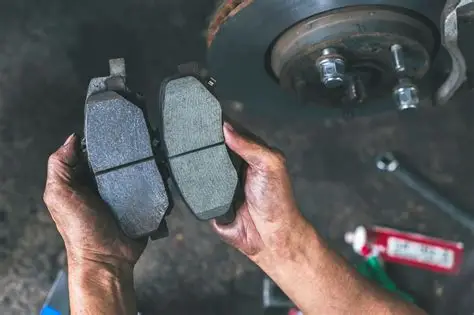
Brake pads help you stop your moving vehicle on the road. When you press down on the brake pedal, your car squeezes hydraulic fluid to clamp calipers against the wheels. Inside those calipers are the brake pads. They act as supportive cushions that grip both sides of the shiny, spinning metal disc, which is technically called a rotor and is attached to your wheel. How they work is also quite interesting. The intense friction they create slows the rotor down while the vehicle is about to come to a stop, which ultimately brings your car to a safe halt. Because they take the brunt of all that heat and friction, they naturally wear away over time and start squeaking!
What are the signs that tell the brake pads are worn out?
- The first would definitely be about you hearing a high-pitched squealing sound when you press the brakes, which is usually the biggest sign your vehicle gives you.
- The louder, the worse. A harsh metallic grinding or growling noise means the pads are completely gone, and metal is rubbing directly against metal, which destroys your rotors.
- Another sign you can notice is that the car takes longer to come to a complete stop, or you have to press the pedal much further down than usual to slow down.
- The brake pedal feels unusually soft, almost to the floorboard when you step on it. It is as if the cushioning is totally gone.
- Your car pulls slightly to one side while braking, which can happen if the pads are wearing down unevenly. This is a detail that you can watch out for!
- Finally, you may also feel a distinct shaking vibration through the brake pedal or steering wheel when you try to slow down.
Steps to change the brake pads
To begin, loosen the wheel lug nuts while the car is on the ground, then use the jack.
- We are supposed to remove the lug nuts completely and take the wheel off to have a clearer look at the braking system.
- Now, remove the two bolts holding the caliper in place, slide the caliper off, and secure it with a bungee cord. We do this so it does not hang by the rubber fluid hose.
- Slide the brakes off easily.
- Pick a soft cloth and clean away any built-up brake dust. Now we have to clip the new hardware clips into place and put the fresh pads onto the slots.
- You can use a C-clamp or a specialized caliper tool to press the caliper piston back down so it can fit over the thicker new pads. Slide and adjust till the desired results are achieved.
- Finally, pump your brake pedal several times while parked to restore proper fluid pressure before you actually hop in and take your car for a spin!