Buying a used car is often one of the smartest ways to own a vehicle without paying the premium for a brand-new model. With the used car market growing rapidly, buyers now have more options than ever. But that also means there are more chances of ending up with a vehicle that hides expensive problems beneath a polished exterior.
A careful inspection before signing the deal can save thousands in repair bills and prevent unnecessary headaches later. Here are the most important things every buyer should check before bringing a pre-owned car home.
Start with the Car’s Overall Condition
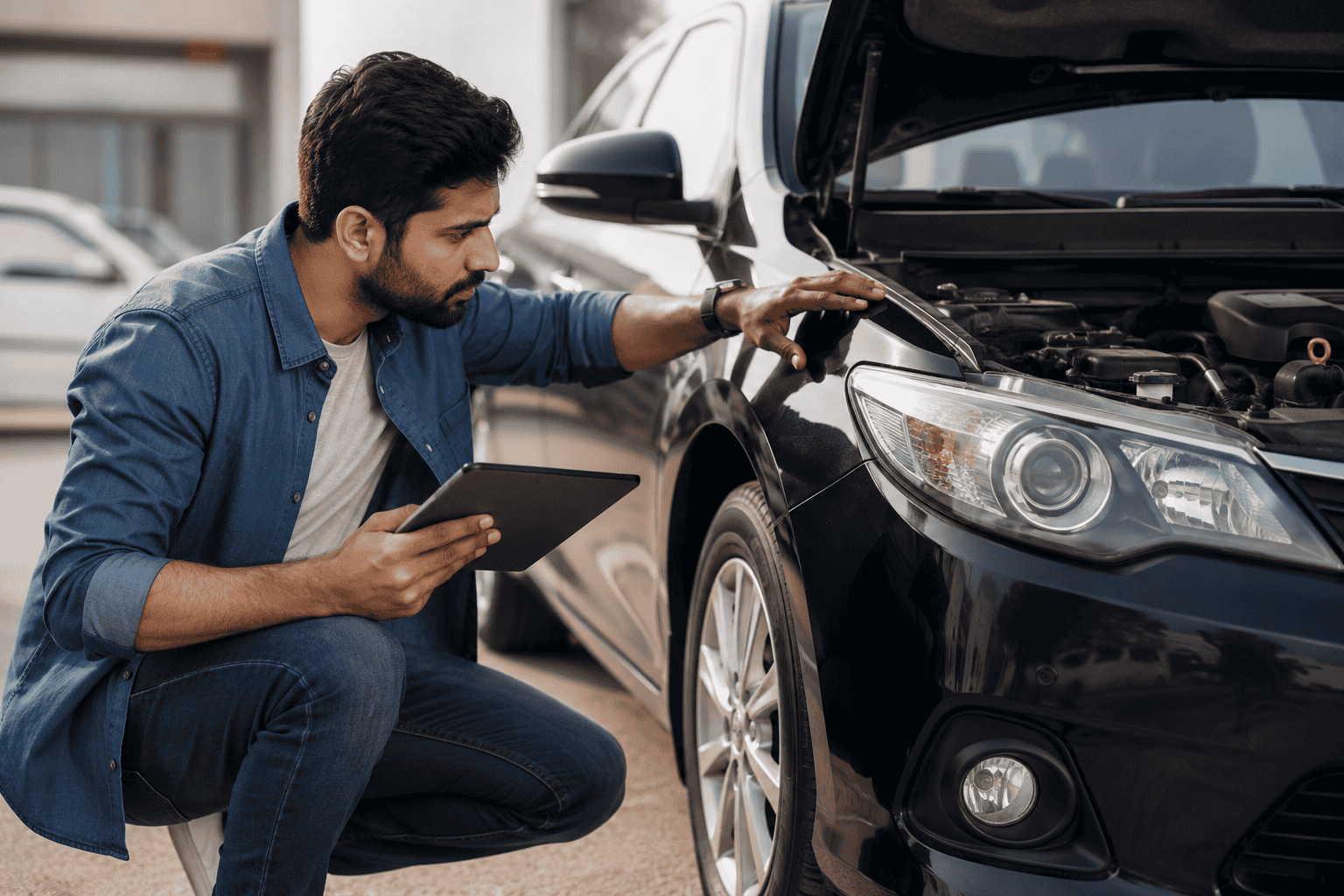
First impressions matter, but don’t stop at appearances. Walk around the vehicle and look for dents, scratches, rust spots, or uneven paint. Different shades of paint on body panels can indicate previous accident repairs.
Check that the gaps between doors, bonnet, and boot are even. Misaligned panels may suggest the car has undergone major bodywork after a collision.
Don’t forget to inspect the tyres. Uneven wear could point to suspension or wheel alignment problems that may require costly repairs.
Inspect the Interior Carefully
The cabin often reveals how well the car has been maintained. Excessive wear on the steering wheel, pedals, or seats can indicate heavy usage even if the odometer shows relatively low mileage.
Test every switch and feature, including the air conditioning, infotainment system, power windows, mirrors, lights, horn, and wipers. Small electrical faults can quickly become expensive once the warranty is no longer available.
A musty smell or damp carpets may also indicate water leakage or flood damage.
Verify the Engine and Fluids
Open the bonnet and look for signs of oil leaks, cracked hoses, or damaged wiring. Engine oil should appear clean and be at the correct level. Dirty coolant or low brake fluid can signal poor maintenance.
Start the engine while it is cold. Listen for knocking sounds, excessive vibrations, or unusual smoke from the exhaust. A healthy engine should idle smoothly without warning lights remaining illuminated on the dashboard.
Check the Vehicle’s History
A clean-looking car isn’t enough. Verify the service history to confirm regular maintenance. Compare the odometer reading with service records to identify possible mileage tampering.
Ensure all important documents are available, including the registration certificate, insurance papers, pollution certificate, road tax records, and loan clearance documents if applicable.
If possible, check whether the car has been involved in major accidents or insurance claims.
Never Skip the Test Drive
A test drive is one of the most important parts of the buying process. Drive on different types of roads and pay attention to steering response, braking performance, suspension comfort, and gear shifts.
Listen for rattles or unusual noises while driving. Make sure the car accelerates smoothly and doesn’t pull to one side during braking.
Test parking, reversing, and low-speed manoeuvres to evaluate overall drivability.
Consider a Professional Inspection
Even experienced buyers can miss hidden mechanical issues. Hiring a trusted mechanic or an independent vehicle inspection service before finalising the purchase can provide valuable peace of mind.
The small inspection fee is often insignificant compared to the cost of repairing a neglected engine, transmission, or suspension system later.
Final Thoughts
A used car can deliver excellent value if chosen wisely. Taking the time to inspect its condition, verify its history, and thoroughly test its performance can help buyers avoid unpleasant surprises after the purchase. In today’s competitive pre-owned vehicle market, patience and careful evaluation remain the best tools for making a confident and cost-effective decision.