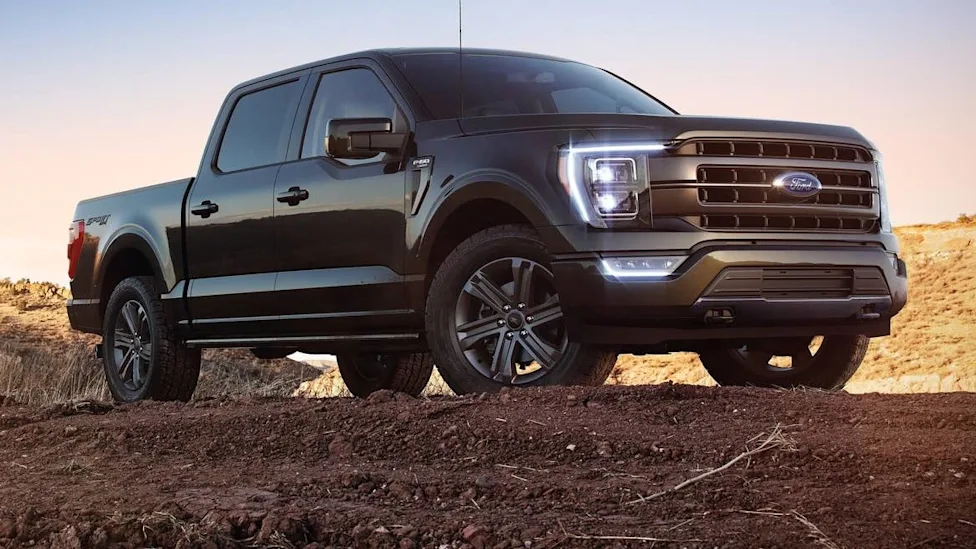
For decades, the Ford F-150 has been the benchmark for full-size pickup trucks. Whether it’s hauling construction equipment during the week, towing a camper on weekends, or serving as a dependable family vehicle, the F-150 has earned a reputation for versatility and durability.
But one question continues to dominate conversations among buyers and owners alike: How long does a Ford F-150 actually last?
The answer depends on several factors, including maintenance, driving habits, engine choice, and climate. While no vehicle lasts forever, many F-150s continue running well beyond expectations, with thousands of owners reporting odometer readings that would make most vehicles jealous.
Here’s a closer look at what determines the lifespan of Ford’s iconic pickup and what owners can do to maximize its longevity.
The Average Lifespan of a Ford F-150
A well-maintained Ford F-150 typically lasts between 200,000 and 300,000 miles. For drivers covering the U.S. average of around 15,000 miles per year, that’s roughly 13 to 20 years of ownership.
However, those figures are only averages.
Many owners have crossed the 300,000-mile mark with minimal major repairs, while a smaller number have reported trucks exceeding 400,000 or even 500,000 miles after following strict maintenance schedules.
Reaching those milestones isn’t simply a matter of luck. Consistent servicing and responsible driving habits make a measurable difference.
Why the F-150 Has Earned a Reputation for Longevity
The Ford F-150’s long lifespan isn’t accidental. Over multiple generations, Ford has refined the truck with stronger chassis designs, improved corrosion protection, advanced powertrains, and better manufacturing quality.
Modern F-150s also benefit from:
- High-strength steel frames
- Aluminum-alloy body panels that resist rust
- More efficient EcoBoost engines
- Advanced transmission technology
- Improved electronic monitoring systems
These improvements have helped newer models remain competitive while addressing durability concerns found in older generations.
Maintenance Is the Biggest Factor
If there’s one thing experienced truck owners agree on, it’s this: maintenance matters more than mileage.
Skipping oil changes, ignoring warning lights, or postponing repairs can shorten a truck’s life dramatically. On the other hand, owners who stay ahead of routine service often enjoy years of trouble-free driving.
Important maintenance items include:
Regular Oil Changes
Fresh engine oil protects moving components from excessive wear. Most experts recommend following Ford’s maintenance schedule rather than waiting until engine performance begins to decline.
Transmission Service
The transmission is among the most expensive components to repair. Regular fluid inspections and scheduled servicing can significantly extend its lifespan.
Cooling System Care
An overheating engine can cause catastrophic damage. Keeping coolant levels correct and replacing worn hoses and water pumps when necessary helps prevent costly failures.
Brake and Suspension Maintenance
Because the F-150 is frequently used for towing and hauling, brake pads, rotors, shocks, and suspension components deserve regular inspections.
Which Engines Last the Longest?
Ford has offered a wide range of engines throughout the F-150’s history, and each has developed its own reputation.
5.0-Liter Coyote V8
Often regarded as one of Ford’s most dependable modern engines, the naturally aspirated 5.0-liter V8 is known for balancing performance with long-term durability.
Many owners report reaching 250,000 miles or more with only routine maintenance.
3.5-Liter EcoBoost V6
Initially viewed with skepticism because of its turbocharged design, the EcoBoost has proven itself over the years.
Early models experienced occasional issues involving timing chains and carbon buildup, but later versions have shown significant improvements. Proper maintenance remains especially important because turbocharged engines operate under higher stresses.
2.7-Liter EcoBoost
Despite being the smallest engine in the lineup, the 2.7-liter EcoBoost has earned praise for reliability and fuel efficiency.
Its compacted graphite iron engine block provides exceptional strength, allowing many owners to achieve impressive mileage.
3.3-Liter V6
The naturally aspirated 3.3-liter V6 may not be the most exciting option, but its simpler design makes it attractive for buyers prioritizing long-term ownership over maximum towing capacity.
Driving Habits Matter More Than Many Realize
Two identical trucks can have dramatically different lifespans depending on how they’re driven.
Frequent heavy towing, aggressive acceleration, excessive idling, and off-road abuse all place additional stress on the engine, transmission, suspension, and braking system.
Conversely, highway driving is generally easier on a vehicle than repeated stop-and-go city traffic.
Owners who warm up their trucks responsibly, avoid excessive overloading, and address small mechanical issues before they become major problems often enjoy significantly longer vehicle life.
Rust Can Be the Biggest Enemy
Mechanical components can often be repaired, but severe corrosion is far more difficult and expensive to address.
While newer aluminum-bodied F-150s resist rust better than older steel-bodied trucks, the frame, suspension, exhaust system, and underbody still require protection.
Owners living in snowy regions where road salt is common should wash the undercarriage regularly during winter months.
Applying rust protection treatments and keeping drainage channels clean can also prevent long-term structural damage.
Are High-Mileage F-150s Worth Buying?
Buying a truck with more than 150,000 miles can feel risky, but mileage alone doesn’t tell the whole story.
A well-documented maintenance history often matters far more than the number displayed on the odometer.
Before purchasing a high-mileage F-150, buyers should inspect:
- Complete service records
- Frame condition
- Engine oil leaks
- Transmission performance
- Suspension wear
- Brake condition
- Tire wear patterns
- Accident history
A truck that has received regular maintenance may prove to be a better investment than one with lower mileage but poor upkeep.
What Owners Say About Long-Term Reliability
One of the best indicators of a vehicle’s longevity is the experience of people who drive it every day. Across online owner forums and automotive communities, thousands of F-150 owners have shared stories of trucks that have remained dependable well past 200,000 miles.
Many describe using their trucks for demanding tasks such as towing boats, transporting construction equipment, or commuting long distances without experiencing major mechanical failures. Others say their F-150s have become family vehicles, serving multiple generations before finally being retired.
That doesn’t mean every truck is trouble-free. Like any vehicle, the F-150 has seen recalls and model-specific issues over the years. Certain generations experienced concerns involving transmissions, spark plugs, turbochargers, or electrical components. However, many of these problems were addressed through recalls, warranty repairs, or engineering updates in later models.
For prospective buyers, researching the specific model year remains just as important as considering overall mileage.
Common Repairs as Mileage Increases
Even the most reliable pickup trucks eventually require replacement parts. Fortunately, many of the repairs seen on high-mileage Ford F-150s are expected maintenance items rather than catastrophic failures.
Around the 100,000 to 150,000-mile mark, owners may begin replacing components such as brake rotors, wheel bearings, suspension bushings, spark plugs, ignition coils, and water pumps. These parts naturally wear over time and are relatively common across most vehicles.
As mileage approaches 200,000 miles or beyond, larger repairs may become necessary. Depending on the model year and engine, owners might encounter transmission servicing, fuel system repairs, radiator replacements, or timing-related maintenance.
The encouraging news is that the availability of affordable aftermarket parts and Ford’s extensive dealer network makes repairs more accessible compared to many competing full-size trucks.
Does Towing Shorten the Truck’s Lifespan?
The Ford F-150 is designed to tow, but how it’s used plays a significant role in determining longevity.
Occasional towing within the truck’s rated capacity generally has little impact on long-term reliability. Problems usually arise when owners consistently exceed recommended towing limits or fail to maintain the vehicle under heavy workloads.
Frequent towing increases stress on the engine, transmission, differential, cooling system, and brakes. As a result, trucks used primarily for heavy-duty work often benefit from shorter maintenance intervals, including more frequent transmission fluid changes and brake inspections.
Drivers who tow regularly should also pay close attention to tire pressure, cooling system performance, and hitch equipment to reduce unnecessary strain on the vehicle.
How Does the F-150 Compare With Other Full-Size Pickups?
The full-size pickup market is highly competitive, with models like the Chevrolet Silverado 1500, Ram 1500, Toyota Tundra, and GMC Sierra all offering impressive durability.
The Ford F-150 holds its own thanks to a combination of strong resale value, broad engine choices, and decades of continuous refinement. While the Toyota Tundra has earned a reputation for exceptional long-term reliability, the F-150 offers a wider range of configurations, powertrains, and technology, making it one of the most versatile trucks available.
Its popularity also means replacement parts, qualified mechanics, and owner resources are easier to find, helping reduce long-term ownership costs.
Tips to Help Your Ford F-150 Last Longer
Extending the life of an F-150 doesn’t require complicated mechanical knowledge. Small, consistent habits often make the biggest difference over time.
Start by following the maintenance schedule outlined in the owner’s manual rather than delaying service until problems appear. Routine oil changes, fluid checks, tire rotations, and brake inspections should never be skipped.
Keeping the truck clean also matters. Washing away road salt, mud, and debris helps protect the frame and underbody from corrosion, especially in regions with harsh winters.
Drivers should also avoid excessive idling whenever possible. While modern engines are built to handle idling better than older vehicles, unnecessary engine hours contribute to wear without adding meaningful mileage.
Using quality replacement parts and addressing warning lights promptly can prevent small issues from turning into expensive repairs later.
Finally, don’t overlook software updates. Many newer F-150 models receive updates that improve engine management, transmission performance, fuel efficiency, and overall reliability.
Is Buying a Used Ford F-150 Still a Smart Decision?
For many shoppers, a used Ford F-150 represents one of the best values in the pickup market. A truck with 120,000 or even 150,000 miles can still have years of dependable service left if it has been properly maintained.
When shopping for a used model, buyers should prioritize condition over age. A well-cared-for truck with documented maintenance records is generally a safer purchase than a lower-mileage vehicle with an uncertain history.
Professional inspections are highly recommended before buying any used pickup. A qualified mechanic can identify hidden issues involving the engine, transmission, suspension, or frame that may not be obvious during a test drive.
Taking the time to inspect the vehicle thoroughly can save thousands of dollars in unexpected repairs.
The Bottom Line
The Ford F-150 has earned its place as one of America’s most trusted pickup trucks for good reason. While no vehicle is immune to wear and tear, the F-150 consistently demonstrates that it can remain reliable for hundreds of thousands of miles when properly maintained.
Most owners can reasonably expect between 200,000 and 300,000 miles of service, while exceptionally well-maintained examples often exceed those figures. Routine maintenance, responsible driving habits, and timely repairs play a far greater role in determining lifespan than mileage alone.
Whether you’re considering buying a new F-150, shopping for a used model, or hoping to keep your current truck on the road for years to come, the formula remains surprisingly simple: stay ahead of maintenance, fix problems early, and treat the truck with care.
In return, the Ford F-150 is likely to reward its owner with years of dependable performance, making it one of the strongest long-term investments in the full-size pickup segment. For drivers who need a truck that can work hard today and continue doing so for many years, the F-150 continues to set a high standard for durability and longevity.