Do you want to pick the perfect model for your workflow? Here is how you can do that! Follow the guide to understand how the workflow works and how different AI models would fit with it. So, let’s get started.
About Workflow
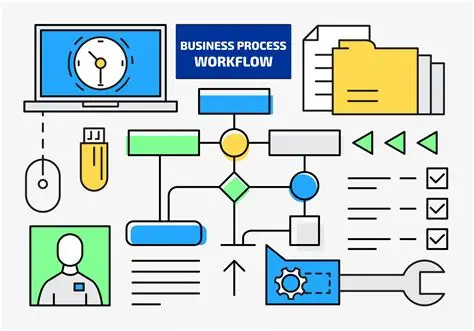
A workflow is known to be the blueprint for how a task gets done from start to finish. It is a structured sequence of steps, actions, and decisions that transform raw inputs into a final result just the way you were expecting them to. If you want a clear idea, just think of it like something you would regularly need for your daily operations. In a business context, workflows help teams to stay organized, maintain consistency, and also help in making sure that nothing important is missed while creating something important and meaningful. For instance, they can be entirely manual, like routing a physical document for signatures, or even highly automated, like an e-commerce system that instantly gives a shipping label when you buy something. Ultimately, a clear workflow removes the lacuna that may hamper the work. It is perfect for letting you spot inefficiencies, save time, and incorporate helpful tools like AI exactly where they provide the most value.
Steps to choose the right AI model for Workflow
If you want to pick the right model for Workflow, then these are the steps that you can follow.
- To begin, you can start by simplifying things and breaking up the complexity of the core task your business needs to handle. You can easily group your jobs into simple categories, like routine data sorting, and so much more.
- You have to match the task to the right tier of artificial intelligence, and it gets ten times better. You can use small, highly distilled options for high-volume data and so much more.
- You have to factor in your true operational costs and processing speeds. This is also paramount. Running thousands of daily text generation requests through a massive flagship framework will drain your budget. Pick a model that would do things precisely.
- You also need to examine your strict data privacy and regulatory compliance needs, as they carry a lot of weight. If you handle highly sensitive user data, make things more transparent.
- You must establish your peak quality baseline by testing your workflow on a flagship model first. When you are satisfied, you can try to recreate those identical results using cheaper, smaller options combined with better prompts.
- You can finally resort to using an intelligent routing system if your daily tasks are vibrant. Try to use a small, speedy model to instantly process simple incoming customer requests, and automatically escalate highly ambiguous or mathematically complex problems to your premium reasoning engine.