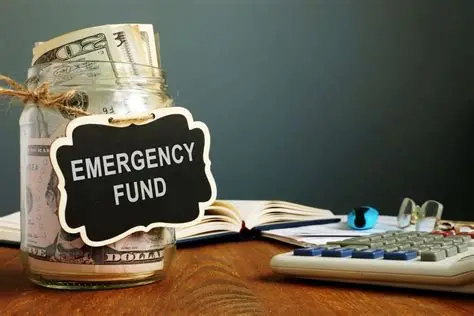
Emergency funds can be really helpful! Whether it is something you are intending to buy and are short of cash, or you need to fund an immediate matter at hand, emergency funds come to the rescue. Here is how you can create one and align it well. So, let’s get started.
What is an Emergency Fund?
An emergency fund is money you set aside specifically for unexpected expenses or sudden financial requirements. It can be anything, from a simple car repair to a medical expense.
Instead of relying on credit cards, high-interest loans, or thinking about an alternative out there, our emergency cash acts as a personal financial shock absorber. It keeps a minor setback from turning into a major financial crisis, giving you a dedicated fund to help you when you need some extra cash.
Steps to build an Emergency Fund
If you want to build an emergency fund, then these are the steps that you need to follow.
- The first thing is to chart stuff out. Just decide on an initial target, like starting with a small goal of one thousand dollars to build momentum before aiming for something bigger, like a target you may have in mind.
- To narrow down the requirements, calculate your bare minimum monthly expenses, focusing strictly on necessities like rent, utilities, food, and basic transportation, so you know the exact financial bracket that we have to fill in next.
- The next step is to open a high-yield savings account to keep this cash separated from your everyday checking money, which earns higher interest while keeping funds accessible and safe from market drops. This is a great way to have some extra cream on top!
- You can also set up automatic direct deposits or recurring transfers from your paycheck into savings on payday so you build the fund consistently without having to rely on manual transfers.
- To be able to gather a good savings amount, you can temporarily pause non-essential spending and cut extra expenses like some unused streaming services or eating out, and redirect that extra money directly into your new fund.
- If there is no immediate need, push the unexpected cash, including tax refunds, work bonuses, or gifts, straight into your savings account. This gives a push to the amount in mind.
- Do not spend them on minor inconveniences. Reserve the money for emergency situations. The more you can save, the bigger the savings account becomes, swelling up the emergency fund for you.