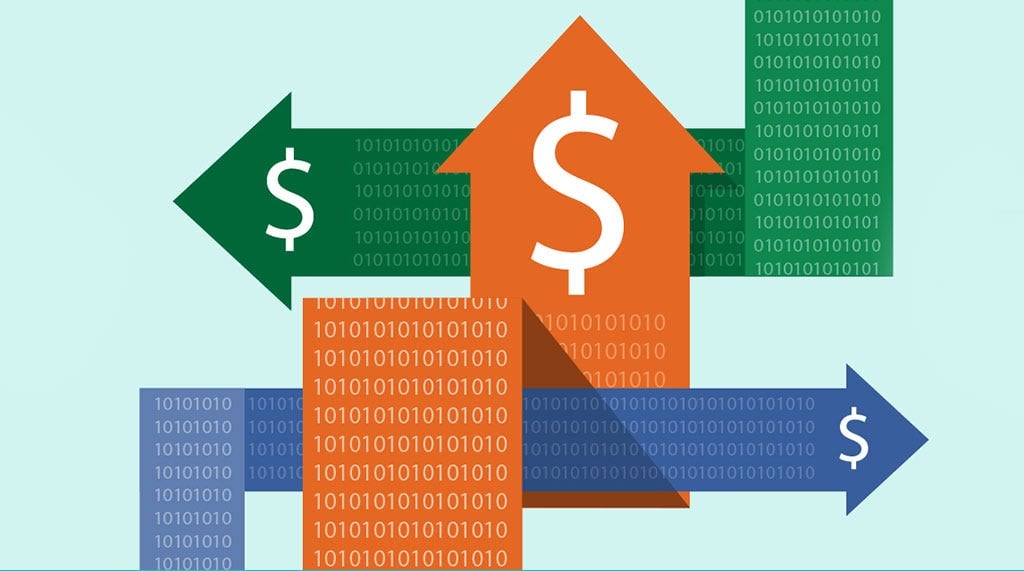
In today’s digital economy, prices are no longer fixed. Whether you’re booking a flight, ordering a ride home, shopping online, or reserving a hotel room, the price you see today might be completely different just a few hours later. This isn’t random—it’s the result of dynamic pricing, a strategy that has transformed how businesses sell products and services.
Dynamic pricing allows companies to adjust prices in real time based on changing market conditions. Instead of setting one price for everyone, businesses use data, algorithms, and customer behavior to determine what customers are willing to pay at any given moment. While this strategy helps businesses maximize revenue and improve efficiency, it has also sparked debates about fairness and transparency.
From airlines and e-commerce giants to streaming platforms and sports teams, dynamic pricing has become one of the most influential pricing strategies in modern business. Understanding how it works helps explain why prices seem to change so frequently—and why businesses continue to embrace it.

Credits: Mint
What Is Dynamic Pricing?
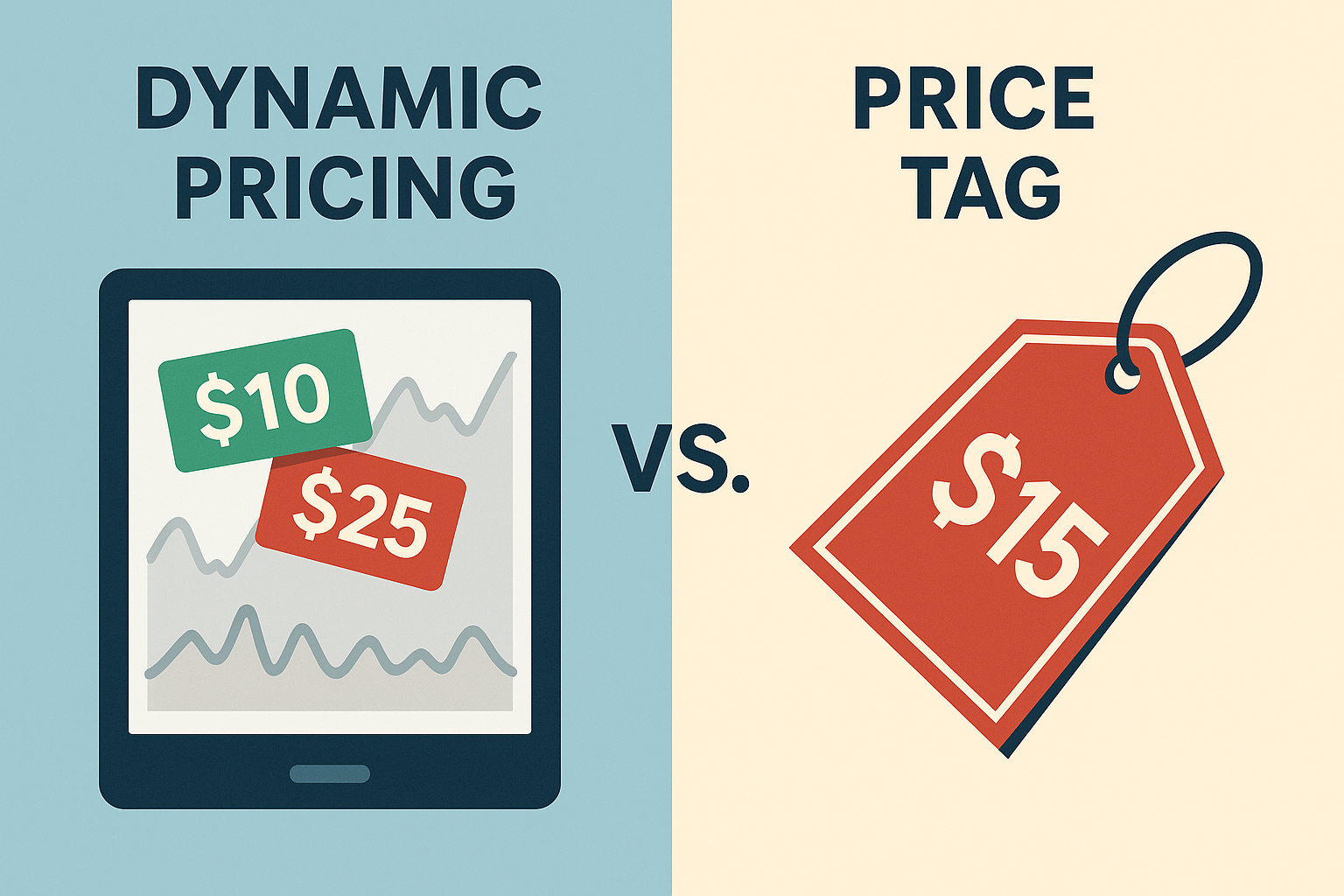
Dynamic pricing is a pricing strategy where the cost of a product or service changes based on real-time market conditions. Instead of keeping prices fixed, businesses continuously adjust them according to factors like demand, supply, competition, customer behavior, inventory levels, and even the time of day.
The goal is simple: charge the highest price customers are willing to pay while remaining competitive.
For example, an airline ticket may cost $200 in the morning but increase to $350 later in the day as more people book seats. Similarly, ride-sharing services often increase fares during rush hour or bad weather when demand exceeds the number of available drivers.
Unlike traditional pricing, which may remain unchanged for weeks or months, dynamic pricing constantly responds to changing market conditions.
How Dynamic Pricing Works
Modern dynamic pricing relies heavily on technology. Businesses use artificial intelligence, machine learning, and advanced analytics to process enormous amounts of data within seconds.
Pricing algorithms evaluate several factors before determining the best price, including:
- Current customer demand
- Available inventory
- Historical sales trends
- Competitor pricing
- Time of day
- Day of the week
- Seasonal demand
- Customer purchasing patterns
- Weather conditions
- Local events
Suppose an online retailer notices that a particular gaming console is selling much faster than expected while inventory is running low. The pricing algorithm may gradually increase the price to maximize revenue while slowing demand.
Conversely, if a product has remained unsold for weeks, the system may automatically reduce its price to encourage purchases and free up warehouse space.
Some businesses update prices every few minutes, while others adjust them several times each day depending on how quickly market conditions change.
Why Businesses Use Dynamic Pricing
Businesses adopt dynamic pricing because it allows them to make smarter decisions instead of relying on fixed prices that may no longer reflect market conditions.
One of the biggest advantages is revenue optimization. During periods of high demand, businesses can charge higher prices because customers are often willing to pay more. During slower periods, lower prices attract additional buyers who may have otherwise delayed their purchases.
Dynamic pricing also improves operational efficiency. Rather than manually updating prices across thousands of products, businesses automate the entire process using software that responds instantly to changing market conditions.
In highly competitive industries, this flexibility can make a significant difference in profitability.
Credits: Epirus Ventures
The Major Benefits of Dynamic Pricing
Dynamic pricing offers several advantages that extend beyond simply increasing profits.
Higher Revenue
The primary objective of dynamic pricing is maximizing revenue. By adjusting prices according to demand, businesses capture more value during peak periods without permanently increasing prices.
For example, hotels charge higher room rates during festivals, conferences, or holiday weekends because demand naturally rises. Instead of leaving money on the table with fixed pricing, they maximize earnings when customers are most willing to book.
Better Inventory Management
Managing inventory becomes easier when prices respond to demand.
If stock levels are too high, businesses can reduce prices to encourage sales. When inventory becomes limited, prices can increase to slow purchasing and preserve remaining stock.
This balance helps reduce waste while ensuring products remain available for customers who value them most.
Staying Competitive
Online markets change rapidly. Competitors frequently launch promotions, discounts, or limited-time offers.
Dynamic pricing enables businesses to monitor competitor prices and adjust their own automatically, ensuring they remain attractive without sacrificing unnecessary profits.
This is especially valuable in e-commerce, where customers can compare prices across multiple websites within seconds.
Improved Customer Targeting
Dynamic pricing allows businesses to offer personalized promotions based on customer behavior.
Loyal customers may receive exclusive discounts, while first-time buyers might be offered introductory pricing. Businesses can also provide location-based offers or limited-time promotions to encourage purchases.
When used responsibly, personalized pricing can improve customer satisfaction while increasing sales.
Common Dynamic Pricing Strategies
Not every business uses the same pricing model. Companies choose strategies that best match their products, customers, and industry.
Time-Based Pricing
Prices change depending on the time of day, week, month, or season.
Electricity providers often charge lower rates during off-peak hours. Restaurants may introduce happy hour pricing, while streaming services occasionally offer discounted annual subscriptions during holiday seasons.
Demand-Based Pricing
This is perhaps the most well-known form of dynamic pricing.
As demand increases, prices rise. When demand falls, prices decrease.
Airlines, ride-sharing companies, and hotels rely heavily on this strategy because customer demand changes constantly.
Segment-Based Pricing
Different customer groups receive different prices.
Students, senior citizens, military personnel, and corporate customers often receive special pricing because they belong to specific market segments.
Businesses use these discounts to attract targeted audiences without lowering prices for everyone.
Event-Based Pricing
Major events often trigger temporary price adjustments.
Hotels charge more during concerts and sporting events. Parking lots increase rates during festivals, while restaurants near stadiums experience higher demand before and after games.
Businesses capitalize on these temporary spikes by adjusting prices accordingly.
Industries That Rely on Dynamic Pricing
Dynamic pricing has expanded far beyond airlines and hotels. Today, nearly every major industry uses some form of flexible pricing.
Airlines
Airlines pioneered modern dynamic pricing.
Ticket prices fluctuate based on seat availability, booking timing, destination popularity, holidays, and competitor pricing.
Passengers booking months in advance often pay significantly less than travelers purchasing tickets a day before departure.
Ride-Sharing Services
Companies like Uber and Lyft introduced millions of consumers to surge pricing.
When demand exceeds the number of available drivers, fares automatically increase. Higher prices encourage more drivers to enter busy areas while balancing supply and demand.
E-Commerce
Online retailers constantly monitor competitors and customer behavior.
Major retailers update prices multiple times each day based on inventory levels, browsing activity, sales performance, and competitor pricing.
This allows them to remain competitive while maximizing profits across thousands—or even millions—of products.
Hospitality
Hotels use dynamic pricing to fill rooms while maximizing revenue.
Room rates depend on occupancy, local events, holidays, weather forecasts, and booking windows. A room that costs $120 today may cost $300 during a major convention next week.
Entertainment
Sports teams, concert organizers, and movie theaters increasingly rely on dynamic pricing.
Popular events often command higher ticket prices, while less popular showings may receive discounts to increase attendance.

Credits: Salesforce
Challenges and Criticism of Dynamic Pricing
Although dynamic pricing offers many advantages, it is not without controversy.
One of the biggest concerns is fairness. Customers often become frustrated when they discover someone else paid less for the same product or service.
Surge pricing during emergencies has also received criticism. Higher prices during natural disasters or transportation shortages can appear exploitative, even if they are designed to balance supply and demand.
Transparency is another challenge. Customers appreciate understanding why prices change. Businesses that clearly explain their pricing policies tend to maintain greater trust than those making unexplained adjustments.
There is also the risk of pricing errors. If algorithms rely on inaccurate data, businesses may accidentally overprice or underprice products, leading to lost sales or reduced profits.
Best Practices for Using Dynamic Pricing
Businesses can implement dynamic pricing successfully by following several important principles.
First, pricing decisions should always be data-driven rather than based on guesswork. Accurate market information produces better pricing outcomes.
Second, transparency matters. Customers are generally more accepting of changing prices when they understand why they occur.
Third, businesses should regularly monitor customer feedback. If customers perceive pricing as unfair, long-term loyalty may suffer even if short-term profits increase.
Finally, dynamic pricing should balance profitability with customer satisfaction. Maximizing every transaction at the expense of trust rarely leads to sustainable success.
The Future of Dynamic Pricing
As artificial intelligence becomes more advanced, dynamic pricing will become even more sophisticated.
Future pricing systems may incorporate real-time traffic conditions, social media trends, economic indicators, local events, and even customer sentiment to make pricing decisions.
Businesses may also deliver increasingly personalized prices based on purchasing history, loyalty status, and shopping preferences.
At the same time, governments and regulators are paying closer attention to pricing practices, particularly in industries where dynamic pricing could disadvantage consumers. Companies will need to ensure their pricing remains transparent, ethical, and compliant with evolving regulations.
Credits: Genius AI
Conclusion
Dynamic pricing has fundamentally changed how businesses determine the value of their products and services. By responding to real-time market conditions, companies can maximize revenue, manage inventory more effectively, and remain competitive in rapidly changing industries.
While the strategy offers clear financial benefits, successful implementation requires more than advanced algorithms. Businesses must also maintain customer trust by ensuring prices remain fair, transparent, and aligned with customer expectations.
As technology continues to evolve, dynamic pricing will become an even more important part of modern commerce. Companies that strike the right balance between profitability and customer experience will be best positioned to thrive in an increasingly data-driven marketplace.