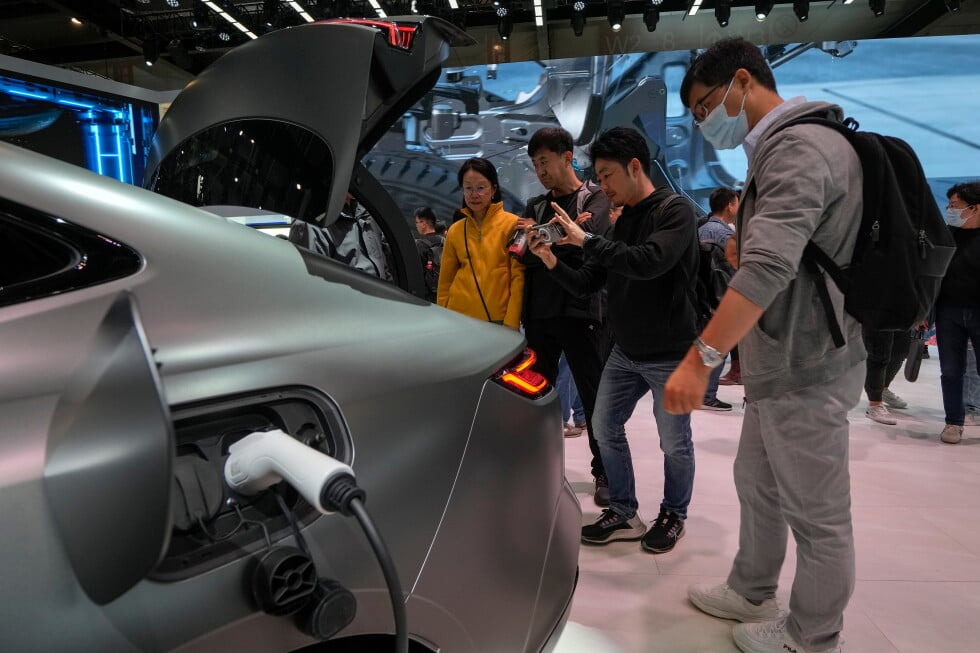
China’s EV industry is pushing charging technology into territory that remains largely out of reach for passenger cars in the US. Geely’s latest battery technology is the newest example, promising charging speeds that could dramatically reduce one of the biggest frustrations associated with electric vehicles: waiting to recharge.
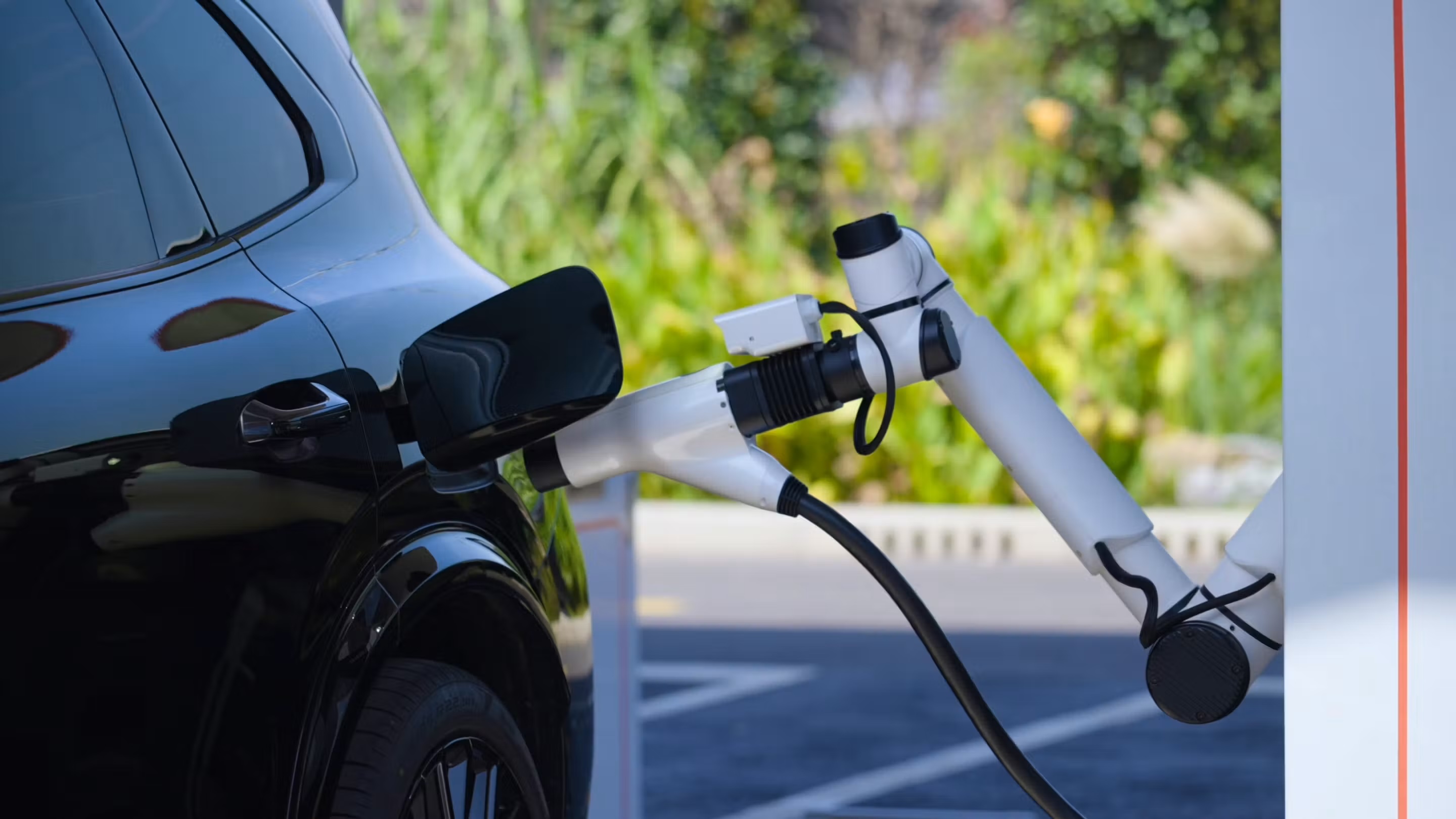
Credits: Ars Technica
Geely Unveils 2.2 MW EV Charging Technology
Geely has introduced a new battery system capable of charging at up to 2.2 megawatts, with the company claiming it can recharge from 10% to 70% in just 4.5 minutes.
A more substantial 10% to 98% charge takes 8 minutes and 40 seconds, according to Geely. If the technology performs as claimed in real-world conditions, charging an EV could begin to resemble the experience of refuelling a conventional petrol or diesel vehicle.
The battery uses AI-powered predictive thermal management to control temperatures during high-speed charging. Geely says the pack maintains an average temperature of around 55°C, while its peak temperature during charging reaches approximately 65°C.
The company has also addressed concerns over battery degradation caused by repeated ultra-fast charging.
AI Could Help Extend Battery Life
According to Geely, its charging system uses AI-controlled micro pulses of current to reactivate lithium ions that accumulate at the negative electrodes during repeated fast charging.
The automaker claims this approach can extend battery life by 20%. The battery pack has reportedly been tested in vehicles including the Zeekr 001 and Lynk & Co 10, suggesting that the technology is moving beyond the laboratory stage.
The development reflects a broader trend among Chinese EV manufacturers, which are competing aggressively to reduce charging times while adding software and connected features to their vehicles.
Instead of treating charging speed as a secondary specification, companies are increasingly making it a central part of the EV ownership experience.
Geely Takes on BYD and CATL
Geely’s figures are impressive, but the company is not alone in the race for faster charging.
BYD introduced a battery system earlier this year capable of charging from 10% to 70% in around five minutes, while a 10% to 97% charge takes approximately nine minutes.
CATL has reported even faster figures. Its latest LFP battery can reportedly charge from 10% to 80% in 3 minutes and 44 seconds, while reaching 98% from 10% takes 6 minutes and 27 seconds.
That puts China’s leading battery manufacturers in an increasingly intense competition over charging speeds, with incremental improvements potentially becoming a major differentiator between EV models.
For consumers, the significance is straightforward: if charging times continue falling toward single-digit minutes, range anxiety could increasingly be replaced by concerns about charger availability rather than the time required to use one.
US Charging Infrastructure Still Trails Megawatt Levels
The difference becomes particularly noticeable when comparing the charging infrastructure available in China and the US.
Most Tesla Superchargers in the US currently top out at 250 kW, while newer high-power systems from other networks have pushed that figure higher. Electrify America offers chargers rated at up to 350 kW, IONNA has introduced machines capable of 400 kW, and ChargePoint has a 600 kW charger.
Those figures remain well below Geely’s claimed 2.2 MW charging capability.
The gap is not only about charging stations. Passenger EVs sold in the US also generally cannot accept power at the levels being targeted by China’s latest battery technology.
American EVs Are Also Limited by Battery Hardware
Hyundai and Kia’s popular 800-volt EVs, including the Ioniq 5 and EV6, can accept roughly 240 kW of DC fast-charging power. Porsche’s Taycan supports charging of up to around 320 kW.
The newest generation of 800-volt German EVs is beginning to close that gap, with models such as the BMW iX3 and Porsche Cayenne arriving with 400 kW charging capabilities.
However, even those systems remain significantly below the megawatt-level charging being developed in China.
There is an important distinction, though: the highest charging speeds depend on more than the battery. Vehicles need compatible charging hardware, connectors, thermal systems and electrical infrastructure capable of safely delivering enormous amounts of power.
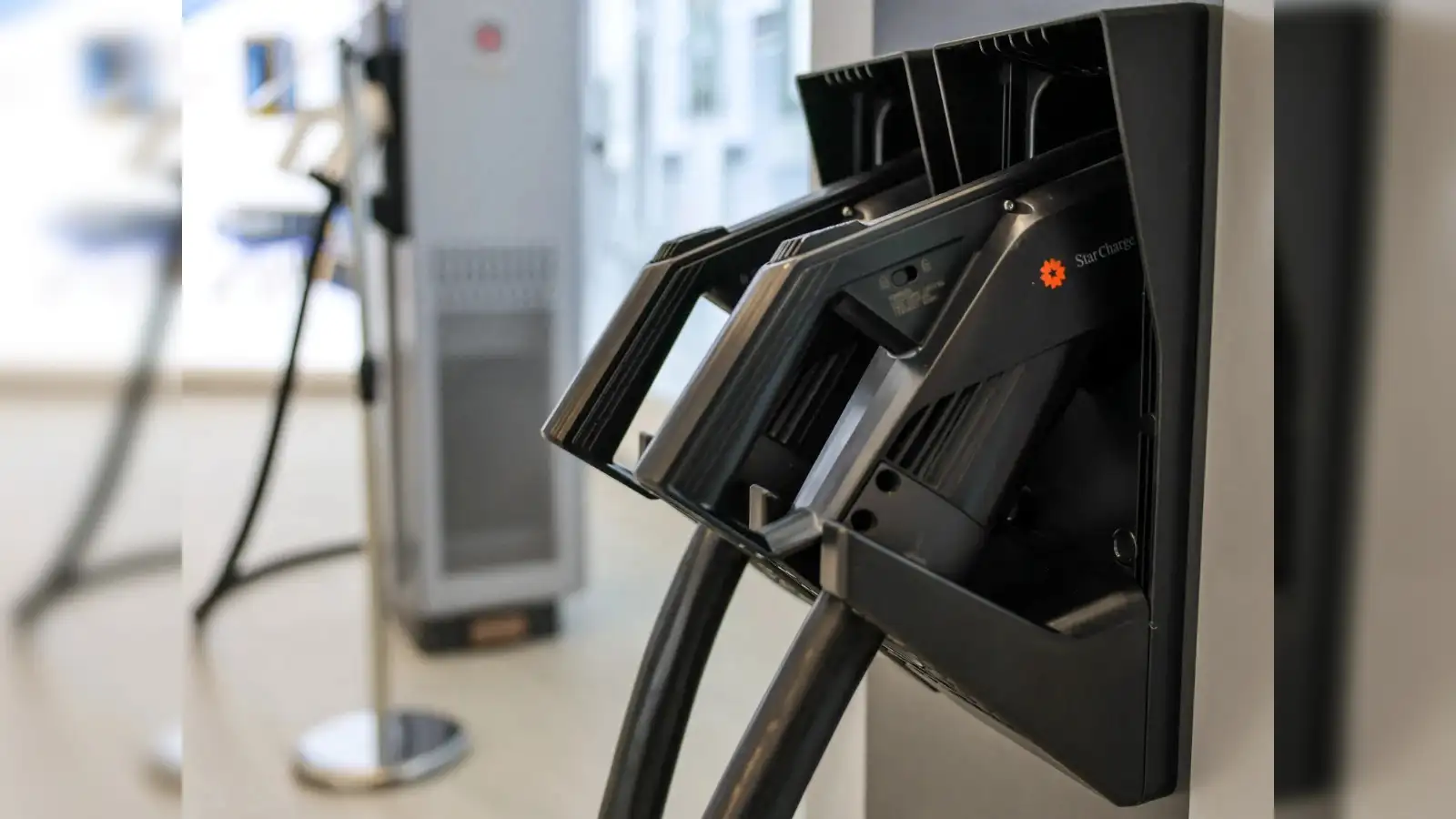
Credits: The Economic Times
Megawatt Charging Is Still Mostly for Heavy-Duty EVs
In the US, megawatt charging remains primarily associated with heavy-duty electric vehicles such as buses and electric trucks.
ChargePoint has indicated that two of its 600 kW charging units could potentially be combined through a common DC bus to deliver 1.2 MW through a single port. The company has also pointed to the Megawatt Charging System, or MCS, as a solution designed to handle the much larger power requirements of heavy-duty vehicles.
For passenger cars, however, the technology remains considerably less mature.
Geely’s announcement therefore highlights a widening technology race around one of the EV industry’s most important challenges. Chinese manufacturers are not simply increasing battery capacity; they are attempting to make the charging process dramatically faster.
If these systems can achieve their claimed performance without compromising safety, cost or long-term battery durability, the traditional advantage of petrol vehicles—quick refuelling—could become considerably less significant.