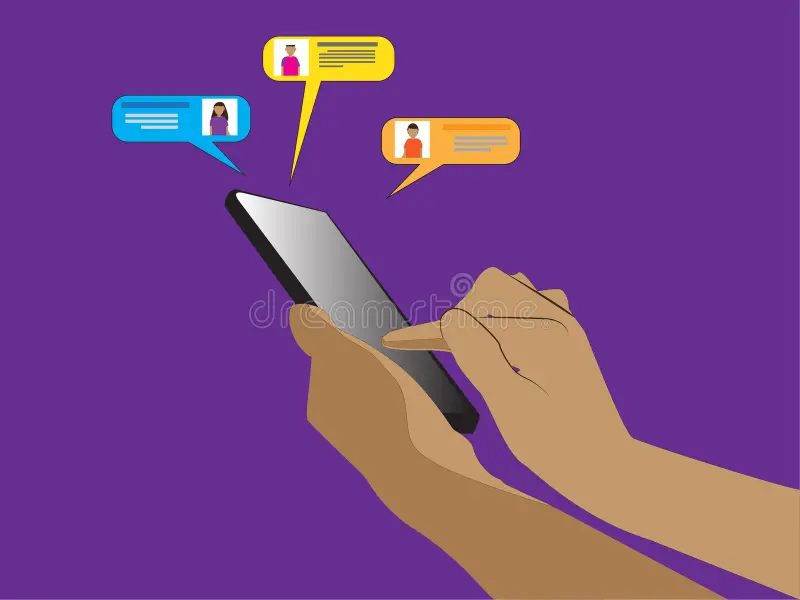
Nowadays, smart devices have become a part of our lives. They assist us in waking up on time, finding the way somewhere, playing music, monitoring our health condition, and managing our houses. However, there is a significant amount of data stored in them. It is the reason why a lot of people raise the same question, and it is “Why Your Smart Devices Know So Much About You.”
There is nothing complicated in the explanation. The thing is that such devices are created in such a way that they can listen, observe, learn, and communicate. All these qualities help to provide faster, convenient, and personalized services.
Why Your Smart Devices Know So Much About You
It is significant because the phrase is an illustration of how things have changed in today’s world. Devices are not simply gadgets anymore but data gathering devices. Every touch, every search made, every voice command, every physical movement can give away a little piece of information that can help understand more about you.
Your smartphone will know your residence, workplace and when you typically leave your house. Your smart speaker can learn from your voice patterns and the commands that you use. Your smart TV will have knowledge of everything that you watch and when you watch it. Even a smartwatch will have your sleeping and exercise routines recorded.

How Smart Devices Collect Data
Many forms of data are collected by smart devices through different ways. Some of them are obvious. Others operate behind the scenes. They may be collecting data in the form of:
- Geographical information through GPS, Wi-Fi, Bluetooth, and mobile networks.
- Voice data through smart speakers, phones, and earbuds.
- Activity in apps including searches, clicks, and screen time.
- Information related to the device including the model, operating system, and network details.
- Information about health through fitness trackers and smartwatches.
- Information on viewing through smart TVs and streaming devices.
Individual bits of data on their own may appear insignificant. Collectively, they paint a picture. It tells your preferences, your movements, what you purchase, and even your peak activity hours.
Why They Need So Much Information
Businesses claim that data collection helps improve the user experience. And it does in some instances – a smartphone with location services provides better maps, a smartwatch monitors your movements, and a smart home device can adapt settings according to your habits.
However, there is another aspect to consider as well. Data collection is important for businesses because it allows them to know how the devices are used, which features are preferred by users, and what kind of advertisements will work on them. This is one of the major reasons why your smart devices know so much about you is not only about privacy. It is also about the business model of the company.
The more information the firm has, the easier it is to predict the user’s behaviour.
The Role of Voice Assistants
One of the most evident ways by which smart devices obtain information is through the use of voice assistants. For voice assistants to be aware of the “wake” words like “Alexa” and “Hey Google”, they have to remain on the alert to listen all the time.
When you issue a command, the device might record the command, the time, and also the location of the device. Recording of some information also takes place to facilitate better speech recognition or to understand the behavior of the user. It aids the device in learning the voice of the user.
A lot of people don’t know how many times they issue commands to their devices each day. The result of this process is an accumulation of data regarding day-to-day activities and why Why Your Smart Devices Know So Much About You is a very popular question.
Smart TVs and Home Devices
Smart TVs can track what you watch, how long you watch it, and which apps you use. Some models also use automatic content recognition, or ACR, to identify what appears on the screen. This can include live TV, streaming content, and even video from other connected devices.
Smart home products can collect similar data. A thermostat may learn when you are home. A doorbell camera may detect movement and faces. A connected fridge may track usage patterns. A smart light system may record when rooms are used and when they are empty.
These features can make daily life easier. But they also create more data points. Over time, those points can reveal sleep patterns, family routines, holiday habits, and even when your home is likely to be empty.
How Data Becomes a Profile
The real power of smart devices comes from combining data from many sources. One device alone may know very little. But when data from multiple devices is linked, it becomes far more useful.
For example, your phone may show where you go. Your smartwatch may show how active you are. Your smart speaker may show what you ask at home. Your TV may show what you watch at night. Put together, these details build a profile that is much more complete than any single device could create.
This profile can be used to suggest products, recommend content, or target ads. It can also be used to sort users into groups based on lifestyle, spending habits, or interests. This is one more reason Why Your Smart Devices Know So Much About You is worth understanding in plain terms.
What Companies Can Infer From You
Smart devices do not just collect direct information. They also make guesses.
From your location history, they may infer where you live and work. From your schedule, they may infer when you sleep and wake. From your searches and purchases, they may infer what you plan to buy next. From your viewing habits, they may infer your interests, mood, and age group.
These guesses are called inferences. They are often more useful than raw data because they help companies predict what you may do next. That is how modern data systems work. They do not just record behaviour. They try to read patterns and act on them.
The Privacy Trade-Off
Smart devices offer convenience, but that convenience comes with a trade-off. You give up some privacy in exchange for features that feel simple and useful.
Many users accept this trade-off because they want speed and ease. They want hands-free control. They want automatic alerts. They want personalised suggestions. In return, they allow devices to collect more data than they may expect.
This is why your smart devices know so much about You is really a question about choice. The issue is not only that devices collect data. It is that many people do not fully understand how much they share or how far that data may travel.
Where the Risks Begin
The biggest risks come from misuse, weak security, and poor transparency.
If a company stores too much data, it may expose users to breaches. If it shares data with third parties, users may lose control over where it goes. If it uses vague privacy settings, people may not know what they agreed to. If a device lacks strong protection, attackers may access private information.
There is also the risk of overreach. Data collected for one reason may later be used for another. A record of your viewing habits or voice commands may seem harmless at first. But in the wrong context, it can reveal a great deal about your daily life.
How to Reduce Tracking
You cannot stop every device from collecting data, but you can reduce how much it learns.
Here are some practical steps:
- Check app permissions and remove access that is not needed.
- Turn off location tracking when an app does not require it.
- Review privacy settings on smart speakers, TVs, and wearables.
- Delete old voice recordings and activity logs if the device allows it.
- Use strong passwords and turn on two-factor authentication.
- Keep device software updated to close security gaps.
- Switch off features you do not use, such as always-on listening or ad personalisation.
These steps will not make you invisible. But they can cut down on unnecessary data collection and give you more control.
Smart Devices at Home
The home is where smart devices can learn the most. That is because people often use them in relaxed, private settings. A speaker in the kitchen may hear meal times and family routines. A TV in the living room may track weekend habits. A fitness tracker may record sleep and stress patterns.
This home data can be very revealing. It may show when children are awake, when adults leave for work, and when no one is home. It can also show links between different devices, which helps build a fuller picture of the household.
That is why your smart devices know so much about You matters even if you think you have nothing to hide. The issue is not secrecy. It is control.
What This Means for Everyday Users
Most people do not need to reject smart devices. They just need to use them with care. The goal is not to avoid technology. The goal is to understand the cost of convenience.
A smart device can be useful and still collect too much data. A helpful app can still overreach. A connected home can still be safe if you manage permissions and settings well. The key is to stay alert to what each device is doing in the background.
If you know why your smart devices know so much about you, you can make better choices. You can decide which features are worth the data. You can also decide which ones are not.
Conclusion
Smart devices know so much about you because they are designed to collect, connect, and learn. They observe your habits, store your actions, and combine small details into a larger profile. That profile can improve services, but it can also reduce privacy.
Understanding how this works is the first step toward better control. Once you know what your devices are collecting, you can change your settings, limit permissions, and choose tools that respect your privacy more carefully.
That is the real answer to why your smart devices know so much about you. They know so much because modern convenience depends on data, and data is now one of the most valuable parts of the digital world.