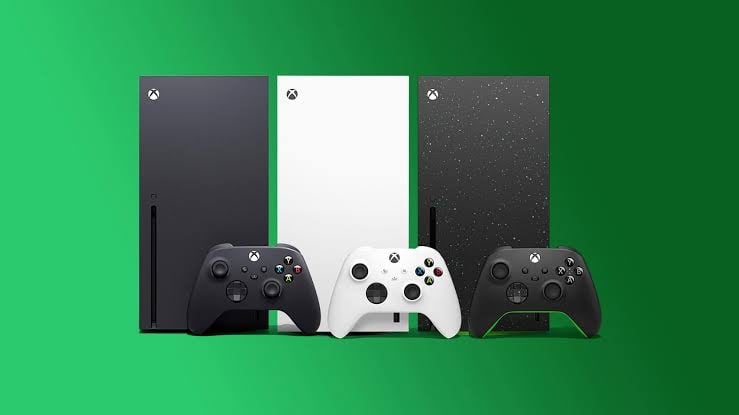
Microsoft has rolled out significant price increases for its Xbox console lineup across Europe and the United Kingdom, leaving gamers in the region facing some of the highest retail prices for the company’s gaming hardware. The revised pricing, which is now in effect, has sparked widespread discussion among consumers, many of whom have noted that the increases appear steeper than those announced for the United States.
The price adjustments affect Microsoft’s flagship Xbox Series X as well as both storage variants of the Xbox Series S. While the company has not positioned the move as a product refresh or hardware upgrade, the revised pricing means prospective buyers will have to pay considerably more for the same consoles that have been on the market for several years.
Under the new pricing structure, the Xbox Series X is now priced at €699.99 across much of Europe and £589.99 in the United Kingdom. Meanwhile, the Xbox Series S with 512GB of storage now costs €349.99 and £349.99, while the 1TB version has increased to €399.99 and £399.99. The new prices place the Xbox Series X close to the €700 mark in Europe, making it one of the most expensive mainstream gaming consoles currently available in the region.
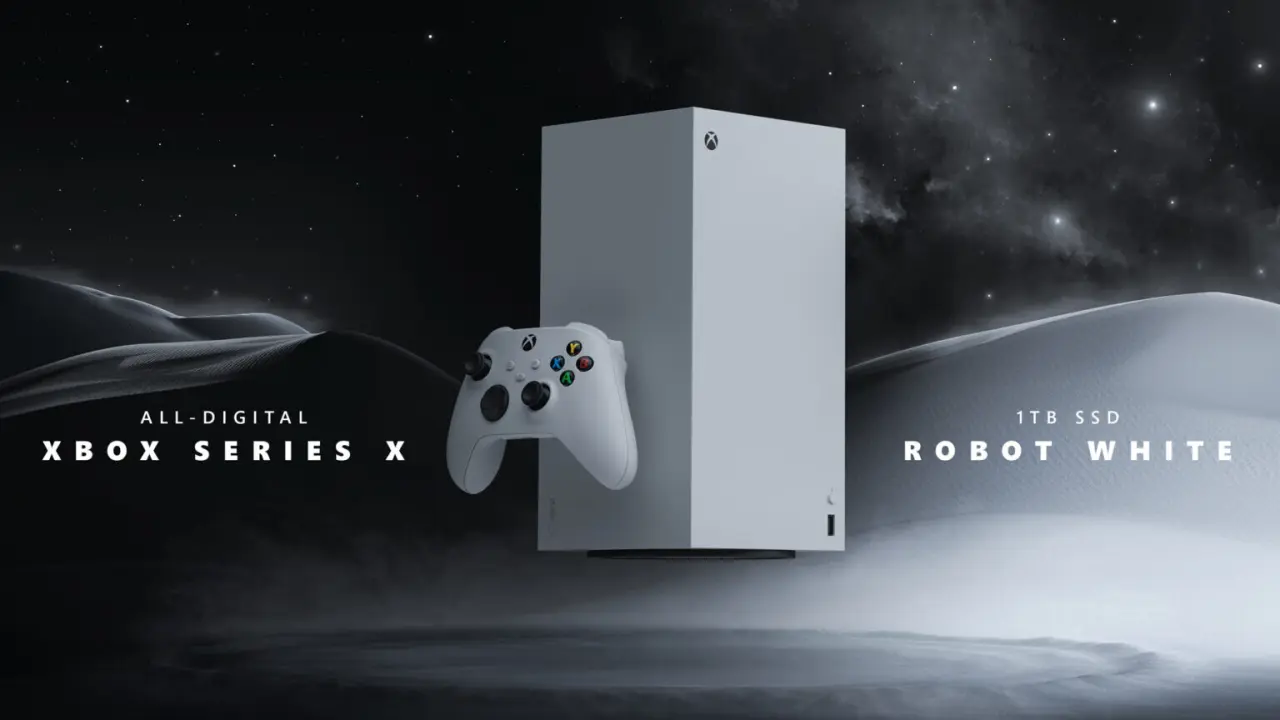
The revised prices have drawn immediate comparisons with the United States, where Microsoft also introduced price increases. However, after accounting for currency conversions, many European and UK consumers argue that they are paying substantially more than their American counterparts. Although European retail prices typically include value-added tax (VAT), while US prices are generally listed before sales tax, many gamers believe the gap extends beyond taxation alone.
The increase reflects a broader shift in the gaming industry, where hardware manufacturers are moving away from the traditional pricing model that saw consoles become cheaper as they aged. Historically, gaming consoles experienced gradual price reductions several years after launch, making them more accessible to a wider audience. The current generation has reversed that trend, with manufacturers instead opting to raise prices amid changing economic conditions.
Industry analysts point to several factors that may have influenced Microsoft’s decision. Rising manufacturing costs, inflation, fluctuating exchange rates, and increased logistics expenses have affected technology companies worldwide. Semiconductor production, transportation costs, and global supply chain disruptions have all contributed to higher operating expenses in recent years.
Currency fluctuations have also played an important role. The strength of the US dollar relative to European currencies and the British pound has affected the profitability of products sold outside the United States. Companies selling globally often review regional pricing to maintain consistent profit margins when exchange rates shift significantly.
The Xbox price hike also arrives at a time when Microsoft continues to expand its gaming ambitions beyond traditional console hardware. The company has invested heavily in Xbox Game Pass, cloud gaming technology, first-party game development, and major studio acquisitions. Rather than relying solely on hardware sales, Microsoft has increasingly focused on building a broader gaming ecosystem that spans consoles, PCs, mobile devices, and cloud platforms.
Even so, consoles remain an important entry point into the Xbox ecosystem. Higher hardware prices may therefore influence purchasing decisions, particularly among first-time buyers and casual gamers. Consumers who were planning to purchase a console later this year may now reconsider their options, wait for promotional offers, or explore the second-hand market.
The revised pricing could also affect Microsoft’s competitive position against rival console manufacturers. Sony and Nintendo continue to compete aggressively for market share, and pricing remains one of the most important factors for consumers choosing between gaming platforms. While software exclusives, subscription services, and hardware performance influence purchasing decisions, the upfront cost of the console remains a key consideration.
Gamers have reacted with mixed opinions on social media and online forums. Some users acknowledge that rising production costs make price increases inevitable in today’s economic environment. Others argue that increasing prices several years after a console’s launch sends the wrong message to consumers, especially when many expected discounts instead of higher retail prices.
The changes may also have implications for retailers across Europe and the UK. Stores could respond by introducing more aggressive bundle offers that combine consoles with games, accessories, or subscription services to improve the overall value proposition. Holiday sales events and seasonal promotions may become increasingly important as retailers attempt to offset consumer concerns over higher prices.

For Microsoft, the decision reflects a balancing act between maintaining profitability and preserving demand. The gaming business has evolved significantly over the past decade, with recurring subscription revenue and digital game sales becoming increasingly important. Even if hardware sales slow due to higher prices, the company may continue to prioritize long-term engagement through services such as Xbox Game Pass, digital content purchases, and cloud gaming.
The timing of the increase is also noteworthy, coming as consumers across Europe continue to face broader economic pressures, including higher living costs and inflation. Entertainment spending has become more discretionary for many households, making premium-priced gaming hardware a more carefully considered purchase.
Despite the price hikes, Microsoft’s Xbox consoles remain central to its long-term gaming strategy. The company continues to release first-party titles, expand cross-platform experiences, and strengthen its subscription offerings, all of which are intended to keep players engaged regardless of where they choose to play.
Whether the higher prices will significantly affect sales remains to be seen. Loyal Xbox users may continue investing in the platform, while price-sensitive buyers could postpone purchases or look for discounted deals. What is clear, however, is that the latest pricing revision marks another departure from long-standing console market trends, reinforcing the industry’s shift toward higher hardware costs even years after launch.
As competition intensifies and gaming companies continue to navigate economic uncertainty, pricing strategies are likely to remain a key focus for both manufacturers and consumers. Microsoft’s latest move underscores the changing economics of the gaming industry, where maintaining profitability increasingly outweighs the traditional expectation that aging consoles should become more affordable over time.