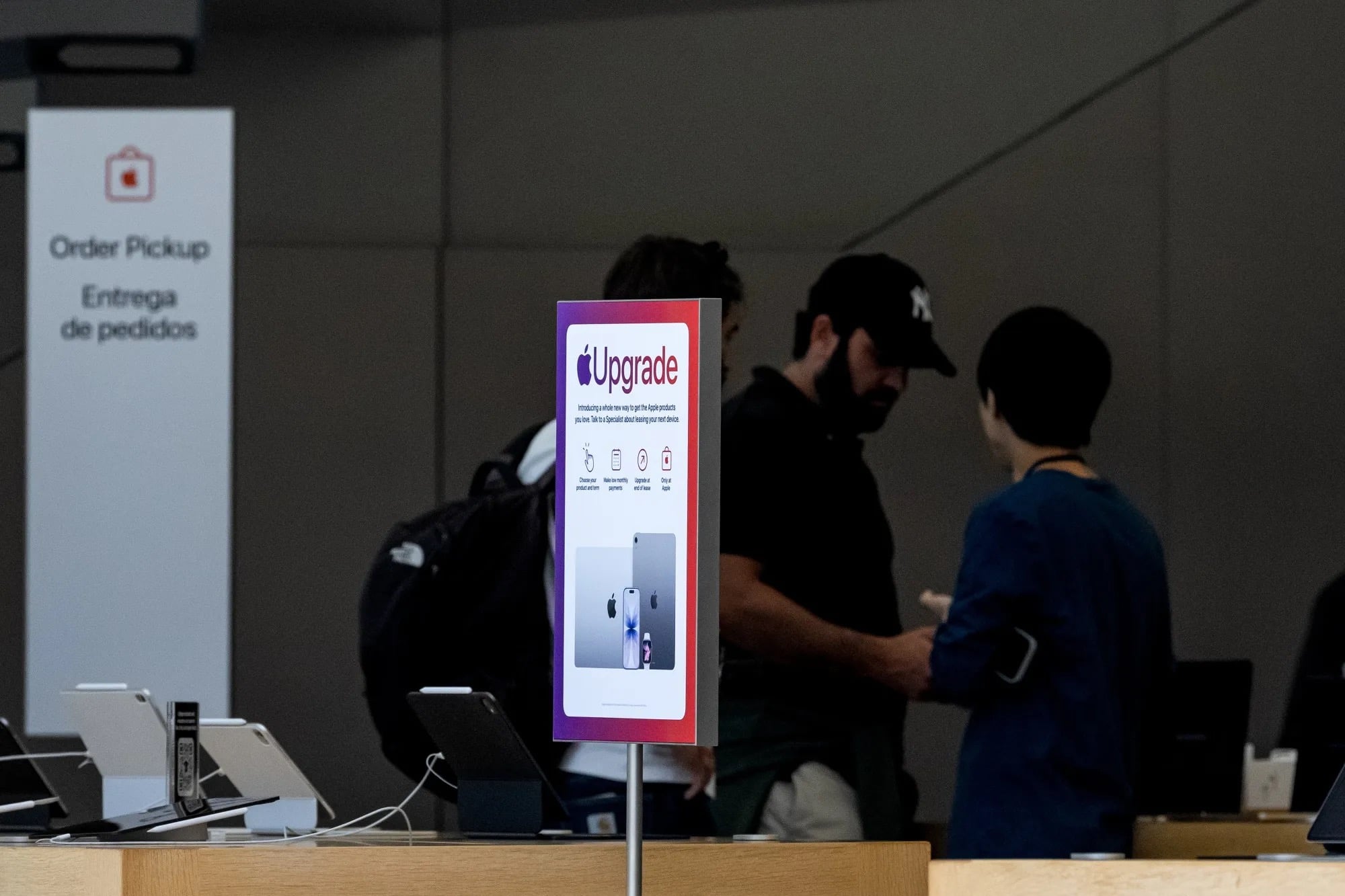
Apple is undergoing a significant transformation, steadily evolving from a company known primarily for premium hardware into one of the world’s largest subscription providers. While products like the iPhone, Mac, and Apple Watch continue to define its brand, the company’s growing portfolio of subscription-based services has become a major driver of revenue and customer loyalty. At the same time, Apple is reportedly grappling with shortages of its popular MacBook Air lineup, highlighting the continued importance of hardware even as the company pivots toward recurring digital services.
Over the past decade, Apple has invested heavily in expanding its ecosystem beyond devices. The company now offers a wide range of subscription services, including Apple Music, Apple TV+, Apple Arcade, Apple Fitness+, Apple News+, iCloud+, AppleCare, and Apple One, which bundles several services into a single monthly plan. These offerings have steadily increased Apple’s recurring revenue, allowing the company to reduce its dependence on the cyclical nature of hardware sales.
The subscription strategy represents a major shift in Apple’s business model. Traditionally, the company generated most of its revenue through the sale of premium devices, with customers upgrading their products every few years. Today, Apple aims to maintain an ongoing relationship with users by encouraging them to subscribe to multiple services that integrate seamlessly across its ecosystem.
Every Apple device has effectively become a gateway to a growing portfolio of digital subscriptions. Customers purchasing a new iPhone or Mac are often introduced to free trial offers for Apple Music, Apple TV+, Apple Arcade, or iCloud+, increasing the likelihood that they will eventually become paying subscribers. Once users begin relying on these services for entertainment, storage, productivity, or fitness, they are more likely to remain within Apple’s ecosystem.
This strategy has positioned Apple as one of the largest subscription businesses in the technology industry. Rather than relying solely on product launches to drive financial performance, the company now benefits from predictable monthly recurring revenue generated by millions of subscribers worldwide. Investors generally view recurring subscription income as more stable than hardware sales because it is less affected by seasonal buying patterns or economic uncertainty.
Apple’s services business has also become increasingly profitable. Unlike hardware manufacturing, digital services generally require lower production costs once the infrastructure is established, allowing for higher profit margins. As more customers subscribe to multiple Apple services, the company can increase the average revenue generated from each user over time.
Artificial intelligence is expected to further strengthen Apple’s subscription-focused strategy. As Apple continues introducing AI-powered features across its devices, industry analysts believe that some advanced capabilities could eventually be offered as premium subscription services. Such an approach would allow Apple to monetize its AI investments while providing customers with ongoing software enhancements rather than one-time upgrades.
The company’s emphasis on subscriptions comes as reports suggest that the MacBook Air is experiencing significant supply shortages in several markets. Retailers have reportedly seen inventory decline for multiple configurations, resulting in longer delivery estimates and limited availability for customers seeking Apple’s most popular laptop.
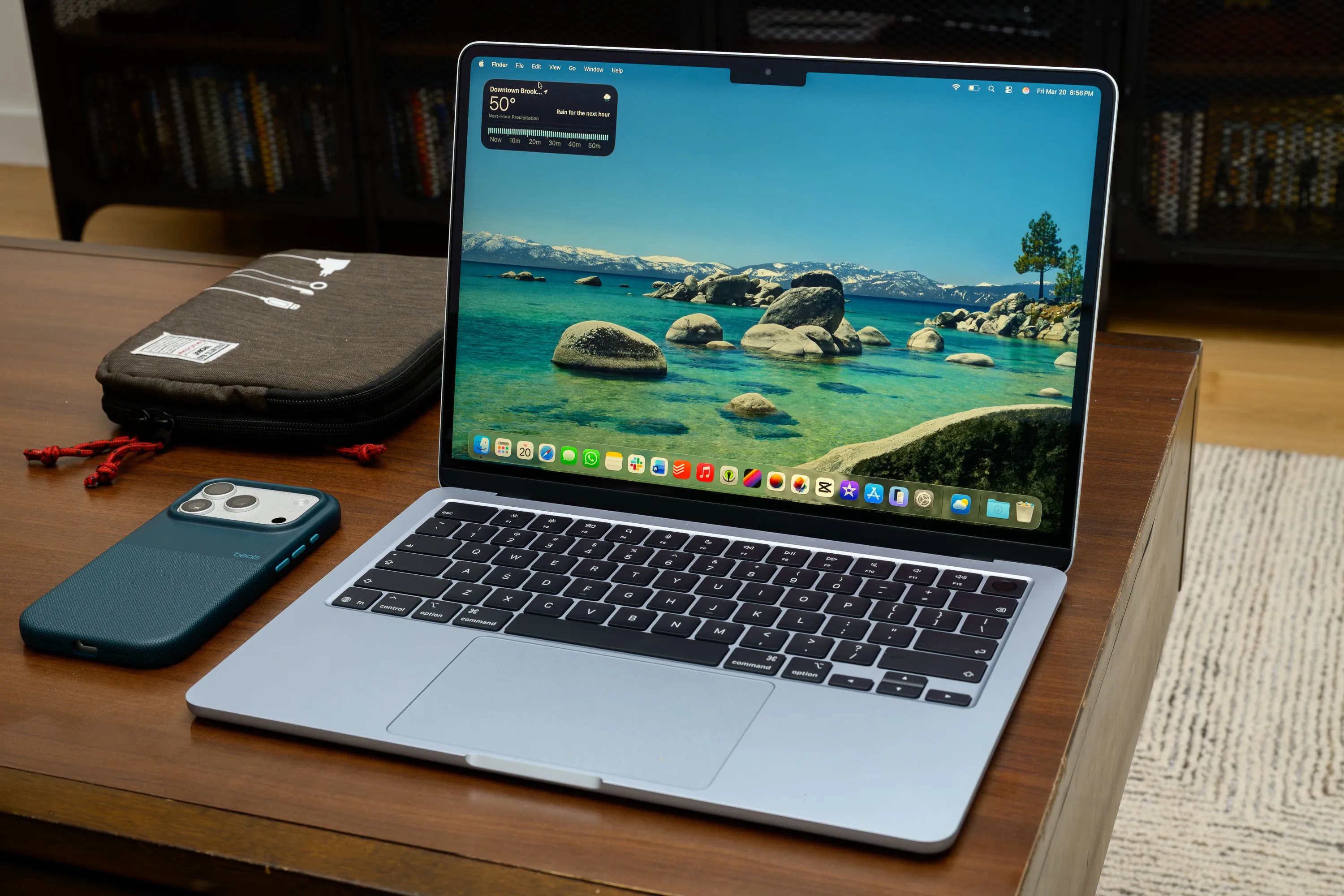
The shortages are believed to affect various versions of the MacBook Air, particularly models featuring Apple’s latest custom-designed processors. Although Apple has not officially explained the supply constraints, analysts believe the shortages may be driven by stronger-than-expected demand, production bottlenecks, or ongoing supply chain adjustments.
The MacBook Air has become one of Apple’s best-selling computers thanks to its lightweight design, extended battery life, silent operation, and impressive performance powered by Apple Silicon chips. Since Apple transitioned away from Intel processors in favor of its own chip architecture, the Mac lineup has experienced renewed popularity among students, professionals, software developers, and creative users.
Demand for the MacBook Air has also been fueled by the growing importance of artificial intelligence and on-device computing. Consumers increasingly want laptops capable of handling AI-assisted productivity tools, advanced photo editing, video processing, and machine learning features without sacrificing battery life or portability. Apple’s latest processors are designed to deliver these capabilities while maintaining the efficiency for which the MacBook Air is known.
The reported shortages could have short-term implications for Apple’s hardware business. Limited inventory may delay purchases, particularly during important shopping periods when demand is traditionally higher. Customers unable to find their preferred MacBook Air configuration may either postpone their purchase, opt for a higher-end MacBook Pro model, or consider competing products from other manufacturers.
Retail partners may also experience increased pressure to manage inventory and customer expectations as delivery times extend. Some buyers could face waiting periods before specific configurations become available again, particularly models with upgraded storage or memory options.
Despite these supply challenges, Apple’s overall business remains well-positioned due to the strength of its services segment. Even if hardware shipments fluctuate from quarter to quarter, recurring subscription revenue provides a reliable financial foundation that helps offset temporary declines in product sales.
The combination of premium hardware and integrated digital services has become one of Apple’s greatest competitive advantages. Unlike many technology companies that specialize in either hardware or software, Apple controls both, enabling it to create an ecosystem where devices and services reinforce each other. Every new hardware customer represents a potential long-term subscriber, while existing subscribers have greater incentive to continue purchasing Apple devices.
The company’s long-term vision appears increasingly centered on maximizing customer lifetime value rather than simply maximizing unit sales. Instead of focusing only on selling a new device every few years, Apple seeks to generate consistent monthly revenue throughout the life of each product through subscriptions, cloud storage, streaming content, warranties, and other digital services.
As competition intensifies across smartphones, personal computers, streaming, and artificial intelligence, Apple’s subscription strategy provides a significant competitive advantage. Stable recurring revenue allows the company to invest more aggressively in research, software development, and new technologies while reducing reliance on hardware replacement cycles.
Meanwhile, resolving the MacBook Air supply shortages will remain an important priority. Strong consumer demand demonstrates the continued appeal of Apple’s hardware, but maintaining adequate inventory is essential to converting interest into sales. As Apple balances growing demand for premium devices with its expanding portfolio of subscription services, the company is redefining what it means to be a consumer technology leader in an increasingly digital and service-oriented economy.