A few years ago, a good product photo could carry a campaign surprisingly far.
It went on the product page, appeared in an email, got cropped for Instagram, and perhaps found its way into a display ad. Video was usually a separate production job, with a separate brief, budget, and timeline.
That distinction is getting harder to maintain.
In 2026, the same product photograph can serve as the starting point for dozens of visual assets. It can be cleaned up for a storefront, placed into a different setting for an ad, reformatted for social media, and turned into a short piece of motion content without another shoot.
For marketing teams, that changes the value of the original photograph. It is no longer simply a finished asset. It is source material.
Product Photography Has Become More Flexible
Traditional product photography comes with a basic limitation: once the shoot is over, much of the creative direction is locked in.
If the background does not suit a later campaign, someone has to edit it. If the composition works for a website but not a vertical social post, the designer needs another version. If a seasonal campaign arrives six weeks later, the original photograph may suddenly look out of place.
AI-assisted editing has made these changes considerably less disruptive.
A marketer working with an existing product image can now remove distracting objects, replace a backdrop, expand the canvas, adjust visual details or create variations without arranging another shoot.
That does not eliminate photography. If anything, it makes a strong original photograph more useful.
A well-lit, accurate product image gives the team something reliable to build from.
An AI image editor can then help adapt that source image for different campaign requirements while preserving the product itself. The distinction matters, particularly in ecommerce, where an attractive image is useless if the product no longer looks like the thing a customer will actually receive.
The better question is no longer, “Can AI create this image?”
It is, “Which parts of this image should stay fixed, and which parts can change?”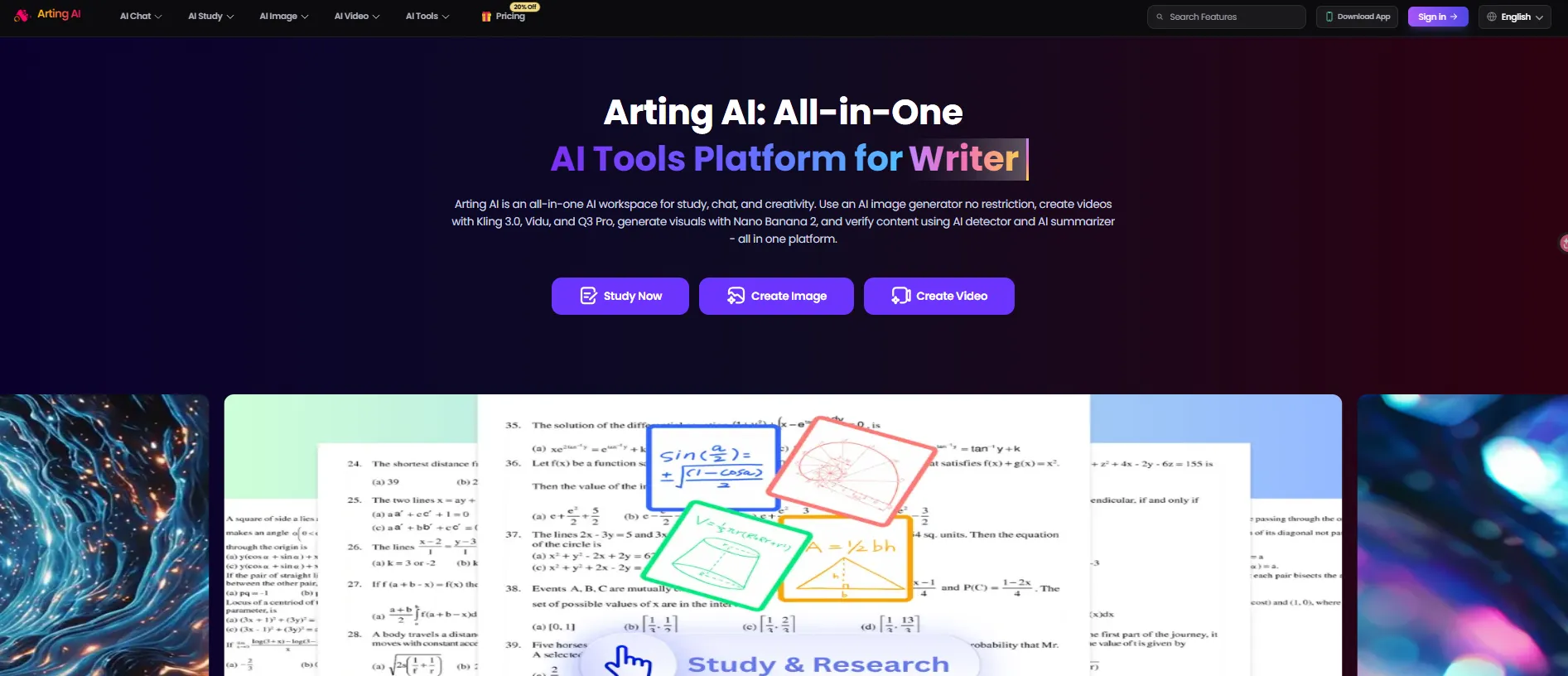
Social Media Changed What a Product Image Needs to Do
A product page is a relatively controlled environment.
The customer is already looking at the item. The image can be clean, detailed and static because the surrounding page provides the context.
Social feeds are different.
A product has to compete with faces, memes, news, short videos, creator content and everything else moving through the same screen. The job of the visual is not simply to show the product clearly. It also needs to earn a moment of attention.
That has pushed brands toward more varied creative.
The same pair of headphones might appear against a clean white background on an ecommerce page, on a desk in a lifestyle ad, inside a vertical Story, and then in a five-second video where the camera slowly moves toward the product.
Producing all of those versions manually is possible. It is also exactly the type of repetitive creative work that becomes expensive at scale.
AI makes the asset more adaptable without forcing every variation to begin from zero.
Motion Is Becoming a Version of the Image, Not a Separate Campaign
This may be the more significant shift.
Video used to begin with video footage.
Now, for many short-form marketing assets, it can begin with a photograph.
A strong still image already contains several things a video team would otherwise need to decide: the product, the scene, the lighting, the visual style and the basic framing.
The remaining question is what should happen next.
Should the camera move closer? Should the background have subtle motion? Should the product stay fixed while the environment changes? Should the clip feel polished and commercial, or more like native social content?
An image to video AI tool can use the still image as that starting point, adding motion without requiring the brand to recreate the scene physically.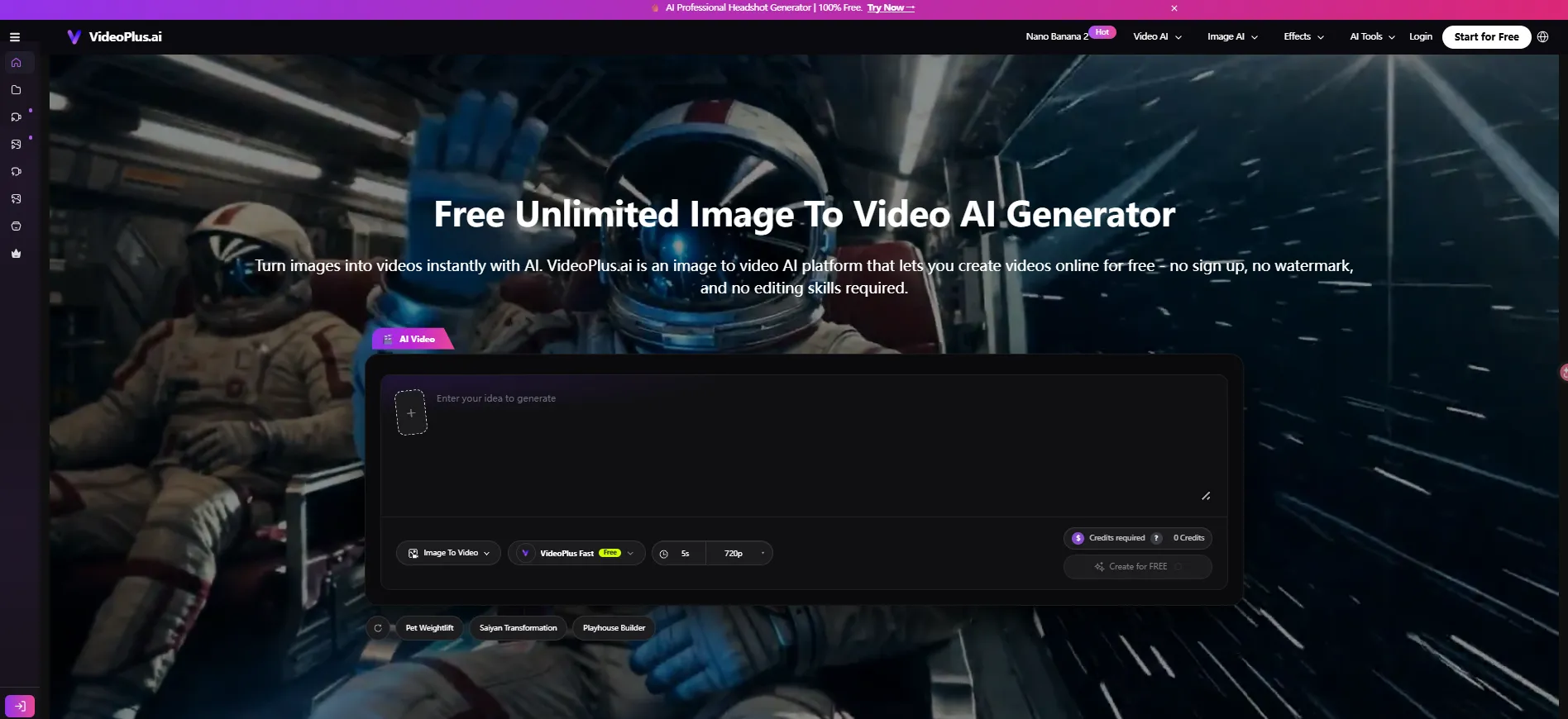
This is especially useful for short clips where the goal is not to tell a complicated story.
A five-second product reveal, a slow zoom, a looping background or a simple vertical promotional clip may be enough for a social ad. Those jobs rarely justify a full production crew, but static imagery can feel flat in a feed dominated by motion.
The gap between those two options is where image-to-video generation becomes useful.
Not Every Product Needs to Start Moving
There is an obvious temptation once motion becomes easy to generate: animate everything.
That is usually a mistake.
Some products benefit from movement because motion reveals something important. Fashion can show fabric movement. A travel image can gain atmosphere from water, clouds or camera motion. A beauty product can work well with controlled lighting changes or a slow commercial-style push-in.
Other products simply need to be shown clearly.
If a static image already communicates the message in half a second, turning it into six seconds of unnecessary camera movement does not automatically improve the ad.
Marketing teams still have to decide what motion contributes.
The strongest use of AI video is often restrained. Movement should direct attention toward the product, demonstrate a feature, establish mood or help the asset fit the conventions of the platform.
It should not exist merely because the software can generate it.
The Economics Matter More Than the Novelty
Much of the conversation around generative media still focuses on what the technology can produce.
For businesses, the more interesting question is what it changes economically.
Consider a small ecommerce brand preparing a month of social content.
It may have five products and a limited collection of professional photographs. Traditionally, increasing the number of campaign concepts could mean more photography, more editing hours or more stock assets.
With AI-assisted production, the brand can test more variations using material it already owns.
One product photo might support:
- A cleaner marketplace image
- A lifestyle variation for Instagram
- A vertical version for Stories
- A promotional image with room for copy
- A short animated product reveal
- A seasonal version for an upcoming sale
The benefit is not that each asset becomes free. Someone still needs to make choices, review outputs, fix mistakes and manage the campaign.
The benefit is that the cost of trying another creative direction becomes lower.
And that matters because digital advertising is increasingly a volume game. One beautiful creative is useful. Ten credible variations give a marketing team something to test.
More Creative Does Not Mean More Random Creative
There is a downside to cheap variation.
When producing another version takes minutes instead of hours, teams can easily fill folders with assets that have no clear reason to exist.
That is not scale. It is clutter.
A useful approach is to tie each variation to a question.
Does a lifestyle background outperform a studio background?
Does a vertical animated product shot hold attention better than the still version?
Does showing the product in use generate more clicks than an isolated packshot?
Does subtle motion perform better than a heavily animated scene?
Now the variations are doing useful work. They are giving the team information.
AI lowers the cost of creating those tests, but it does not decide which questions are worth asking.
Brand Consistency Becomes the Harder Problem
As production gets faster, consistency becomes more difficult.
A marketing team can generate thirty images quickly, but those thirty images still need to look as though they came from the same company.
Product colour cannot change from one ad to another. Packaging details cannot disappear. A logo cannot suddenly acquire an extra letter. The visual style should not swing wildly between glossy studio photography and cartoon-like imagery unless that change is intentional.
Video adds another layer of risk.
Objects can distort once they begin moving. Text can shift between frames. Product proportions can change. Motion can introduce details that were not present in the original image.
That means human review becomes more important as output increases, not less.
The faster the tools become, the more valuable a clear creative standard becomes.
Teams need reference images, approved colour treatments, rules for product accuracy and a simple process for rejecting outputs that look impressive but are commercially unusable.
The Best Source Asset Still Wins
It is easy to talk about AI as though the original creative no longer matters.
In practice, the opposite is often true.
A weak product photo gives the system less to work with. Poor lighting, hidden product details or an awkward angle can create problems that become more obvious when the image is edited or animated.
A strong source photograph, however, can travel much further than it once did.
It can become the foundation for multiple campaigns, formats and channels. The team can change the environment around it, adapt its composition and add motion while keeping the core product recognisable.
That gives brands a different way to think about visual production.
Instead of asking how many finished assets a photoshoot will deliver, they can ask how much reusable visual material it creates.
That is a subtle change, but an important one.
The product photo has not disappeared.
It has become the first frame.